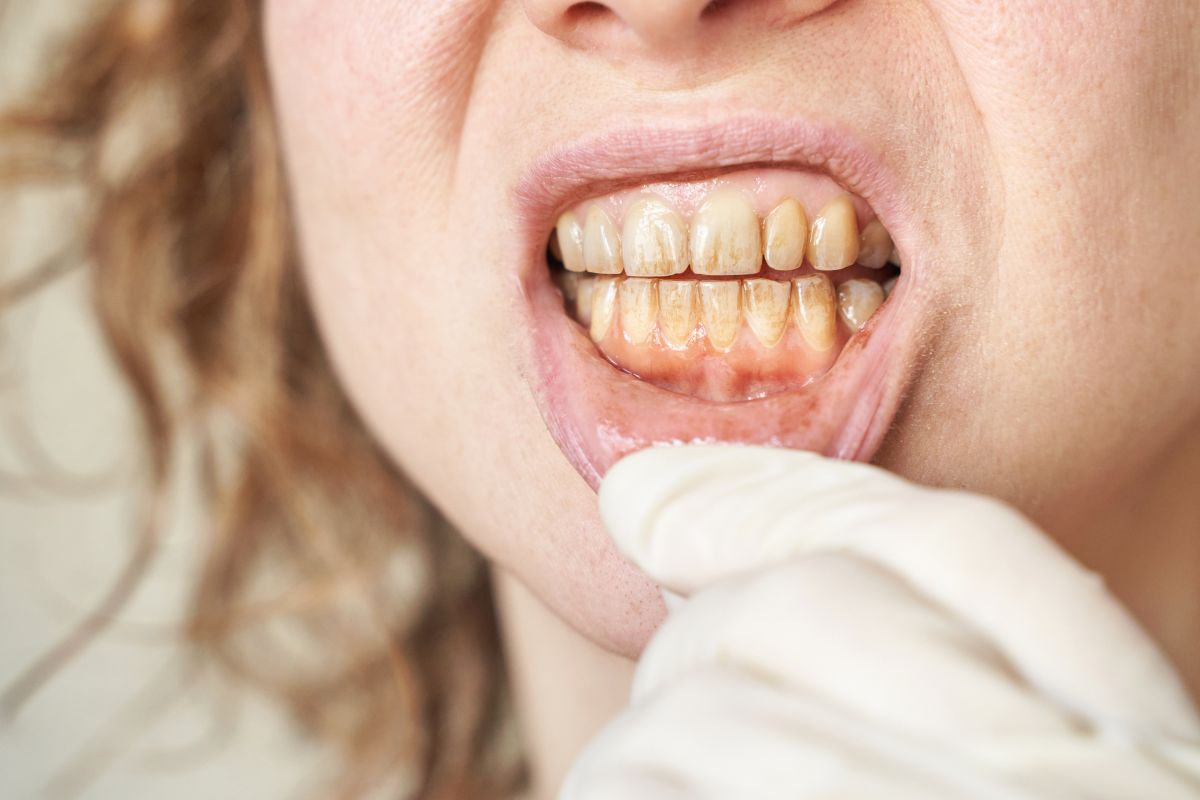



For many people in Syosset, NY, the day starts with a fresh cup of coffee and often ends with a relaxing glass of red wine. While these favorite beverages are part of everyday life, they also happen to be two of the biggest culprits behind stained teeth. If you’ve noticed that your smile isn’t as bright as it used to be, you’re certainly not alone.
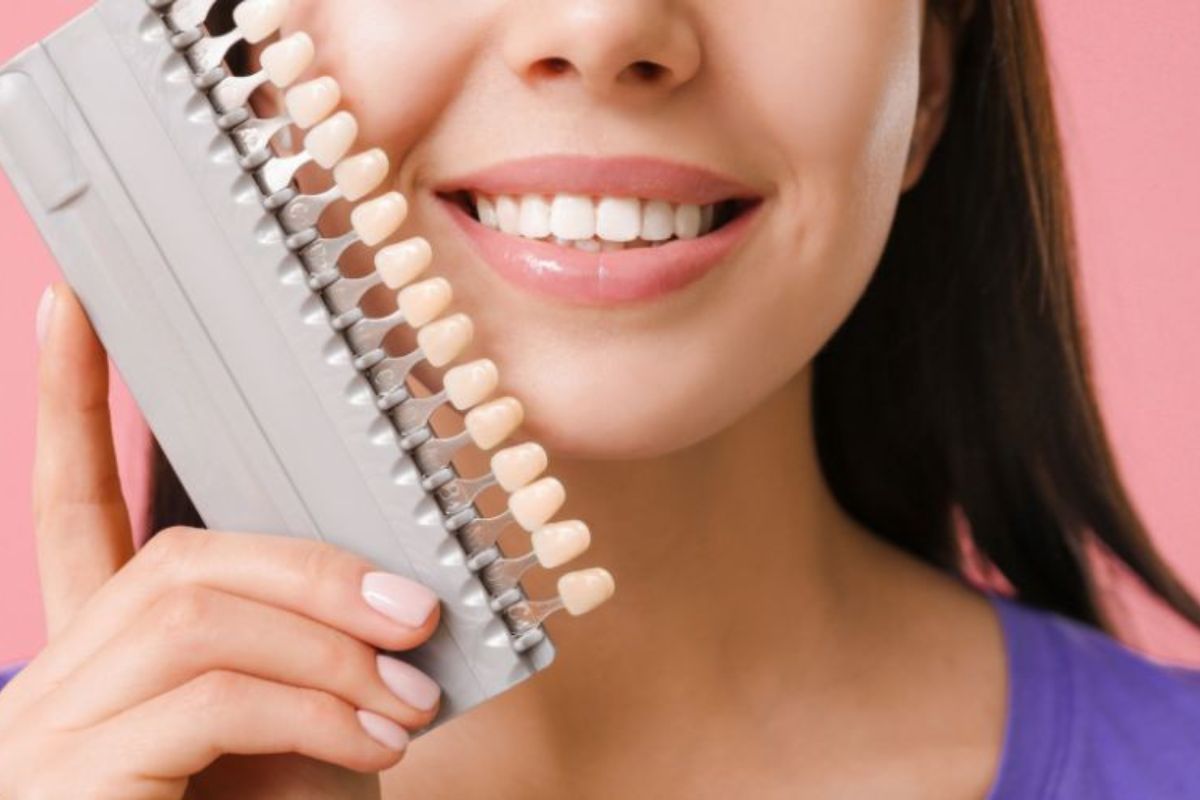
Professional teeth whitening has become one of the most popular cosmetic dental treatments because it’s a simple and effective way to restore confidence. At Syosset Dental, we frequently help patients who want a brighter smile without damaging their enamel or relying on ineffective over-the-counter products.
Whether you’re preparing for a wedding, a job interview, a graduation, or simply want to feel more confident during everyday conversations, understanding how stains develop—and how to remove them safely—can help you make informed decisions about your oral health.
Why Do Teeth Become Stained?
Even with excellent oral hygiene, teeth naturally become discolored over time. The outer layer of your teeth, called enamel, contains microscopic pores that can absorb pigments from foods and drinks.
Some of the most common stain-causing foods and beverages include:
| Food or Drink | How It Affects Your Teeth |
|---|---|
| Coffee | Dark pigments gradually stain enamel. |
| Red Wine | Tannins and acids contribute to discoloration. |
| Tea | Black tea can stain even more than coffee. |
| Soda | Acid weakens enamel, making stains more noticeable. |
| Tomato Sauce | Deep-colored sauces may leave surface stains. |
| Berries | Rich natural pigments can discolor enamel over time. |
If you regularly enjoy these foods, it doesn’t mean you have to give them up. Instead, understanding how to protect your smile is the key.
Everyday Habits That Help Prevent Stains
If you’re looking to maintain a brighter smile, a few simple habits can make a significant difference.
- Brush twice daily using fluoride toothpaste.
- Floss every day to remove plaque between teeth.
- Drink water after coffee, tea, or wine.
- Use a straw when drinking iced beverages that may stain teeth.
- Schedule professional dental cleanings every six months.
- Avoid smoking and tobacco products, which are major causes of discoloration.
These preventive steps can help reduce surface stains while supporting your overall oral health.
Is Professional Teeth Whitening Worth It?
Many patients ask whether professional teeth whitening is truly better than store-bought whitening strips or toothpaste.
While whitening toothpaste can help remove minor surface stains, it typically cannot change the natural color of your teeth. Professional whitening treatments use carefully formulated whitening agents under the supervision of a dental professional, helping achieve more noticeable and predictable results while minimizing sensitivity.
Here’s a comparison:
| Professional Teeth Whitening | Store-Bought Whitening Products |
| Customized treatment | One-size-fits-all approach |
| Faster visible results | Gradual improvement |
| Supervised by a dental professional | Self-administered |
| Designed to minimize sensitivity | May cause uneven whitening |
| More effective for stubborn stains | Better suited for mild stains |
Before beginning any whitening treatment, it’s important to have a dental examination to determine whether stains are external or related to an underlying dental condition.
Can Teeth Whitening Damage Your Teeth?
One of the biggest myths surrounding teeth whitening is that it permanently damages enamel.
When performed appropriately and under professional guidance, whitening treatments are generally considered safe for healthy teeth. However, excessive use of unapproved whitening products or home remedies such as baking soda scrubs or acidic mixtures may increase tooth sensitivity or contribute to enamel wear.
That’s why many residents throughout Syosset and the surrounding Long Island communities choose to consult a dental professional before starting any whitening treatment.
Local Tips for Syosset Residents
Life in Syosset often revolves around busy mornings, community gatherings, sporting events, and dining at local restaurants. It’s understandable that coffee, tea, and wine are part of many daily routines.
If you enjoy these beverages, consider drinking water afterward and scheduling regular professional cleanings. These simple habits can help reduce staining and keep your smile looking its best throughout the year.
Whether you’re attending a family celebration, a business meeting, or spending time with friends around Nassau County, a brighter smile can leave a lasting impression.
Meet Dr. Emmanuil Diamantakis
At Syosset Dental, patients receive compassionate, patient-focused care from Dr. Emmanuil Diamantakis, who is committed to helping individuals achieve healthy, confident smiles through modern dental techniques and personalized treatment planning. Dr. Diamantakis believes that educating patients about their oral health is an important part of delivering exceptional dental care. By taking the time to understand each patient’s goals, he helps create treatment plans that prioritize both oral health and aesthetics.
If you’re ready to enhance your smile safely and effectively, contact Syosset Dental today at +1 516-329-9051 to schedule a consultation and learn more about your whitening options.
Trusted Oral Health Resources
For reliable, evidence-based information about oral health and preventive dental care, consider these respected U.S. organizations:
- Centers for Disease Control and Prevention (CDC) – Division of Oral Health
- National Institute of Dental and Craniofacial Research (NIDCR), part of the National Institutes of Health (NIH)
- American Dental Association (ADA)
- U.S. Department of Health and Human Services (HHS)
These organizations provide educational resources on oral hygiene, preventive care, gum disease, and maintaining lifelong dental health.
Frequently Asked Questions
1. How long do professional teeth whitening results last?
Results vary depending on your diet and oral hygiene habits. Many patients enjoy a brighter smile for several months to a few years with proper maintenance and regular dental cleanings.
2. Can coffee and wine stain teeth again after whitening?
Yes. Coffee, tea, red wine, and other deeply pigmented foods can gradually cause new stains over time. Drinking water afterward and maintaining good oral hygiene can help preserve your results.
3. Is professional teeth whitening safe for sensitive teeth?
Many patients with mild tooth sensitivity can still benefit from professional whitening. Your dentist can recommend an approach that minimizes discomfort based on your individual needs.
4. Does whitening work on crowns, veneers, or fillings?
No. Whitening treatments generally affect natural tooth enamel and do not change the color of crowns, veneers, or tooth-colored fillings. Your dentist can discuss cosmetic options if restorations no longer match your natural teeth.
5. When should I consider professional teeth whitening?
If you’ve noticed discoloration from coffee, tea, wine, aging, or certain foods and want a brighter smile, scheduling a consultation is the best first step. A dental examination can determine the cause of staining and whether professional teeth whitening is the most appropriate treatment for you.
Why Choose Us?
At Syosset Dental, we understand that every smile is unique. Our team combines advanced dental technology with personalized care to help patients achieve healthier, brighter smiles in a comfortable environment. Whether you’re interested in professional teeth whitening or maintaining excellent oral health through preventive care, we’re here to help you choose the treatment that’s right for you.
If you’re ready to enhance your smile safely and effectively, contact Syosset Dental today at +1 516-329-9051 to schedule a consultation and learn more about your whitening options.