We hope you and your family are doing well. We are very pleased to announce the addition of a new associate dentist who has joined our practice.
It is our pleasure to introduce Dr. Anukriti Gupta, DMD, PhD. Dr. Gupta is a 2016 graduate of the University of Pennsylvania School of Dental Medicine, where she earned honors in Pediatric Dentistry, Orthodontics, and Periodontics. She brings nearly 10 years of experience in private practice and a strong commitment to clinical excellence.
Dr. Kobak, Dr. Diamantakis and Dr. Raxenberg have served for many years as volunteer teaching attendings in the Northwell Hospital Dental Department, where they have worked closely with Dr. Gupta, who has also been a member of the hospital dental staff. She is highly regarded by her colleagues, and it quickly became clear that her professional standards, ethics, and personal values align closely with our own.
Dr. Gupta is known for her warm, friendly, and compassionate approach to patient care. She is passionate about building meaningful connections with her patients, understanding their individual needs, and helping them achieve healthy, confident smiles. We are confident she will be a wonderful addition to our practice and to our dental family.
Dr. Gupta lives nearby in Jericho with her husband Raj and is the proud mother to her four year old son Sohum.
We are truly excited to welcome Dr. Gupta to our team and look forward to introducing you to her soon. As always, if you have any questions or concerns, please do not hesitate to reach out to us at any time.
Warm regards,
Richard J. Kobak, DDS, FAGD
Emmanuil Diamantakis, DDS
Francine Raxenberg, DDS, FAGD
The Importance of Root Canal Treatment for Long-Term Dental Health
Posted bySyosset Dental
When a tooth is damaged by deep decay, trauma, or infection, it can affect more than just your smile; it can impact your overall oral health and daily comfort. Fortunately, root canal treatment is a highly effective procedure that relieves pain, eliminates infection, and preserves your natural tooth. Saving your natural tooth not only protects your smile but also helps maintain proper bite alignment and jaw health.
In this blog, we’ll dive into how root treatment works and why it’s essential for your overall health.
Why Is Root Canal Therapy Necessary?
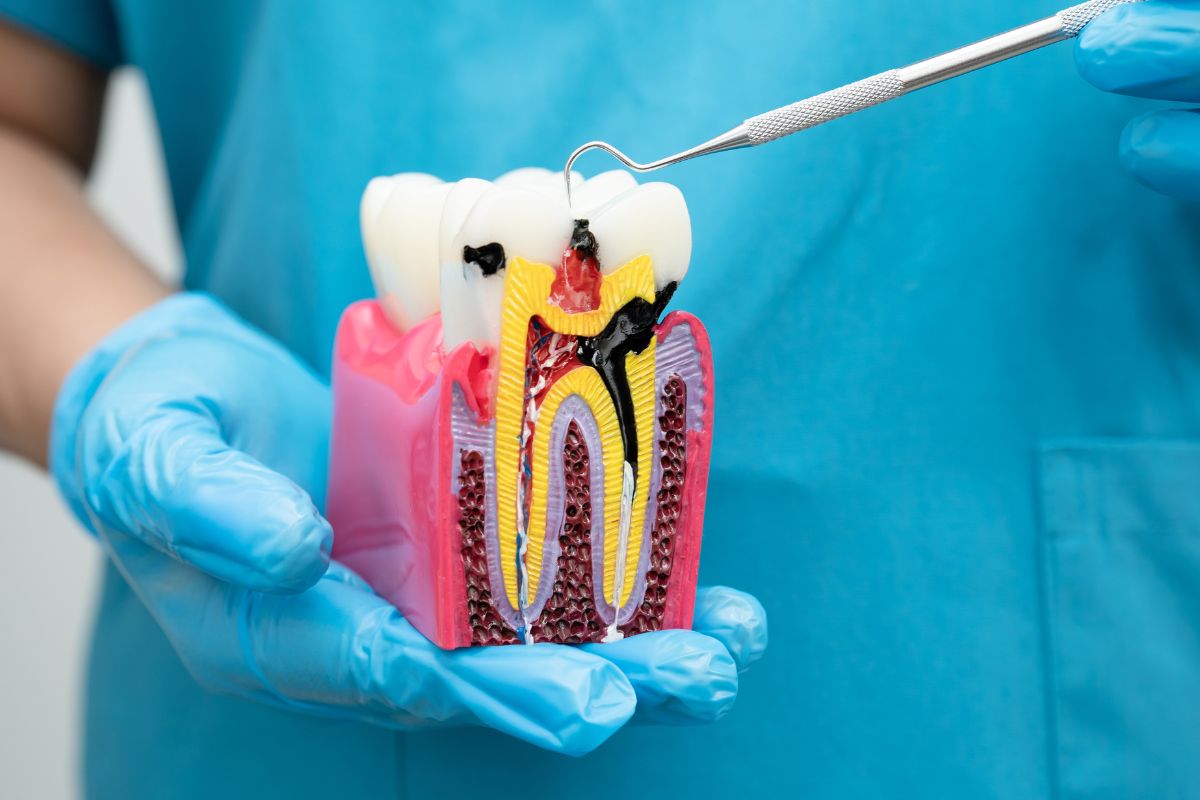
Root canal therapy becomes necessary when the pulp, the soft tissue inside your tooth, becomes infected or inflamed. This often happens due to:
Deep cavities
Cracked or fractured teeth
Trauma to the tooth
Repeated dental procedures on the same tooth
If left untreated, infection can spread beyond the tooth, leading to abscess formation, bone damage, and even tooth loss.
During a root canal procedure, the infected pulp is removed, the inside of the tooth is carefully cleaned and disinfected, and the canals are sealed to prevent further infection. This process eliminates bacteria while preserving the outer structure of your natural tooth.
What Happens During Root Canal Treatment?
Root canal treatment is typically completed in one or two visits, depending on the complexity of the case.
1. Diagnosis and Preparation
Your dentist will examine the affected tooth and take digital X-rays to assess the extent of the infection. Local anesthesia is used to ensure your comfort throughout the procedure.
2. Cleaning and Disinfection
A small opening is created in the tooth to access the infected pulp. The damaged tissue is removed, and the canals are thoroughly cleaned, shaped, and disinfected to eliminate bacteria.
3. Sealing and Restoration
After cleaning, the canals are filled with a biocompatible material to seal the space. In most cases, especially for molars, a custom dental crown is placed to restore strength, function, and appearance.
Benefits of Root Canal Therapy
If you are considering root canal therapy, first learn about the benefits. This treatment offers several pros that make it an essential procedure for those with damaged or infected teeth:
Saves the Tooth: Instead of removing the damaged tooth, root therapy lets you keep it, preserving your natural smile.
Prevents Further Infection: Cleaning and sealing the tooth eliminates the source of infection, preventing bacteria from spreading.
Reduces Pain: The procedure eliminates the pain caused by infection, offering long-term relief.
Restores Function: After the procedure, the tooth functions normally, allowing you to eat, speak, and smile without discomfort.
Why Timely Treatment Matters
Delaying root canal treatment can allow an infection to worsen and spread beyond the affected tooth. As bacteria continue to grow, the condition may lead to a painful dental abscess, damage to the surrounding jawbone, and increased swelling or discomfort. In severe cases, postponing care can result in the need for tooth extraction. Seeking prompt treatment not only relieves pain but also helps prevent serious complications and protects your overall oral health.
Signs You May Need a Root Canal
You may require root canal therapy if you experience:
Persistent tooth pain
Sensitivity to hot or cold that lingers
Swelling or tenderness in the gums
Darkening of the tooth
Pain when chewing
If you notice any of these symptoms, scheduling a dental evaluation promptly can prevent further complications.
Aftercare and Recovery
Recovery is typically quick. Most patients return to normal activities within one to two days. Mild sensitivity may occur, but is usually manageable with over-the-counter pain relievers. Maintaining good oral hygiene and attending regular check-ups will help ensure long-term success.
Get Relief from Tooth Pain with Us
If you’re experiencing tooth pain or suspect an infection, don’t wait for it to worsen. The experienced team at Syosset Dental is committed to helping patients in Syosset preserve their natural teeth with comfortable, effective root canal therapy.
Contact our office today for your consultation and take the first step toward a healthier, pain-free smile.
FAQs About Root Canal Therapy
How long does a root canal procedure take? A root canal usually takes about 1 to 2 hours to complete. The exact time depends on the severity of the infection and the tooth being treated. In some cases, a follow-up visit may be necessary to fully restore the tooth.
Is a root canal painful? Thanks to modern anesthesia techniques, most patients feel little to no pain during the procedure. Afterward, you may experience mild soreness or sensitivity, which typically subsides within a few days and can be managed with over-the-counter pain relief.
How long does it take to recover from a root canal? Recovery is generally quick. Most people return to work or normal activities within 1 to 2 days. Any minor discomfort usually fades within a few days.
Can a root canal treatment fail? Although uncommon, a root canal can fail if bacteria remain inside the tooth or if reinfection occurs later. Proper oral hygiene and attending follow-up appointments significantly reduce this risk.
Do I need a crown after a root canal? In many cases, yes. A dental crown strengthens and protects the treated tooth, especially molars and premolars that handle heavy chewing forces. Your dentist will recommend the best restoration based on your specific case.
What symptoms indicate I may need a root canal? Common signs include persistent tooth pain, prolonged sensitivity to hot or cold, swelling around the gums, tenderness when chewing, and sometimes discoloration of the tooth. These symptoms signal that the inner pulp may be infected and requires prompt attention.
How can I avoid needing a root canal in the future? Preventive care is key. Brushing twice daily, flossing regularly, and scheduling routine dental check-ups help detect cavities and infections early. Early treatment can often prevent the need for more advanced procedures, such as a root canal.