



When Was Your Last Oral Cancer Screening?
Oral cancer is more common than you might think. The American Cancer Society estimates that over 35,000 people in the United States will develop oral cancer each year. Out of this number, about 8,000 will succumb to the disease. By knowing the risk factors for oral cancer, you can change your habits and increase your awareness. The most common risk factors include:
- Age
- Tobacco use
- Heavy alcohol use
- Family history
- Excessive UV exposure
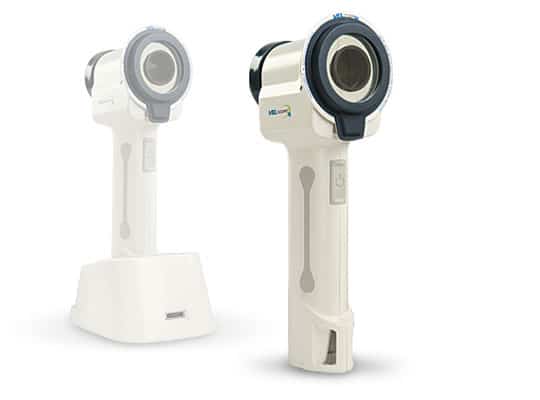
If found and addressed early, oral cancer may not claim your life. The American Cancer Society recommends having your dentist check for oral cancer during every routine preventive dentistry appointment. This is why we offer visual oral cancer screenings, often performed with help of the innovative VELscope system.
Self-Screening at Home
Your dentist will perform a thorough oral cancer screening during every preventive appointment, but you can also perform one at home (and should, at least once a month). Even if it isn’t time for your next checkup, you should call us and schedule a visit immediately if you experience any of the following symptoms:
- Chronic throat pain
- Recurring earaches
- Dramatic weight loss
- A change in how your teeth fit together
- A change in your voice
- Any other unexplained changes to your oral health
Take oral cancer screening seriously
For people who develop oral cancer, early detection is essential to the success of their treatment. Schedule an appointment by calling Syosset Dental today at 516-433-2211. We proudly serve the residents of Syosset, Long Island, Nassau, Suffolk, and all surrounding New York City communities.
Frequently Asked Questions
What is an oral cancer screening and how is it performed?
An oral cancer screening is a quick exam in which a dentist checks your mouth for signs of cancer or precancerous changes. It involves visually examining the lips, tongue, gums, and throat, as well as feeling for lumps or abnormalities. The process is simple, painless, and usually performed during a routine dental visit.
Why is oral cancer screening important?
Oral cancer screening plays a crucial role in detecting abnormalities at an early stage, often before noticeable symptoms develop. Because oral cancer can progress silently, many cases are diagnosed only after the disease has advanced, making treatment more complex. Regular screenings allow dentists to identify suspicious changes in the tissues of the mouth, lips, and throat early on. Early detection increases the chances of successful treatment and may reduce the need for more invasive procedures. In many cases, timely diagnosis can significantly improve long-term health outcomes and may even be life-saving.
What are the early signs of oral cancer to watch for?
Common warning signs include red or white patches, sores that don’t heal, lumps, or difficulty chewing and swallowing. Persistent pain, numbness, or changes in the mouth should not be ignored. Any unusual symptom lasting more than two weeks should be evaluated.
How can I protect myself from oral cancer?
Protecting yourself from oral cancer starts with reducing known risk factors and maintaining good oral health habits. Avoid tobacco in all forms and limit alcohol consumption, as both significantly increase the risk. Practice proper oral hygiene, eat a balanced diet rich in fruits and vegetables, and use lip protection when exposed to the sun. Regular dental checkups and oral cancer screenings also play a key role in early detection and prevention.
Can oral cancer be cured if detected early?
Yes, oral cancer has a much higher success rate when detected early. Early-stage cancers are often easier to treat and may require less aggressive procedures. Timely diagnosis can significantly improve survival rates and overall treatment outcomes.