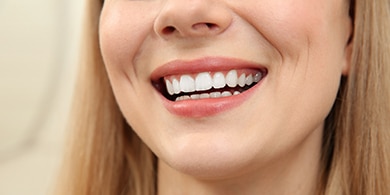



Crowns to Partially or Fully Cover Teeth

Dental porcelain is a material used for partial and full dental crowns, as well as custom veneers and a number of other modern restorative dental options. These dental restorations are not only designed to restore your teeth, but to do so in a manner that produces highly lifelike, minimally invasive, and cosmetically appealing results.
Are Tooth-Colored Crowns the Best Option?
Your front teeth show when you smile, so to correct dental damage, tooth-colored crowns are often ideal. Others will barely notice that you have a dental crown at all. However, since back teeth must endure more force than front teeth, porcelain may not be the best restoration material for a molar. To maintain your smile’s natural appearance while still providing the higher durability that your molar’s crown needs, we may suggest a stronger, more durable, and equally lifelike zirconia dental crown.
What Are Partial Dental Crowns?
Partial dental crowns, often called onlays, are porcelain crowns designed to fit over only a portion of your tooth, instead of its entire structure. By custom-designing a partial dental crown instead of a full one, we can provide a conservative restoration for teeth that may not require the complete restoration a full dental crown provides.
Find out which crown fits your tooth best
Today’s dental crowns come in all shapes and sizes to help ensure you receive the optimal, conservative treatment you need no matter your tooth’s concern. To learn more, schedule an appointment by calling Syosset Dental today at 516-433-2211. We proudly serve the residents of Syosset, Long Island, Nassau, Suffolk, and all surrounding New York City communities.
Frequently Asked Questions
What is the difference between partial crowns and full crowns?
Partial crowns, often called inlays or onlays, cover only a portion of the damaged tooth, preserving more of the natural structure. Full crowns, on the other hand, completely cap the visible part of the tooth above the gum line. Both options restore strength and function, but the choice depends on the extent of the damage. Your dentist will recommend the most suitable option.
When do you need a dental crown instead of a filling?
A dental crown is recommended when a tooth is too damaged or weakened for a filling to provide enough support. This often includes large cavities, cracks, or teeth that have undergone root canal treatment. Crowns help protect the remaining structure and prevent further damage while restoring normal chewing function.
How long do partial and full crowns last?
Both partial and full crowns are designed to be durable and can last 10–15 years or longer with proper care. Their lifespan depends on oral hygiene, diet, and habits like teeth grinding. Regular dental visits and avoiding hard foods can help extend their longevity. Well-maintained crowns can even last for decades.
How many visits are required for a dental crown procedure?
Most dental crown procedures require two visits to complete. The first visit involves preparing the tooth and taking impressions, while a temporary crown is placed. During the second visit, the custom crown is fitted and cemented into place. Some practices may offer same-day crowns using advanced technology.
Can a dental crown fall off or become loose?
Although dental crowns are securely bonded, they can occasionally become loose or fall off due to wear, decay underneath, or trauma. If this happens, it is important to contact your dentist as soon as possible. Prompt treatment can often save the crown and prevent further damage. Avoid using the affected tooth until it is repaired.