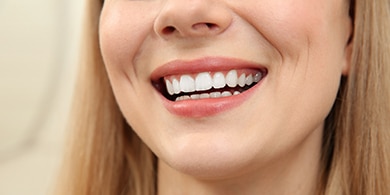



Have you ever looked at a photo and immediately noticed your teeth before anything else? Maybe your smile looks dull, a tooth appears chipped, or you simply don’t feel comfortable showing your teeth.
You’re not alone. Many people become more conscious of their smiles in photographs, especially with today’s smartphones, video calls, social media, and high-resolution cameras.
The good news is that cosmetic dentistry isn’t necessarily about creating an artificial-looking “perfect” smile. Modern cosmetic dental treatments can address specific concerns while keeping your smile looking natural and suited to your face.
Why Do Some People Hide Their Smile in Photos?
A person’s smile can change the way they feel about photographs. Common concerns include:
| Smile Concern | Possible Cosmetic Solution |
|---|---|
| Yellow or stained teeth | Professional teeth whitening |
| Small chips or uneven edges | Dental bonding |
| Gaps between teeth | Bonding or veneers, depending on the case |
| Misshapen teeth | Bonding or veneers |
| Worn or discolored teeth | Veneers or other restorative options |
| Several cosmetic concerns | Personalized smile makeover |
Not every concern requires extensive treatment. Sometimes a relatively small change can make a noticeable difference.
1. Stained or Discolored Teeth
Coffee, tea, red wine, tobacco, aging, and certain foods can contribute to tooth discoloration. Even people who brush and floss consistently may notice their teeth becoming darker over time.
Professional teeth whitening can help lighten certain types of staining more effectively and predictably than many over-the-counter products.
However, whitening isn’t appropriate for every type of discoloration. Existing crowns, veneers, and some types of deep internal staining may not respond the same way as natural teeth.
A dental evaluation can help determine whether whitening is the right starting point.
2. Chipped or Uneven Teeth
A small chip may seem insignificant, but it can become surprisingly noticeable in photographs.
Dental bonding is one option dentists may use to improve the appearance of minor chips, small gaps, or uneven tooth edges. During bonding, tooth-colored material is carefully shaped and polished to complement the surrounding teeth.
For the right patient, it can provide a conservative way to improve a smile without removing significant amounts of natural tooth structure.
3. Teeth That Look Uneven or Misshapen
Sometimes the problem isn’t discoloration—it’s the shape or proportion of individual teeth.
One tooth may appear shorter than the others, or several teeth may have slightly different shapes. Depending on the situation, cosmetic bonding or porcelain veneers may be considered.
Veneers are thin coverings designed to improve the appearance of the visible surfaces of teeth. They’re generally considered when someone has more significant cosmetic concerns and wants a longer-term solution.
A consultation is important because veneers aren’t automatically the best choice for everyone.
4. Gaps That Make You Self-Conscious
Small spaces between teeth can be completely normal, but if a gap bothers you, cosmetic dentistry may offer options for improving its appearance.
For certain cases, dental bonding can close a small space by adding tooth-colored material to the sides of the teeth.
Other situations may require orthodontic treatment or a different approach. The best option depends on the size and location of the gap, your bite, and your overall oral health.
5. When You Want More Than One Change
What if your teeth are both discolored and uneven? Or perhaps you have several small imperfections that you’d like to address together.
That’s where a smile makeover may come into the conversation.
A smile makeover isn’t one specific procedure. It refers to a personalized combination of cosmetic or restorative treatments designed around a patient’s goals.
Depending on the individual’s needs, treatment may involve whitening, bonding, veneers, crowns, or other procedures.
The goal should be a balanced result—not simply making every tooth look identical.
Cosmetic Dentistry Should Start With Healthy Teeth
One important point often overlooked in discussions about cosmetic dentistry: cosmetic treatment should begin with a healthy foundation.
Active cavities, gum disease, infections, or other oral health problems may need to be addressed before cosmetic treatment.
That’s why a comprehensive examination matters. Your dentist can evaluate your teeth, gums, bite, and existing dental work before recommending a cosmetic approach.
How to Choose the Right Cosmetic Treatment
There isn’t one cosmetic procedure that’s best for everyone.
Your dentist may consider:
- The condition of your teeth and gums
- The color and shape of your natural teeth
- Your bite and tooth alignment
- How much tooth structure is available
- Your cosmetic goals
- Your desired timeline
- Existing fillings, crowns, or other dental work
- Your long-term oral health
The best cosmetic dentistry plan is one that’s customized to you rather than based on a treatment trend.
What Should You Do If You Don’t Like Your Smile in Photos?
Start with a dental consultation instead of choosing a procedure based solely on photographs or social media.
At Syosset Dental, Dr. Richard J. Kobak and Dr. Emmanuil Diamantakis can evaluate your smile and discuss treatment options based on your individual needs and goals.
Whether you’re interested in professional whitening, bonding, veneers, or a broader smile makeover, the first step is understanding what is actually causing the concern.
A natural-looking smile doesn’t have to mean a dramatic transformation. Sometimes, the right small improvement is enough to make you feel comfortable smiling again.
Ready to feel more confident about your smile? Contact Syosset Dental at 516-329-9051 to schedule a consultation.
Frequently Asked Questions
1. What does cosmetic dentistry include?
Cosmetic dentistry includes treatments designed primarily to improve the appearance of teeth and smiles. Depending on the patient’s needs, options may include professional teeth whitening, dental bonding, veneers, and certain restorative procedures.
2. Is cosmetic dentistry only for people with severely damaged teeth?
No. Cosmetic dentistry can address relatively minor concerns such as staining, small chips, uneven edges, or small gaps. Treatment can range from a simple cosmetic improvement to a more comprehensive smile makeover.
3. How do I know whether veneers or bonding are better for me?
It depends on your teeth, oral health, cosmetic goals, bite, and the amount of correction needed. Bonding can be appropriate for certain minor imperfections, while veneers may be considered for more extensive cosmetic changes. A dental examination is the best way to determine which option fits your situation.
4. Can cosmetic dentistry make my smile look natural?
Yes. Modern cosmetic dentistry can be planned around the shape, proportions, and appearance of your natural teeth. The goal is generally to create a smile that complements your facial features rather than looking obviously artificial.
5. Should I whiten my teeth before getting veneers?
In many cases, whitening may be discussed before other cosmetic treatment because veneers and other restorations do not whiten in the same way as natural teeth. Your dentist can help determine the appropriate sequence based on your treatment plan.
A Smile You Feel Comfortable Showing
You shouldn’t feel like you have to hide your smile whenever someone pulls out a camera.
If discoloration, chips, gaps, or uneven teeth are affecting your confidence, cosmetic dentistry may provide several ways to improve your smile.
The right treatment isn’t necessarily the most extensive one. It’s the treatment that addresses your concerns while supporting your long-term oral health.
Syosset Dental is here to help you understand your options and make an informed decision about your smile.