
How Type 1 Diabetes Increases Your Risk for Gum Disease

Gum-Disease-Treatment-Syosset-New-York


Type 1 diabetes doesn’t just affect your blood sugar—it also impacts your oral health, especially your gums. Research shows a strong connection between diabetes and gum issues. Let’s explore how this chronic condition can make you more vulnerable to periodontal disease and what you can do about it.

Blood Sugar and Bacteria: A Dangerous Mix

High blood sugar levels create an ideal environment for harmful bacteria in your mouth. These bacteria feed on sugars and release toxins, which trigger inflammation. This weakens the gums and bone structure supporting your teeth, leading to gum recession, bleeding, and even tooth loss over time.

Weakened Immune System Slows Healing

People with Type 1 diabetes have a harder time fighting infections. Their immune systems don’t respond as quickly or effectively, so minor gum problems can worsen into major infections. Healing after dental procedures also takes longer, increasing the risk of complications.

Dry Mouth Makes It Worse

Diabetes often causes dry mouth due to reduced saliva production. Saliva protects your teeth and washes away harmful bacteria. When your mouth feels dry, bacteria can build up faster and irritate your gums. That raises your risk of infections and plaque buildup along the gumline.

Warning Signs to Watch For

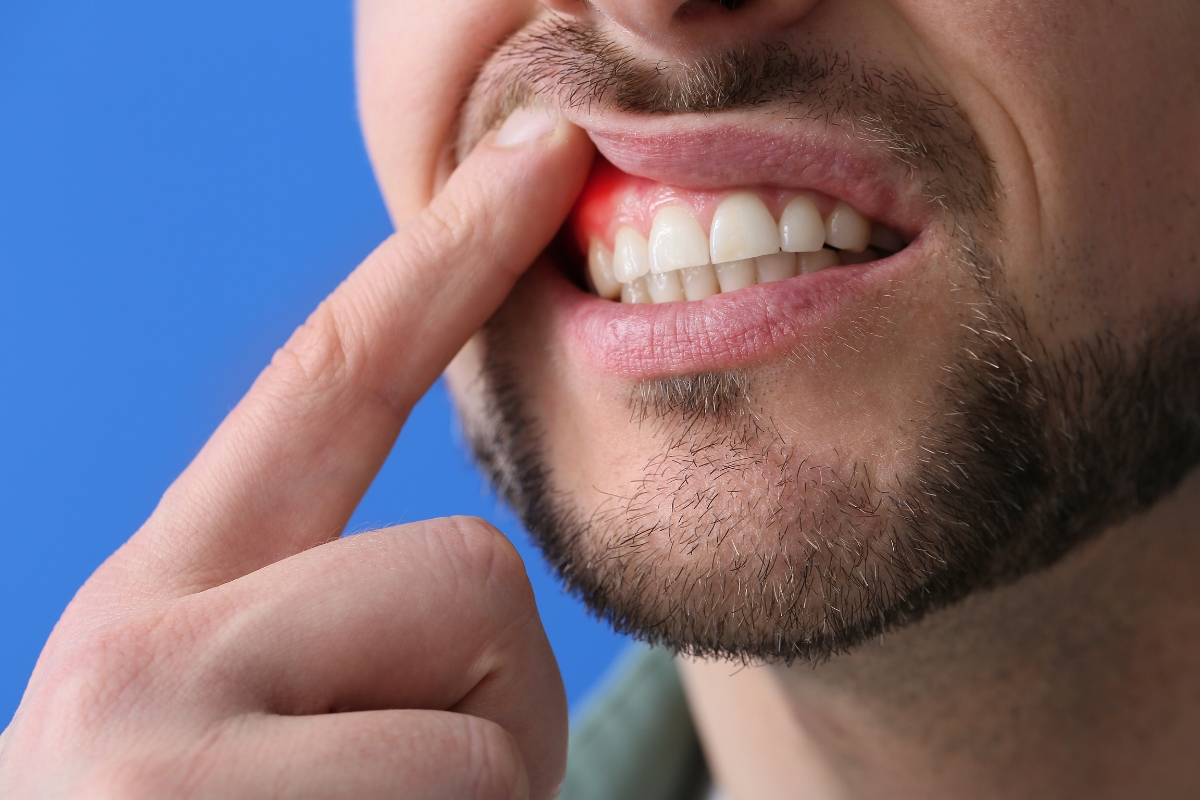
If you have Type 1 diabetes, you must stay alert for gum trouble signs. Swollen, red, or bleeding gums are early indicators. Chronic bad breath or shifting teeth can also signal a deeper problem. Don’t ignore these signs—schedule a periodontist consultation before it gets worse.

Why Early Care Matters

Catching gum issues early allows for more effective periodontal treatment. Treating gum disease in its early stages reduces the risk of further complications. Delaying care could affect your blood sugar control, making diabetes management harder and increasing long-term health risks.

Building a Strong Oral Routine

Brush your teeth twice daily and floss regularly to prevent plaque buildup. Use a soft-bristle brush and fluoride toothpaste. Rinse with an antibacterial mouthwash. Regular dental visits are essential. If you’re diabetic, aim for a cleaning every three to four months to stay ahead of any issues.

Partnering With the Right Specialist

Sometimes, your general dentist may recommend seeing a specialist for advanced gum care. A skilled periodontist near me can help manage your diabetes and gum health. They offer targeted treatments that reduce inflammation and preserve your teeth.

Local Expertise You Can Count On

If you’re looking for expert care, a trusted periodontist in Syosset offers tailored solutions for diabetic patients with gum concerns. Their focused approach helps protect your smile while supporting better overall health outcomes.

Final Thoughts

Type 1 diabetes makes gum care more challenging—but not impossible. Understanding the link between diabetes and periodontal disease empowers you to take control. With proper hygiene, regular checkups, and timely treatment, you can protect your gums and manage your health.

Don’t wait for symptoms to worsen. Early action leads to healthier gums and better blood sugar control. Take that first step and schedule your consultation today.

How VELscope Detects Oral Cancer Before Symptoms Appear

oral-cancer-screenings-syosset


Oral cancer often hides in plain sight. It starts silently and grows without noticeable pain or warning signs.
By the time it shows, it may have already progressed. That’s where early detection of oral cancer becomes crucial.
Early diagnosis increases survival rates, simplifies treatment, and prevents the disease from spreading to other parts of the body.

What Is VELscope and How Does It Work?

VELscope is a cutting-edge device designed to identify abnormal tissues in your mouth that may indicate cancer.
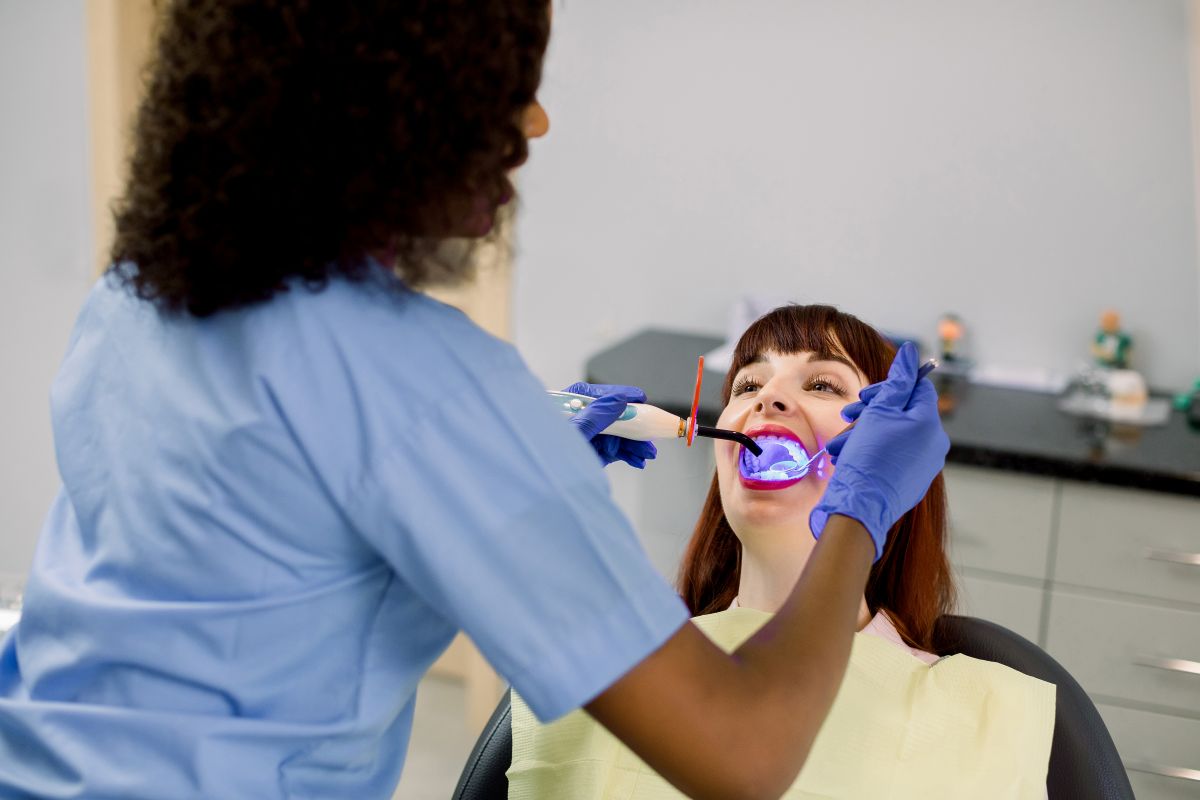
It uses a special blue light to highlight changes not visible to the naked eye during a traditional exam.
This light interacts with the tissues inside your mouth and helps reveal unhealthy cells before symptoms appear.
It’s a non-invasive and painless oral cancer test that takes only a few minutes during your regular dental checkup.

VELscope Oral Screening vs Traditional Exams

Unlike traditional exams that rely on visual inspection, VELscope takes it one step further by utilizing fluorescence technology.
Your dentist will shine a safe, bright light into your mouth to identify dark areas that may require further evaluation.
These dark patches may indicate cell changes, making VELscope oral screening more precise than a visual exam alone.
This proactive tool enables dental professionals to take action before the cancer spreads or becomes more difficult to treat.

What Oral Cancer Symptoms Are Usually Missed?

Most people ignore early signs like sores, red patches, or mild discomfort, thinking they’re temporary or harmless.
Common oral cancer symptoms may include persistent mouth pain, trouble swallowing, or changes in voice or taste.
However, some cases have no symptoms at all, making VELscope vital in detecting what your eyes can’t see.
This is especially helpful for high-risk individuals who smoke, drink often, or have a history of HPV infection.

Is the VELscope Exam Safe and Comfortable?

Absolutely. Patients experience no pain, discomfort, or sensitivity during the screening—it’s quick, simple, and stress-free.
There are no dyes, poking instruments, or side effects involved. You sit back while the light scans your mouth.
Because it’s non-invasive, VELscope is perfect for routine checks and ongoing monitoring of your oral health.

Who Should Get a VELscope Oral Screening?

Everyone should consider a VELscope screening at least once a year, especially those over 40 years old or those with risk factors.
If you’ve used tobacco, consumed alcohol regularly, or had prolonged sun exposure, you’re at greater risk of oral cancer.
Ask your dentist about incorporating VELscope into your next exam for peace of mind and improved health outcomes.

The Role of Dental Clinics in Prevention

Many forward-thinking dental practices now offer advanced tools, such as VELscope, to enhance patient care and safety.
Routine exams with this technology provide faster results, higher accuracy, and long-term benefits to your well-being.
Clinics offering oral cancer screenings in Syosset are at the forefront of helping patients detect cancer early.

Conclusion

VELscope empowers your dentist to catch what your eyes and body can’t.
It’s fast, painless, and incredibly effective at spotting trouble early—before it becomes dangerous.
Schedule your next checkup today and ask if VELscope is right for you. Your future self will thank you.

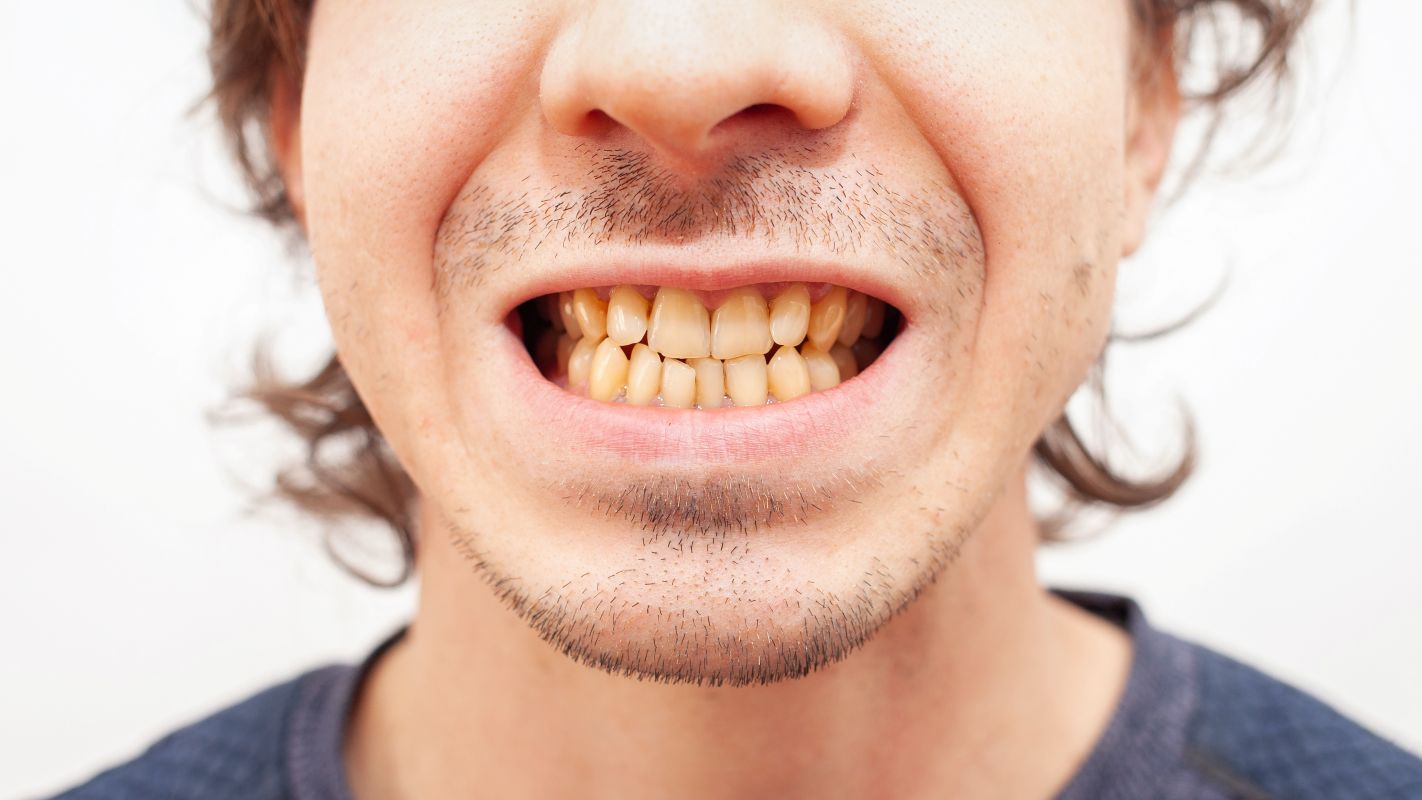
Can Cosmetic Dentistry Fix Crooked Teeth Without Braces?

cosmetic dental treatment Syosset, New York


Not a fan of metal braces, but still want straighter teeth? You’re not alone—and you’re in luck. Thanks to advanced cosmetic dental options, you may not need braces to get that confident, aligned smile.

Let’s explore how cosmetic dentistry can help correct crooked teeth without traditional orthodontics.

When Braces Aren’t the Only Option

Mildly crooked teeth can often be improved without using brackets or wires. If your alignment issues are cosmetic, a skilled cosmetic dentist can use alternative solutions that reshape, conceal, or enhance the appearance of your teeth.

These methods are fast, minimally invasive, and incredibly effective for the right candidates.

Dental Veneers: A Straight Smile in Just Weeks

Veneers are thin porcelain or composite shells bonded to the front of your teeth. They can mask minor crowding, gaps, or slight misalignment by creating a new, symmetrical outer surface.

Treatment usually takes two visits. You’ll walk out with a smile that looks naturally straight and bright, without years of waiting.

Veneers aren’t ideal for major bite issues, but they’re perfect for visible flaws.

Cosmetic Bonding: A Quick Fix for Small Misalignments

Dental bonding involves applying a tooth-colored resin to crooked or uneven areas. Your dentist in Syosset sculpts the material to improve shape, close gaps, or align angles.

This cosmetic dental treatment is fast, affordable, and typically done in a single visit. It’s an excellent choice for slight imperfections on a few teeth.

However, bonding may not last as long as veneers and can stain over time.

Contouring and Reshaping: Subtle But Impactful

Tooth contouring involves gently sanding and reshaping the enamel to achieve a more optimal alignment. Dentists often pair this with bonding for enhanced results.

It works best when your teeth are only slightly crooked or uneven in length. This approach offers a dramatic improvement with minimal effort and no downtime.

Teeth Whitening to Complement Your New Smile

After correcting alignment, many patients also opt for teeth whitening services to complete the transformation. A straighter smile looks even better when it’s bright and white.

Professional teeth whitening removes deep stains and enhances results that store-bought kits can’t match.

Whitening is often combined with other cosmetic dental procedures to elevate the overall effect.

Who’s a Good Candidate for These Options?

If your teeth are healthy and the misalignment is primarily aesthetic, you’re likely a candidate for non-braces treatments. However, if your bite is severely off, braces or Invisalign may still be necessary.

Your cosmetic dentist in Syosset will evaluate your mouth and suggest the best treatment path for your unique smile.

Finding the Right Expert Matters

A skilled cosmetic dentist, Syosset residents trust can help you skip the metal and fast-track your smile goals. Look for someone with experience in veneers, bonding, and complete smile makeovers.

Always ask for before-and-after photos and check patient reviews before making a commitment.

Final Thoughts

You don’t always need braces to achieve straight teeth. Modern cosmetic dentistry offers multiple pathways to a smile you’ll love. From veneers and bonding to contouring and whitening, you have plenty of non-invasive options.

If you’ve been putting off straightening your teeth because of braces, now’s the perfect time to explore your choices. A stunning smile might be closer and simpler than you think. To get started on improving your smile with the proper cosmetic treatment, visit our dental office in Syosset, NY, today.

Can Vitamin D Benefit Dental Implants? Here’s What You Should Know

dental implants Syosset, New York


Thinking about getting dental implants? You might be surprised how much vitamin D can influence your results.

Let’s explore how this powerful nutrient supports your implant journey and boosts your smile for the long haul.

Why Bone Health Matters for Dental Implants

Strong bone support is crucial for dental implants to function effectively. Without it, implants may loosen or fail to function correctly.

Vitamin D helps your body absorb calcium and keeps your jawbone strong, which is crucial during healing.

This means your implants can bond more effectively with the bone and remain secure for a more extended period.

Vitamin D and the Healing Process

After the dental implant procedure, your gums and bone need time to heal correctly and bond with the implant.

Vitamin D reduces inflammation and speeds up healing by promoting better immune response and tissue repair.

That’s why people low in vitamin D might face slower recovery or higher chances of complications.

Low Vitamin D Levels Can Pose Risks

Not getting enough vitamin D? That may delay healing and raise the risk of infection or implant failure.

Studies have shown that low vitamin D may affect how well implants fuse with your jawbone.

Getting tested for vitamin D before surgery is a smart step for better long-term results.

How Much Vitamin D Do You Need?

Adults typically need 600 to 800 IU of vitamin D daily; however, some may require more, depending on their individual health needs.

Sunlight, supplements, and foods like fatty fish or fortified milk can help naturally boost your vitamin D levels.

Talk to your dentist or doctor before adding supplements to your routine.

Vitamin D for Long-Term Implant Success

Dental implants are a permanent tooth replacement option that relies on long-term bone stability and health.

Vitamin D supports bone maintenance and may reduce the risk of peri-implantitis, a gum disease around implants.

Maintaining steady vitamin D levels can help preserve your implant for years to come.

Tips for Supporting Dental Implant Maintenance

Good oral hygiene is essential. Brush, floss, and get regular cleanings to protect your investment.

Stay active, eat nutrient-rich foods, and get enough vitamin D to support bone and gum health.

Don’t forget to follow up with your dentist to monitor your progress and detect issues early.

Who Should Consider Vitamin D Before Implants?

Individuals with osteoporosis, limited sun exposure, or darker skin may be at a higher risk of deficiency.

If you’ve had bone loss or plan to get dental implants, checking your vitamin D is a brilliant idea.

Boosting your vitamin D may improve how your body reacts to the implants and speed recovery.

Final Thoughts on Vitamin D and Implants

Vitamin D plays a crucial role in healing, maintaining bone strength, and enhancing the success of dental implants. Don’t overlook this simple step.

It’s one of the easiest ways to support a smoother dental implant procedure and better long-term results.

If you’re exploring missing teeth solutions, include vitamin D in your prep for a healthier, happier smile.

Looking for Expert Care in New York?

At our dental clinic, we offer top-notch dental implants that Syosset residents can rely on for lasting results.

Let us help you achieve a confident smile with personalized care and complete dental support.

Can You Have Root Canal Treatment When You’re Pregnant?

Root Canal Treatment


Pregnancy brings about many changes, and sometimes, dental problems can also arise. One common concern is whether it’s safe to get a root canal.

Is It Safe to Have a Root Canal While Pregnant?

Yes, you can have a root canal when pregnant. Research shows that root canals are usually safe during pregnancy. The small risks are minor compared to the benefits. Treating dental problems early helps prevent infections and protects both the mother and baby. It’s better to get care than to let the issue grow worse over time.

When Is the Best Time for Dental Work?

The second trimester is usually the safest time for dental procedures. By then, the baby’s major organs have developed. Also, lying down for treatment is more comfortable before the third trimester. The first trimester is more delicate, and the third can bring physical discomfort.

What About the Medications and X-Rays?

X-rays may sound risky, but modern dental offices use safe, low-dose digital x-rays. A lead apron protects your belly and thyroid. Local anesthesia is also considered safe during pregnancy. Dentists carefully select medications to minimize risks.

Signs You Might Need a Root Canal

Severe tooth pain that doesn’t go away may signal an infection. Swelling, tenderness, or a pimple on the gum are other warning signs. These symptoms suggest that endodontic therapy may be necessary to save the tooth and stop the pain.

What Happens During the Procedure?

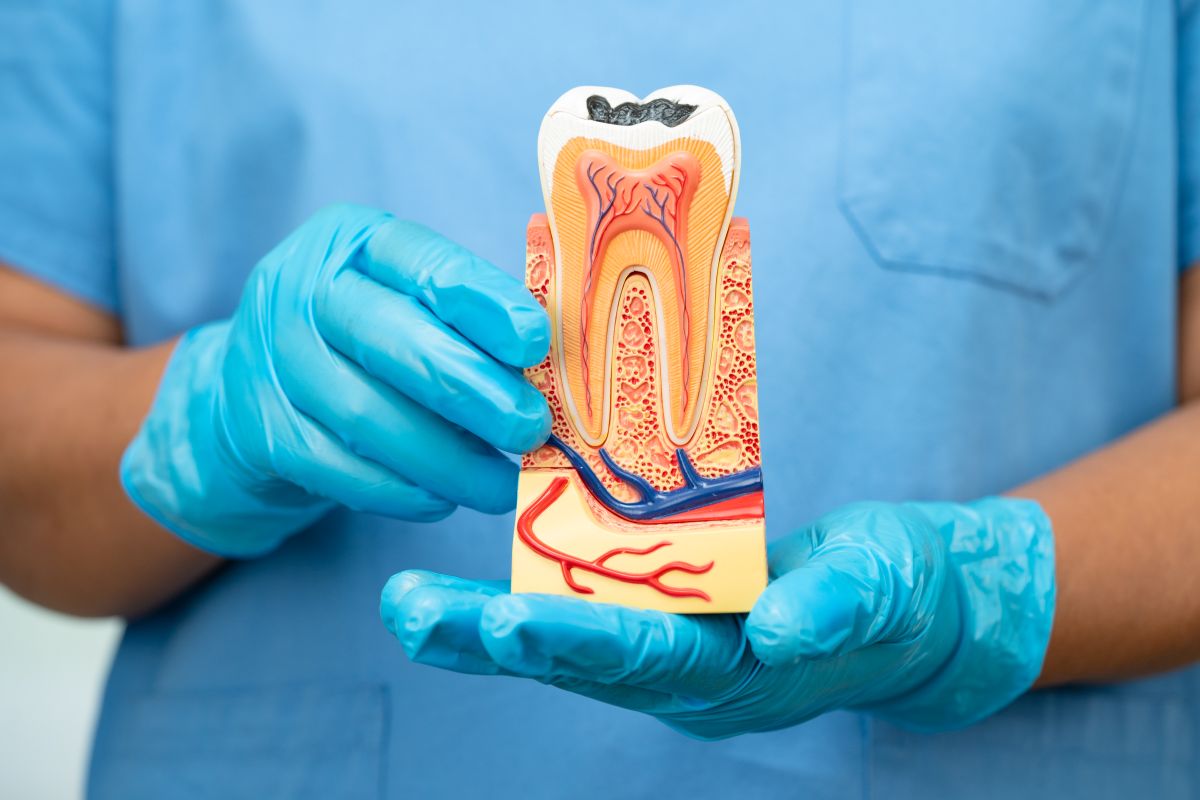
During a root canal procedure, the dentist removes infected pulp from inside the tooth. They clean the canals, then seal them. This helps stop infection and saves the natural tooth. The process usually takes one or two visits.

Is the Procedure Painful?

Most patients feel little to no pain during treatment. The primary benefit is the relief of root canal pain once the infection is resolved. Pregnant women often worry about discomfort, but proper anesthesia makes the process manageable and safe.

Aftercare and Tooth Sensitivity

You may feel mild tooth sensitivity after a root canal, which is normal. Dentists may recommend acetaminophen for relief. Avoid hard or crunchy foods for a few days. Good oral hygiene helps with recovery and prevents further issues.

Common Concerns and Complications

Some patients worry about complications from root canal procedures. However, serious problems are rare, primarily when performed by skilled professionals. Infection can return if proper care isn’t followed. Regular checkups help catch any issues early.

The Final Step: Filling the Tooth

After cleaning the canals, the dentist adds a root canal filling to seal the space. A crown may be placed to protect the tooth and restore function. Rest assured, the materials used are safe for expecting mothers.

Final Thoughts

You can safely receive root canal treatment during pregnancy with proper planning and care. Addressing dental issues early ensures better health for you and your baby. Always inform your dentist that you’re pregnant before any procedure.

You Should Schedule Your Oral Cancer Screening

syosset oral cancer screening

We often talk about the importance of a routine exam and cleaning visit to avoid issues like tooth decay and gum disease. But during these visits we also conduct an oral cancer screening, which is crucial for our adult patients. April is Oral Cancer Awareness Month, and in today’s blog, your Syosset, NY, dentist talks about screening for oral cancer.

(more…)

How We Place Our Dental Implants

syosset dental implants

If you have a missing tooth, or even if you have suffered total tooth loss, we can offer prosthetics to keep your smile full again. With dental implants, we can support new teeth that look and function like natural ones, and stay in place longer than traditional bridges or removable dentures! In today’s blog, your Syosset, NY, dentist talks about our dental implants.

(more…)