



Your smile affects more than your appearance. It influences how you speak, eat, and feel each day. When a tooth becomes infected or severely damaged, it can cause pain, sensitivity, and swelling that affects your daily comfort. Many people assume that removing the tooth is the only option, but modern dentistry provides a better solution that preserves your natural smile. Root canal therapy is a proven procedure that eliminates infection while saving the natural tooth.
What Is a Root Canal?
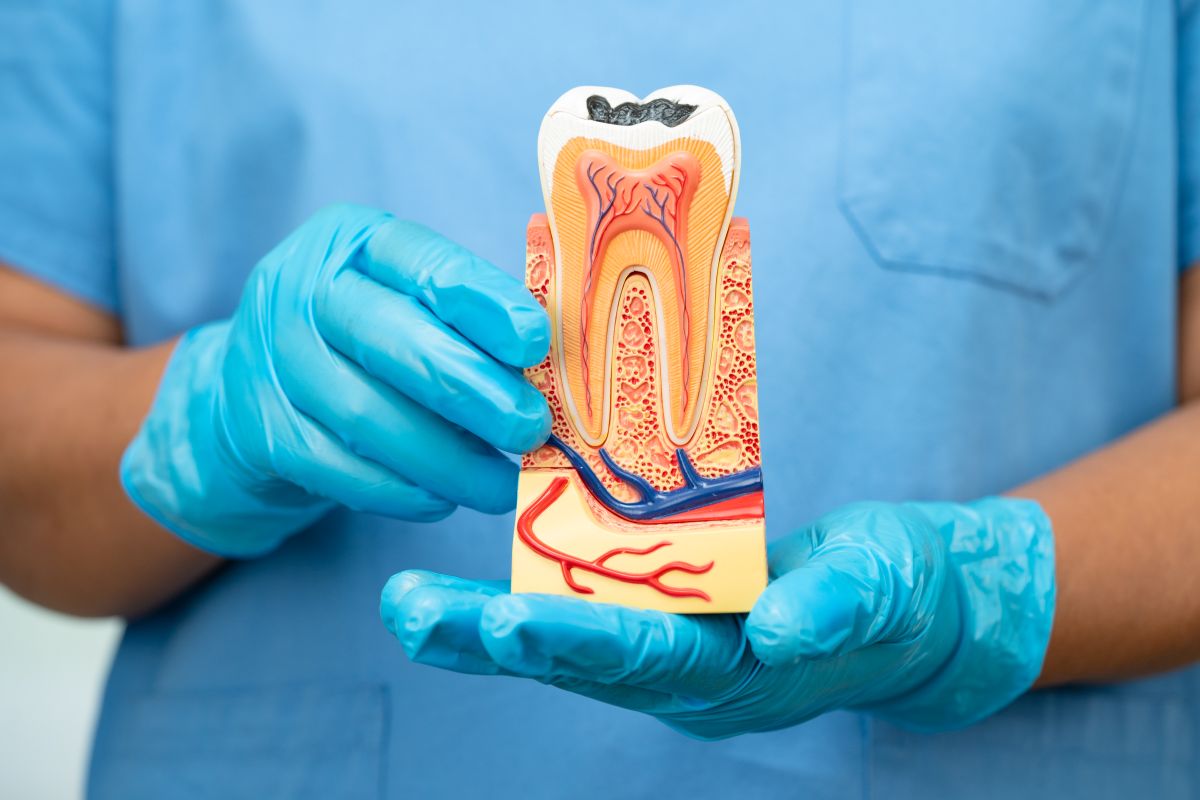
A root canal is a dental procedure that removes infected or damaged pulp from inside a tooth. The pulp is the soft tissue that contains nerves and blood vessels. When this area becomes infected, the tooth can become extremely sensitive or painful. The treatment cleans the inner chamber, disinfects it and seals it to prevent bacteria from returning. A dental crown is usually placed afterward to restore strength and function.
This procedure is designed to save your natural tooth structure and prevent infection from spreading to the surrounding areas.
What Causes the Need for Root Canal Treatment?
Root Canal Treatment is recommended when the pulp inside the tooth becomes infected or inflamed. Some of the most common causes include:
-
Severe Tooth Decay: Cavities that reach the tooth’s inner layer.
-
Cracked or Chipped Teeth: Damage caused by accidents or grinding.
-
Repeated Dental Procedures: Multiple treatments on the same tooth can weaken it.
-
Deep Fillings: Restorations that are very close to the nerve.
-
Trauma or Injury: Even without a visible crack, trauma can still harm the pulp.
When these issues occur, you may notice signs of a tooth infection, such as throbbing pain, sensitivity to hot or cold, swollen gums, or discomfort when biting.
The Benefits of Root Canal Treatments
Choosing a root canal over extraction offers numerous long-term benefits:
-
Saves Your Natural Tooth: Preserves the tooth instead of removing it.
-
Stops Infection From Spreading: Prevents infection from reaching the jaw or nearby teeth.
-
Relieves Pain: Eliminates the discomfort caused by damaged or infected pulp.
-
Protects Your Tooth Structure: Keeps your bite and natural alignment intact.
-
Avoids Tooth Loss-Related Problems: Prevents shifting teeth and the need for implants or bridges.
Many patients are relieved to learn that root canal treatment is comfortable and performed with modern techniques.
How to Care for a Tooth After a Root Canal
Caring for your restored tooth ensures it remains strong and functional for many years. Here’s how:
-
Use a Dental Crown After Treatment: A crown strengthens the tooth and prevents future cracks.
-
Practice Daily Oral Hygiene: Brush twice a day and floss daily to protect your gums.
-
Avoid Chewing Hard Foods on the Treated Tooth Until Crown Placement: This prevents potential fractures.
-
Schedule Follow-Up Visits: Routine dental checkups help maintain long-term oral health.
-
Monitor for Any Changes: If you notice discomfort or pressure, contact your dentist right away.
Most patients resume normal activities quickly, and results are long-lasting when proper care is maintained.
Consulting a Professional Dentist in Syosset, NY
Syosset Dental offers personalized care, state-of-the-art technology, and a comfortable treatment experience to ensure your root canal procedure is smooth and stress-free. If you live in Syosset, don’t wait—schedule your visit today to protect your smile, relieve discomfort, and maintain long-term oral health.
FAQs About the Benefits of Root Canal Treatment
-
Does a root canal hurt?
No, modern techniques make the procedure comfortable, often relieving pain immediately. -
How long does a root canal take?
Most treatments are completed in one to two visits. -
Will I need a crown afterward?
Yes, a crown strengthens the tooth and prevents future damage. -
How do I know if I need a root canal?
Persistent pain, sensitivity, or swelling may indicate an infection. -
Can a root canal stop tooth loss?
Yes, it saves your natural tooth and prevents the need for extraction. -
How long does a root canal last?
With a crown and good oral care, it can last many years. -
Is a root canal better than removing the tooth?
Yes, saving your natural tooth preserves function, bite alignment, and appearance.