



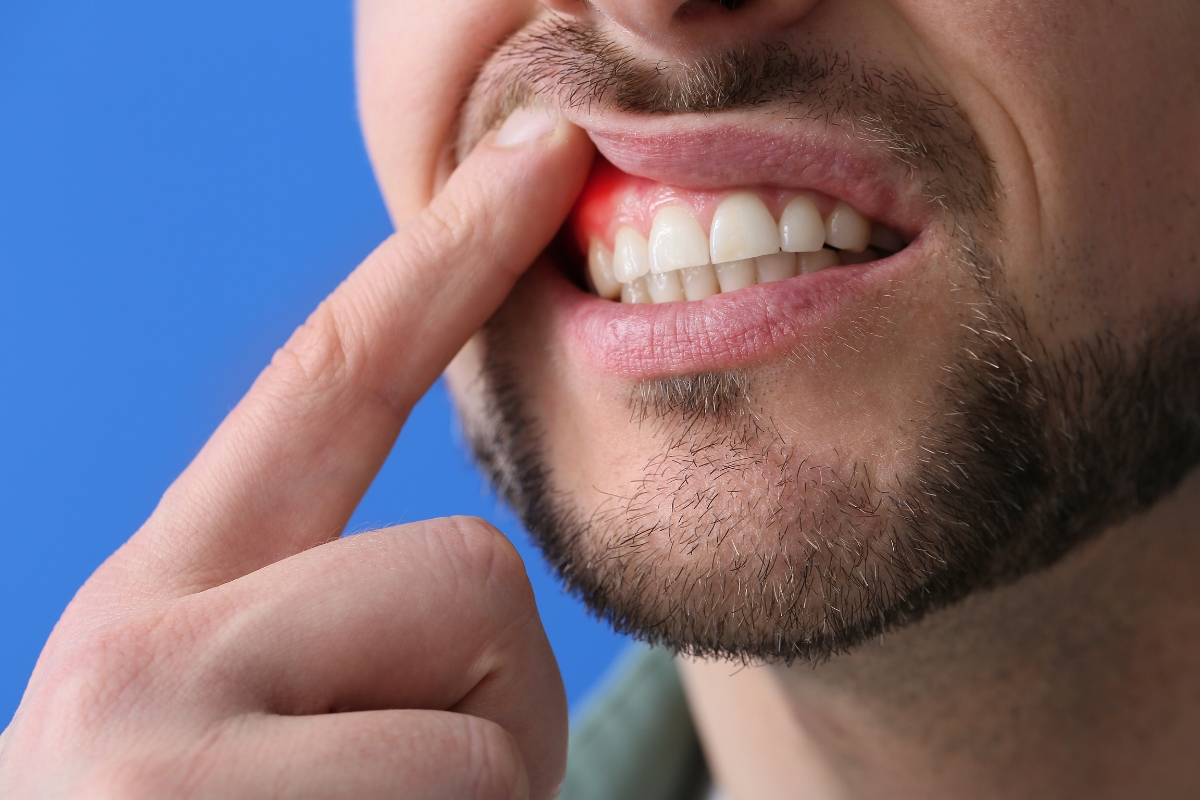
Maintaining healthy gums is just as important as keeping your teeth strong. While regular cleanings help remove surface-level plaque, they sometimes aren’t enough to stop gum disease from progressing. For patients with early to moderate periodontal concerns, deep cleaning—also known as scaling and root planing—plays a crucial role in restoring and protecting long-term gum health. This treatment targets the areas beneath the gumline, where harmful bacteria thrive and cause inflammation, infection, and bone loss.
Deep cleaning is a proactive approach that helps prevent more serious issues, such as advanced gum disease, tooth mobility, and the need for future surgical intervention. When addressed early, gum health becomes easier to maintain, creating a stronger foundation for your overall oral wellness.
What Is Deep Cleaning?
Deep cleaning is a specialized dental procedure designed to remove hardened plaque (tartar) and bacteria found below the gumline. Unlike a routine dental cleaning, this treatment reaches deep periodontal pockets—spaces that form when gums pull away from the teeth due to inflammation. Scaling removes plaque from the tooth surface, while root planing smooths the roots to help the gums reattach and reduce pocket depth. This makes it harder for bacteria to accumulate again.
Signs You May Need a Deep Cleaning
You may benefit from deep cleaning if you’ve noticed symptoms of gum disease, including:
-
Bleeding gums when brushing or flossing
-
Persistent bad breath
-
Gum tenderness or swelling
-
Receding gums or teeth appearing longer
-
Visible tartar buildup along the gumline
-
Deep periodontal pockets are identified during a dental exam
Many patients who undergo periodontal therapy find that deep cleaning significantly improves their gum stability and comfort.
How Deep Cleaning Helps Restore Gum Health
Deep cleaning offers several important benefits that support long-term gum health. It helps stop the progression of gum disease by removing harmful bacteria beneath the gums and reducing inflammation. Treating infection early prevents bone loss and protects the structures that support your teeth. Smoothing the tooth roots encourages the gums to reattach more securely, creating a healthier seal around each tooth. Many patients also experience improved daily comfort, including reduced sensitivity, fresher breath, and overall healthier gums. With cleaner and smoother root surfaces, maintaining good oral hygiene at home becomes much easier. Because of these advantages, this treatment is often recommended by an experienced dentist near you when early signs of periodontal disease begin to appear.
Step-by-Step Deep Cleaning Procedure
Deep cleaning generally includes the following steps:
-
Comprehensive Evaluation: Your dentist measures the depth of your gum pockets and evaluates your gum health.
-
Local Anesthesia: Numbing gel or injections ensure comfort during the procedure.
-
Scaling: Plaque and tartar deposits are removed from the tooth surfaces and below the gumline.
-
Root Planing: The roots are smoothed to discourage bacteria and support gum healing.
-
Post-Treatment Guidance: Your dentist provides home-care instructions and follow-up recommendations.
Most patients experience only mild soreness after the procedure, and improvement in gum health begins quickly.