
Why Summer Is Perfect for Dental Implants

Dental Implants Syosset

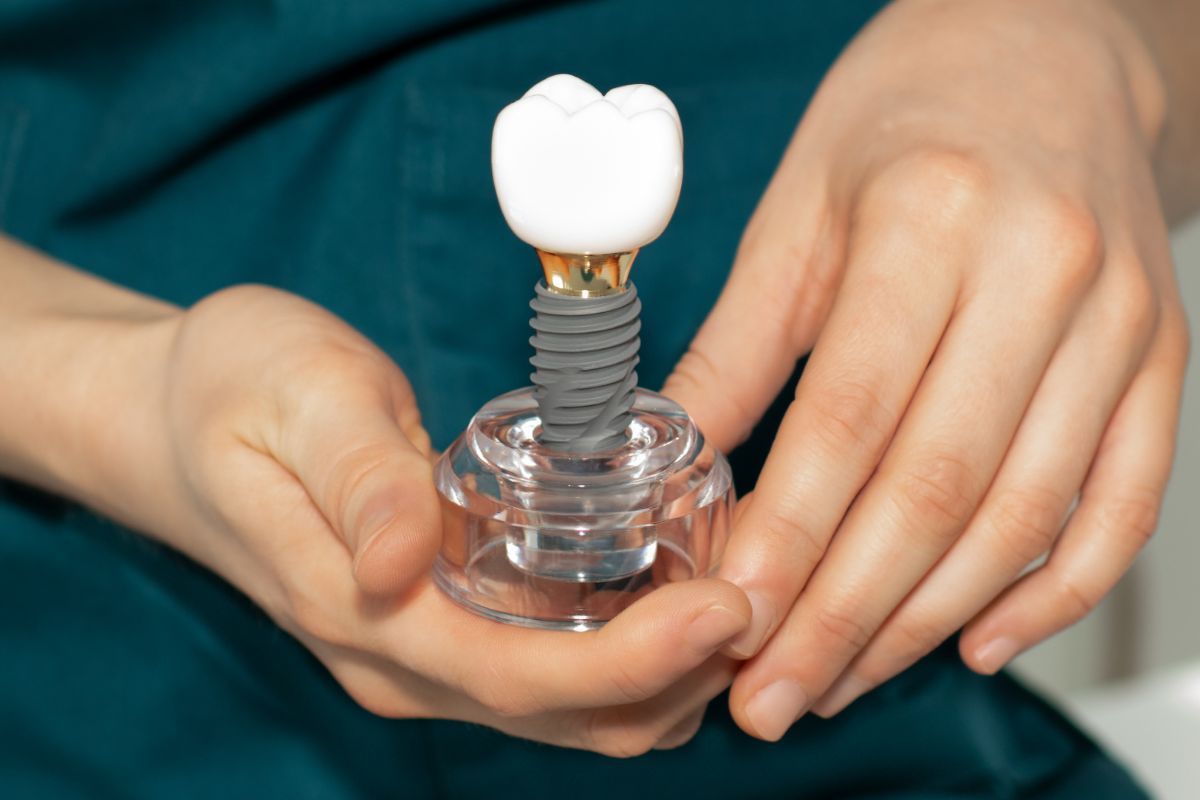
When most people think of summer, they imagine vacations, backyard barbecues, and poolside fun. But did you know summer is also an ideal season to consider dental implants? With more flexible schedules, better healing opportunities, and time to prepare your smile for upcoming events, summer offers the perfect setting for this life-changing treatment.

More Free Time for Appointments

One major reason summer works well for dental implant surgery is the extra flexibility in your schedule. Many people take time off from work or school, making it easier to plan multiple appointments. You can recover at your own pace without feeling rushed by daily obligations.

Faster Healing with Better Habits

Summer often brings healthier habits like staying hydrated, eating fresh fruits, and enjoying longer daylight hours. These habits can support your recovery after dental implants. Drinking more water keeps your mouth clean, while nutrient-rich seasonal foods provide vitamins that strengthen gums and bones.

Boost Your Confidence for Events

Summer is packed with weddings, reunions, vacations, and social gatherings. If you’ve been hiding your smile due to missing teeth, implants can help. They not only restore function but also enhance confidence. With permanent tooth replacement, you’ll feel comfortable smiling in photos and engaging in conversations.

Easier to Manage Recovery

Warm weather makes recovery more pleasant compared to cold winter months. Instead of worrying about chilly winds or icy conditions, you can relax in comfort at home. Plus, summer breaks often mean fewer commitments, giving you time to rest after the procedure.

Long-Term Oral Health Benefits

Dental implants are not just cosmetic—they support oral health by preserving jawbone structure and preventing surrounding teeth from shifting. They provide reliable missing teeth solutions, improving both appearance and function. Once healed, you can enjoy meals without discomfort and speak clearly again.

Preparing for the Future

Getting dental implants in the summer gives you plenty of time to adjust before the busy holiday season. By the time winter events arrive, you’ll already have a healthier, more confident smile. Early action now means enjoying the benefits sooner rather than waiting another year.

Why Choose Dental Implants?

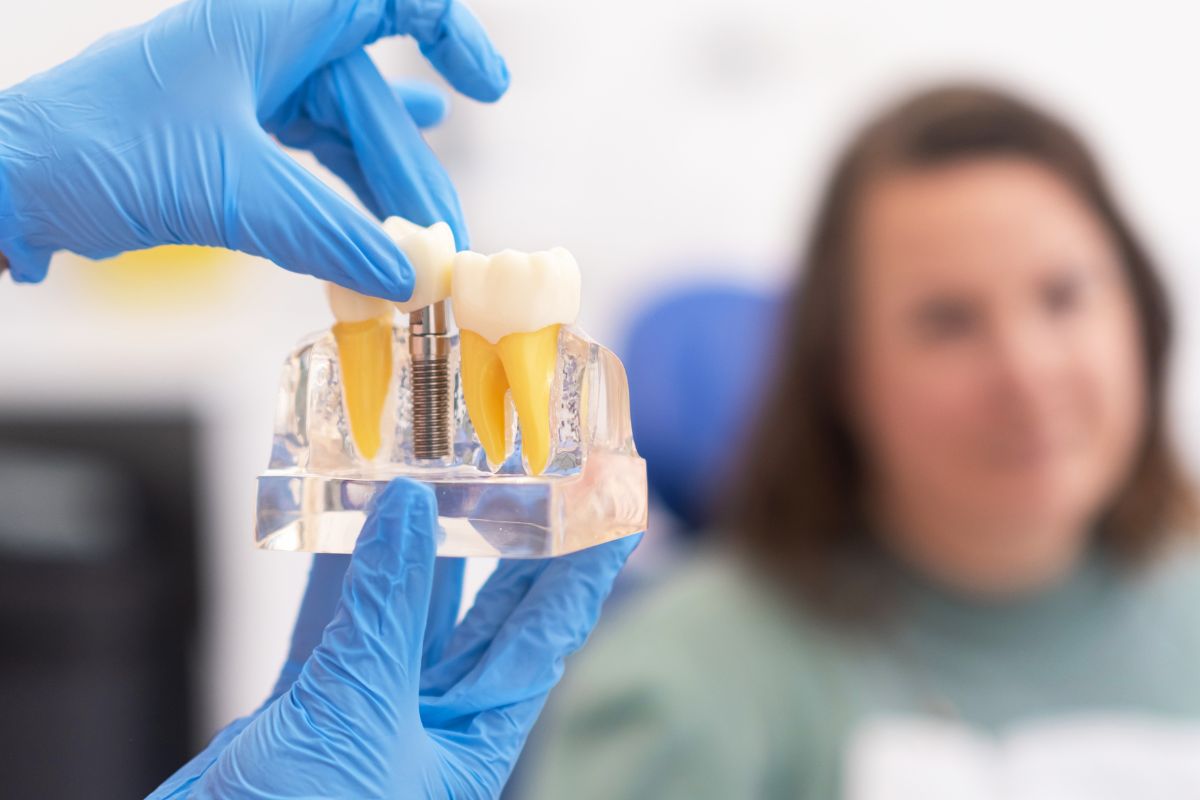
Implants are designed to look, feel, and function like natural teeth. Unlike dentures or bridges, they integrate with your jawbone, offering stability and durability. This makes them one of the most effective missing teeth solutions available today, whether you need one tooth replaced or several. Implants can dramatically improve your quality of life.

Final Thoughts

Summer gives you the perfect opportunity to invest in your smile. With flexible schedules, faster healing, and confidence-boosting results, there’s no better season to start. If you’re considering dental implants in Syosset, consult a trusted dentist to discuss your options and begin your journey toward lasting oral health.

FAQ

Q: How long does dental implant surgery take?
A: The procedure usually takes one to two hours per implant, depending on individual needs.

Q: Are implants really permanent tooth replacement options?
A: Yes, with proper care, dental implants can last a lifetime, making them highly reliable.

Q: Can I eat normally after getting implants?
A: Soft foods are recommended during healing, but once healed, you can enjoy nearly all your favorite meals.

Can Cosmetic Dentistry Fix Gaps Between Your Teeth?

cosmetic dentist in Syosset

A gap between teeth can affect both your smile and your confidence. Many people wonder if cosmetic dentistry can help. The good news is, yes—it can. Cosmetic treatments today offer effective, safe, and lasting ways to close gaps. Let’s explore how.

What Causes Gaps Between Teeth?

Gaps between teeth, also known as diastema, can occur for several reasons. Some are genetic, while others are lifestyle-related. Common causes include jaw size mismatch, missing teeth, gum disease, or habits like thumb-sucking. Regardless of the cause, cosmetic dentistry provides tailored solutions to close gaps and enhance smiles.

Dental Bonding: A Quick Fix

Dental bonding is one of the simplest ways to fix small gaps. Your dentist applies a tooth-colored resin to the affected teeth. The resin is shaped and hardened to match your natural smile. Bonding is affordable, minimally invasive, and usually completed in one visit. It’s a great option for minor gaps.

Veneers for a Flawless Finish

For larger gaps or multiple imperfections, veneers can be the right choice. Veneers are thin porcelain shells placed over the front of your teeth. They cover gaps, chips, or discoloration, providing an even, natural-looking smile. With proper care, veneers can last over a decade. This makes them a long-term investment in your confidence.

Invisalign for Natural Alignment

If gaps result from misalignment, orthodontic solutions like Invisalign may be recommended. Invisalign uses clear aligners that gradually move teeth into the right position. This treatment not only closes gaps but also improves bite and overall alignment. Many adults prefer Invisalign because it’s discreet and comfortable compared to traditional braces.

Crowns and Bridges for Missing Teeth

Sometimes, gaps exist because of missing teeth. In such cases, crowns or bridges may be used. A crown restores a damaged tooth, while a bridge fills a space left by a missing tooth. These restorations improve both appearance and function, allowing you to chew and speak comfortably.

Benefits of Closing Gaps

Closing gaps isn’t just about aesthetics. Gaps can trap food particles, increasing the risk of decay and gum problems. Correcting gaps helps improve oral hygiene, boost confidence, and create a more balanced bite. A cosmetic dentist in Syosset can assess your needs and recommend the right treatment plan.

Can Cosmetic Dentistry Fix Gaps Between Your Teeth?

Yes, cosmetic dentistry can effectively fix gaps between teeth through multiple treatment options. Whether you need bonding, veneers, Invisalign, or crowns, there’s a solution for your smile. Modern treatments are designed to be durable, natural-looking, and personalized. Consulting with a skilled professional ensures the right approach for your situation.

FAQ

Q: Is dental bonding permanent for gaps?
No, bonding is durable but may need touch-ups every few years.

Q: Do veneers damage natural teeth?
Minimal enamel removal is required, but with proper care, veneers are safe and long-lasting.

Q: How long does Invisalign take to close gaps?
Treatment time varies but typically ranges from six months to two years, depending on the severity.

Q: Are cosmetic treatments painful?
Most procedures are painless and involve minimal discomfort, often completed with local anesthesia if needed.

How a Dentist in Syosset Can Transform Your Smile with Modern Technology

Dentist in Syosset

A confident smile reflects good health, self-assurance, and happiness. Today, dentistry is more advanced than ever before. With cutting-edge tools, patients enjoy faster treatments, greater comfort, and lasting results. Let’s explore how modern technology can completely transform your dental experience.

Digital Imaging for Accurate Diagnosis

Traditional x-rays are no longer the only option. Dentists now use digital imaging to capture detailed pictures of your teeth. These images show even the smallest issues, allowing early treatment before problems worsen. Digital tools reduce radiation exposure and provide instant results for quicker consultations.

3D Scanning for Comfortable Impressions

No one enjoys messy dental molds. 3D scanning technology has replaced them with precise, comfortable digital impressions. This tool creates exact models of your teeth for crowns, bridges, or Invisalign aligners. Patients experience less discomfort and dentists achieve better treatment accuracy.

Laser Dentistry for Pain-Free Care

Lasers have changed the way many procedures are performed. They can treat cavities, reshape gums, or whiten teeth effectively. Laser dentistry reduces bleeding, minimizes swelling, and often eliminates the need for anesthesia. Healing is quicker, and the experience feels less invasive for patients.

Same-Day Crowns with CAD/CAM Technology

Waiting weeks for a dental crown is now unnecessary. CAD/CAM machines design and create crowns in a single visit. These restorations are customized to match your natural teeth, saving time without compromising quality. Patients leave with a complete smile the same day.

Comfortable Treatments with Sedation Options

For patients who feel anxious, sedation dentistry provides peace of mind. Modern sedation methods ensure comfort during complex treatments. From mild relaxation to deeper sedation, care is tailored to your needs. This technology helps nervous patients complete necessary procedures with confidence.

Enhanced Patient Experience

Modern tools not only improve treatment quality but also increase confidence in your dental care. Knowing your dentist uses advanced equipment builds trust and reassurance. Patients appreciate fewer visits, reduced discomfort, and results that last longer. Choosing a dentist in Syosset ensures access to these innovative benefits.

FAQs

Q1: Does modern dental technology make treatments more expensive?
Not always. Advanced tools often shorten treatment time, which may reduce overall costs in the long run.

Q2: Is laser dentistry safe?
Yes. Laser dentistry is FDA-approved and considered safe when performed by trained professionals.

Q3: Can digital scans replace all traditional impressions?
In most cases, yes. Digital scans are accurate, fast, and more comfortable than traditional methods.

Q4: Do same-day crowns last as long as traditional crowns?
Yes. With proper care, same-day crowns are durable and long-lasting, just like traditional crowns.

Q5: How do I know if sedation dentistry is right for me?
Your dentist will evaluate your medical history and anxiety level to recommend the safest sedation option.

Final Thoughts

Modern dental technology makes treatments faster, safer, and more comfortable than ever. From digital imaging to laser care, today’s dentistry is designed around patient needs. Investing in your smile is easier and more rewarding with the advancements available right now.

How Modern Root Canal Treatment in Syosset Is Faster and More Comfortable

Root Canal Treatment

Understanding the Need for Root Canal Treatment

When tooth decay or infection reaches the pulp, professional care becomes necessary. A root canal procedure helps preserve your natural tooth while relieving pain. Modern advancements have completely transformed how patients experience treatment compared to the past.

Why Modern Dentistry Changed the Experience

Decades ago, root canals were considered painful and lengthy. Today, with advanced technology and techniques, treatment feels quicker and more comfortable. Modern tools allow dentists to precisely remove infection while protecting healthy tooth structure.

Efficiency with Advanced Technology

New imaging systems and rotary instruments make root canal therapy faster than traditional methods. Digital X-rays deliver accurate results instantly, allowing dentists to plan treatment precisely. These innovations shorten chair time, reduce discomfort, and improve overall outcomes.

Comfort Through Improved Techniques

Patient comfort is now a top priority. Local anesthesia ensures you remain pain-free during the process. High-tech tools allow smoother cleaning of root canals, eliminating infection more efficiently. Many patients compare the comfort level to getting a simple filling.

Preserving Your Natural Smile

Saving your tooth is always better than losing it. When comparing root canal vs extraction, modern treatment often offers a more reliable solution. Preserving your tooth structure maintains proper chewing function and keeps your smile intact without relying immediately on replacements.

Benefits of Choosing Modern Treatment in Syosset

Opting for root canal treatment in Syosset ensures you receive the latest advancements in dental care. Patients benefit from shorter appointments, better results, and less post-treatment sensitivity. With proper care, your treated tooth can last a lifetime.

Life After a Root Canal

Most patients return to normal activities within a day. Following aftercare instructions, such as avoiding hard foods initially, helps with healing. Once fully restored with a crown, your tooth functions like any other. Long-term comfort and durability make modern treatment worth the investment.

FAQs

Q: Is a modern root canal painful?
No. Local anesthesia and advanced tools make the procedure comfortable and nearly pain-free.

Q: How long does treatment usually take?
Most root canals today can be completed in one or two appointments, depending on complexity.

Q: Will I need a crown afterward?
Yes. A crown strengthens and protects the treated tooth, ensuring long-lasting stability.

Q: How long will the tooth last after treatment?
With proper care, a treated tooth can last for many years, often a lifetime.

7 Everyday Habits That Can Improve Your Periodontal Health

Periodontal Health

Understanding the Importance of Periodontal Health

Your gums are the foundation of a healthy smile. Neglecting them can lead to periodontal disease, tooth loss, and other health issues. Maintaining healthy gums protects not only your teeth but also your overall well-being. Adopting simple daily habits can make a big difference in long-term oral health.

1. Brush Properly Twice a Day

Brushing your teeth for at least two minutes, twice daily, removes plaque and bacteria that harm gums. Use a soft-bristled toothbrush and gentle circular motions to avoid irritating your gums while effectively cleaning teeth.

2. Floss Daily

Flossing reaches areas your toothbrush can’t, removing plaque and food debris between teeth. Daily flossing reduces the risk of inflammation and is a crucial habit for preventing gum issues.

3. Rinse with Antimicrobial Mouthwash

An antimicrobial mouthwash can reduce bacteria and plaque buildup. Rinsing once or twice daily supports healthy gums and complements brushing and flossing routines.

4. Eat a Balanced, Nutrient-Rich Diet

A diet rich in vitamins and minerals strengthens gums and teeth. Foods high in vitamin C, calcium, and antioxidants help reduce inflammation and support gum tissue repair naturally.

5. Avoid Tobacco Products

Smoking and chewing tobacco significantly increase the risk of gum disease. Quitting tobacco improves gum health, enhances treatment outcomes, and reduces the chance of serious oral problems.

6. Manage Stress

High stress levels weaken your immune system, making your gums more susceptible to infection. Practicing stress-reducing activities like yoga, meditation, or exercise promotes both oral and overall health.

7. Visit Your Dentist Regularly

Regular dental check-ups help identify early signs of gum problems. Ask your dentist for gum disease treatment if needed and schedule routine cleanings to maintain optimal oral health. If you’re searching for a periodontist near me, choosing a local expert ensures timely, professional care.

Additional Tips for Long-Term Gum Health

Drinking plenty of water helps wash away food particles and bacteria. Avoid excessive sugary snacks, as sugar promotes plaque formation. Maintaining consistency in these habits is key to sustaining healthy gums for life.

FAQs

Q: How can I tell if I have gum disease?
Signs include bleeding gums, persistent bad breath, swelling, and tenderness around your teeth.

Q: Can lifestyle changes prevent periodontal disease?
Yes. Proper oral hygiene, a balanced diet, quitting tobacco, and regular check-ups significantly reduce risks.

Q: How often should I see a dentist for gum health?
Most patients benefit from check-ups every six months, but your dentist may recommend more frequent visits.

Q: Is periodontal treatment painful?
Modern treatments are designed to minimize discomfort, and your dentist ensures a safe and comfortable experience.

How Sleep Apnea Treatment in Syosset Can Improve Your Daily Energy Levels

Sleep Apnea Treatment

Understanding the Link Between Sleep Apnea and Energy

Sleep apnea affects breathing during sleep, leading to frequent interruptions that prevent proper rest. These interruptions often cause morning fatigue, low concentration, and sluggishness throughout the day. Many people don’t realize how strongly poor sleep affects daily energy levels until treatment begins.

Restoring Restful Sleep Through Effective Care

When sleep is constantly disrupted, your body never reaches deep, restorative stages. Proper treatment allows uninterrupted breathing, letting you finally experience restful sleep. With more quality rest, your body and brain recharge fully, helping you feel energized the moment you wake up.

How Professional Treatment in Syosset Helps

Choosing sleep apnea treatment Syosset offers access to personalized solutions designed to address your unique needs. Skilled professionals evaluate your condition and recommend the most effective options. Whether it involves lifestyle changes, medical devices, or advanced procedures, treatment ensures consistent oxygen flow during sleep. The result is improved alertness, better focus, and higher energy throughout the day.

Common Treatment Options That Boost Energy

One of the most widely recommended options is CPAP therapy, which provides steady airflow to keep airways open. For some, oral appliances can reposition the jaw to prevent airway blockages. In severe cases, sleep apnea surgery may be necessary to address structural issues. Each method works toward the same goal—helping you sleep without interruption so you wake up refreshed.

The Role of Expert Guidance

Seeing a sleep apnea doctor ensures you get a plan that matches your health condition. Expert care means ongoing monitoring, adjustments, and encouragement during the process. Professional sleep disorder treatment doesn’t just restore energy; it also lowers risks linked to untreated sleep apnea, like high blood pressure and heart problems.

Regaining Energy and Quality of Life

With proper treatment, many patients notice changes almost immediately. Waking up energized, staying focused at work, and enjoying activities without exhaustion become daily realities. Instead of relying on caffeine or struggling through the day, you gain lasting energy through healthy, uninterrupted sleep.

FAQs

Q: How soon will I feel more energetic after treatment?
Many patients report improved energy within days or weeks, depending on their condition and treatment type.

Q: Can lifestyle changes help alongside treatment?
Yes. Weight management, exercise, and avoiding alcohol before bed can support long-term results.

Q: Is treatment safe for all ages?
Yes. With proper guidance, children, adults, and seniors can safely receive tailored treatment options.

Q: Do all patients need CPAP therapy?
Not always. Your doctor will recommend the best option, which may include oral devices or surgery.

How Proper Oral Care Extends the Life of Your Cosmetic Dental Investment

cosmetic dentist syosset

Cosmetic dentistry can transform your smile, boost confidence, and improve your overall quality of life. Treatments like veneers, bonding, teeth whitening, or dental implants are financial and emotional investments. To protect that investment, daily oral care is non-negotiable. Proper brushing, flossing, and routine checkups ensure your beautiful smile lasts years.

Why Maintenance Matters After Cosmetic Dentistry

Cosmetic dental work is strong, but it’s not indestructible. Food particles, plaque, and bacteria can still damage teeth and gums. Neglecting daily care can shorten the lifespan of veneers, crowns, or implants. Maintaining oral hygiene prevents staining, decay, and gum issues that compromise your cosmetic results.

Daily Brushing Done Right

Brushing twice daily keeps harmful bacteria in check. Use a soft-bristled toothbrush and fluoride toothpaste. Avoid harsh scrubbing, which can wear down enamel or damage delicate cosmetic surfaces. Spend at least two minutes brushing, ensuring you clean every surface. This simple habit protects both your natural teeth and your dental enhancements.

Flossing Protects More Than You Think

Many people skip flossing, but it’s essential for protecting cosmetic dental work. Floss removes plaque from areas your brush can’t reach. Left unchecked, plaque hardens into tartar, which can cause gum disease and damage underlying structures. Floss gently to avoid dislodging or damaging your restorations.

Mind Your Diet for a Longer-Lasting Smile

Dark beverages like coffee, tea, and red wine can stain cosmetic surfaces. Sugary snacks feed harmful bacteria, leading to decay. A balanced diet rich in crunchy fruits and vegetables supports healthy gums. Limit acidic foods, as they can erode enamel around your dental work.

Regular Dental Checkups Are Essential

Even with perfect at-home care, professional checkups and cleanings are crucial. Your dentist can identify early signs of problems before they worsen. Routine polishing also removes surface stains and buildup. If you’re searching for experienced care, a cosmetic dentist in Syosset can provide tailored maintenance advice.

Protect Your Smile from Physical Damage

Avoid using your teeth as tools to open packages or bite complex objects. If you grind your teeth at night, consider a custom mouthguard. Physical stress can chip veneers, crack crowns, or loosen implants. Taking preventive measures helps preserve your dental investment.

Consistency is the Key to Longevity

Your cosmetic dental work can last many years, but only if you care for it consistently. Build healthy habits into your daily routine and treat your smile as the valuable investment it is. A little daily effort will reward you with lasting beauty and confidence.

FAQs

1. How often should I brush and floss after cosmetic dentistry?
Brush twice daily and floss once a day to protect your cosmetic dental work and overall oral health.

2. Can cosmetic dental work stain over time?
Yes. Porcelain and composite materials resist stains, but dark beverages and tobacco can cause discoloration.

3. How long can veneers or crowns last with proper care?
With excellent maintenance, veneers and crowns can last 10–15 years.

4. Is it safe to use whitening toothpaste on cosmetic dental work?
Whitening toothpaste won’t change the color of veneers or crowns, but can help maintain surrounding natural teeth.

Your Gums vs. Sugar: How Diet Impacts Periodontal Health

periodontist syosset

Sugary treats might satisfy your cravings, but can be a silent enemy to your gum health. Your diet plays a massive role in preventing gum disease and protecting your smile. Let’s break down how sugar harms your gums—and what you can do to fight back.

Sugar’s Sneaky Attack on Your Gums

When you consume sugary foods or drinks, bacteria in your mouth throw a party. These bacteria feed on sugar and release acids, which damage your enamel and irritate your gums.

Over time, this leads to plaque buildup, inflammation, and gum disease. Even hidden sugars in bread, sauces, and drinks can fuel this process without you realizing it.

Early Gum Trouble Starts with Your Plate

Gum inflammation begins quietly. Redness, swelling, and bleeding while brushing are often the first signs. High-sugar diets increase the risk of these symptoms becoming chronic.

Frequent snacking on sweets keeps your mouth in a constant state of attack. These minor signs may become more serious gum issues without proper periodontal care.

Periodontal Health Needs More Than Brushing

Brushing and flossing are essential—but they’re only half the battle. A poor diet can undo your daily hygiene routine. Sugar weakens your immune response, making it harder to fight infection in the gums.

If ignored, early symptoms can progress into periodontitis, where bacteria destroy bone and tissue. That’s when you may need professional periodontal therapy to restore your gum health.

Your Gums Love Nutrients, Not Sugar

Nutrients like vitamin C, calcium, and omega-3s strengthen your gums and support healing. Leafy greens, dairy, nuts, and fatty fish can make a real difference.

Switching from processed snacks to whole foods can improve gum resilience. Water also helps by washing away bacteria and sugar residue.

Choose Gum-Friendly Alternatives

Craving something sweet? Try fruits like apples or strawberries. They satisfy your sweet tooth and help clean your teeth. Sugar-free gum can increase saliva and reduce harmful bacteria when chewed after meals.

Avoid sugary energy drinks and sodas. Even fruit juices can sneak in high sugar levels. Read labels and choose wisely.

The Role of a Gum Disease Specialist

It’s time to act fast when gums start to recede, bleed, or ache. A gum disease specialist can diagnose the problem early and suggest the right approach.

They may recommend deep cleaning, antibiotics, or lifestyle changes. Early intervention keeps minor problems from becoming permanent damage.

Why Periodontal Health Matters Long-Term

Poor gum health isn’t just about tooth loss. It’s linked to heart disease, diabetes, and more. Your mouth is a gateway to your body, and ignoring gum symptoms could trigger broader health issues.

Regular checkups and proper diet help maintain full-body wellness, not just a nice smile.

Finding Expert Help Near You

If you’re struggling with gum health, don’t wait. A trusted periodontist in Syosset can guide you with targeted care and dietary tips. Personalized plans, professional cleaning, and consistent checkups lead to better outcomes.

Final Thoughts

Sugar may be sweet, but its impact on your gums is anything but. From minor irritations to serious infections, sugar fuels gum disease. Your strongest defenses are wise food choices and timely periodontal therapy.

Treat your gums well—because a healthy smile starts with a healthy diet.

Why Avoid Dairy After Dental Implants? Essential Tips

Avoid Dairy After Dental Implants

Getting dental implants is a big step toward restoring your confident smile. But recovery needs careful attention. One surprising thing your dentist might say? Skip dairy for a while. Let’s explore why—and how to support healing like a pro.

What’s the Deal with Dairy?

After getting dental implants, your mouth becomes extra sensitive. That’s when dairy can be tricky.

Dairy products like milk, yogurt, and cheese contain natural bacteria. These bacteria can interfere with healing tissues. When your gums are still vulnerable, any infection risk is bad news.

Dairy may also trigger mild inflammation in some people, slowing the body’s ability to heal properly after the dental implant procedure.

Risk of Infection from Dairy

Soft cheeses and milk may seem harmless, but they can carry bacteria like Listeria. This bacterium rarely affects healthy people but can pose a risk after oral surgery.

Infection can lead to serious setbacks since your gums and jawbone need a sterile environment to bond with the implant. For that reason, it’s better to avoid dairy during early recovery.

Mucus Production and Discomfort

Dairy increases mucus in some people. This extra mucus might lead to coughing or throat clearing, especially when lying down. Sudden jaw movements can dislodge the blood clot around the surgical site.

To avoid these complications, use non-dairy alternatives like oat or almond milk during the first few days.

Choose Healing-Friendly Foods Instead

Your mouth needs soft, non-irritating foods rich in nutrients. Try mashed sweet potatoes, applesauce, or lukewarm soups.

Stay away from spicy or hot items, too. Your implant site heals faster when you eat soothing, easy-to-chew options. Smoothies made with plant-based milk are perfect—skip the straw!

How Long Should You Avoid Dairy?

It’s not forever. Most dentists recommend avoiding dairy for three to five days after your dental implant surgery. Once your gum tissues heal, you can reintroduce dairy gradually—unless told otherwise.

Always follow your dentist’s exact timeline to avoid setbacks or complications.

Listen to Your Dentist’s Advice

Every patient heals differently. Some may be cleared to eat yogurt sooner, while others need more recovery time.

Your implant dentistry expert will provide customized instructions. Ignoring these can lead to discomfort or even implant failure, which means starting the process all over again.

Hydration and Oral Hygiene Matter Too

In the early days, skip carbonated drinks, alcohol, and hot coffee. Instead, drink plenty of cool water and rinse your mouth gently with salt water.

Keeping your mouth clean while avoiding dairy will support intense healing. Proper care improves the long-term success of your dental implants in Syosset.

Final Thoughts

Avoiding dairy after dental implants isn’t just a myth—it’s a simple, smart step toward better recovery.

You’ll be back to enjoying your favorite foods soon. Play it safe, follow your post-op instructions, and give your smile the best chance to shine.

How to Deal with Complications and Infections After Getting Dental Implants

Dental Implants Syosset

Getting dental implants is a big step. They offer a fantastic solution for missing teeth. Yet, sometimes little issues can pop up. Knowing how to handle them is key. Don’t let worries overshadow your new smile. We’ll guide you through common concerns.

Initial Healing: What’s Normal?

Right after surgery, some things are expected. You might feel a slight swelling. Minor bruising is also common. Some discomfort is normal, too. Your implant dentist will give you pain medication. Follow their instructions carefully. Cold compresses can help with swelling. Rest is crucial for sound healing. Avoid hard or chewy foods initially. Stick to soft foods for a few days.

When to Contact Your Implant Dentist

Sometimes, symptoms go beyond routine healing. Severe pain that doesn’t subside is a concern. Excessive bleeding should be reported immediately. Spreading redness or pus indicates infection. A fever also suggests a problem. Don’t hesitate to call your implant dentist in Syosset. Early intervention is always best. They can assess your situation quickly.

How to Deal with Complications After Getting Dental Implants

Complications can range from minor to more serious. Loose abutment screws are easily tightened. Numbness or tingling might occur. This usually resolves itself. Sinus issues can arise with upper jaw implants. Your dentist will address these. Nerve damage is rare but possible. It requires professional evaluation. If you notice any unusual movement of the implant, seek help. This needs immediate attention. Prompt action can prevent further issues.

How to Deal with Infections After Getting Dental Implants

Infections, while uncommon, do happen. They are called peri-implantitis. Poor oral hygiene often contributes to them. Smoking also increases risk. Diabetes can make you more susceptible. Symptoms include pain, swelling, and pus. The gum around the implant may look red. Bad breath can also be a sign. Your dentist will likely prescribe antibiotics. They might also clean the area. In some cases, surgery is needed. This helps clean the infection. Bone grafting may also be required. This supports the implant. Maintaining excellent oral hygiene is vital. Brush and floss regularly. Use an antiseptic mouthwash if advised. Regular dental check-ups are essential. This helps prevent future problems.

Long-Term Care for Your Dental Implants

Your new dental implants in Syosset need ongoing care. Treat them like your natural teeth: Brush twice daily, floss every day, and visit your dentist regularly for cleanings. These steps ensure implant longevity and prevent future complications. A healthy mouth supports healthy implants.

Embracing Your New Smile

Dental implants offer an excellent tooth replacement. They give you a confident smile. Don’t let potential issues deter you. Most complications are treatable. Following your dentist’s advice is paramount. Learn if you can benefit from dental implants. Visit our dental office in Syosset, NY, to schedule a consultation today.