



Losing a tooth, whether due to decay, injury, or another dental issue, can leave you wondering what steps to take to restore your smile. One common question many patients ask is whether it’s better to get a dental implant immediately after a tooth extraction or wait until the area heals. Immediate implants can offer convenience and help preserve jawbone structure, but they may not be suitable for everyone.
In this blog, we’ll explore the benefits, risks, and factors to consider so you can make an informed decision about whether immediate implants are right for you.
Understanding the Dental Implants
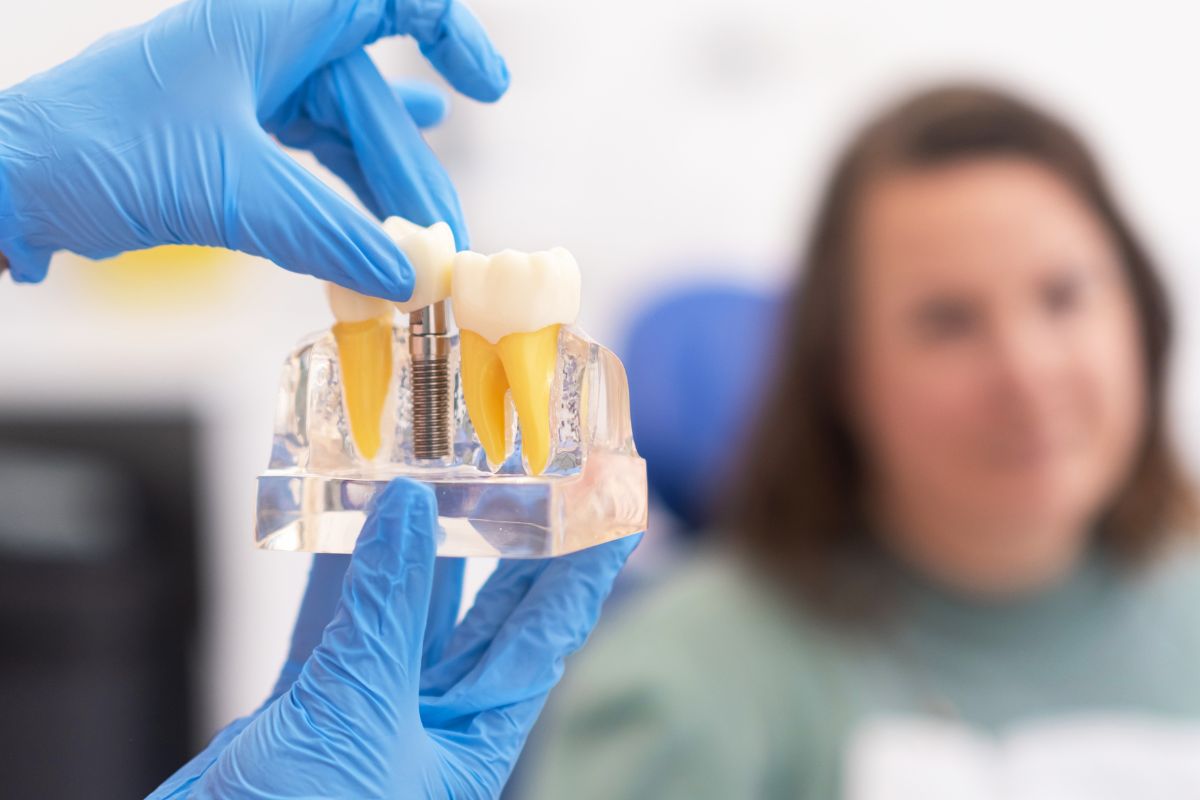
A dental implant is a small titanium post that replaces the root of a missing tooth. Once placed, it supports a crown, bridge, or denture, providing a natural-looking, functional tooth replacement. Dental implants are widely recognized as a long-term solution because they restore both appearance and function while helping maintain jawbone health.
Immediate Placement vs. Delayed Placement
Immediate placement involves placing a dental implant right after a tooth extraction. This approach can save time and reduce the number of procedures needed. Patients often benefit from a faster restoration, allowing for improved aesthetics and function sooner. However, immediate placement requires a thorough assessment of the extraction site. The jawbone must be healthy and strong enough to support the implant. If there are concerns about stability or infection risk, this option may not be recommended.
Delayed placement, on the other hand, allows the extraction site to heal before an implant is placed. This healing period gives the jawbone time to recover and regenerate, which can improve long-term success in certain cases. The downside is that waiting too long may lead to bone loss, making future implant placement more challenging.
Since every patient’s situation is different, it is important to discuss your options with your dentist to determine the best approach for your oral health.
Factors That Affect Implant Timing
Several factors determine whether you can get an immediate implant or need to wait:
-
Bone quality and quantity: Healthy, dense bone is ideal for immediate implants.
-
Type of tooth extracted: Front teeth often heal differently from molars.
-
Infection or decay: Sites with infection may need extra healing time.
-
Overall health: Conditions such as diabetes or smoking can affect healing.
-
Gum and soft tissue health: Healthy gums improve the success of immediate implants.
Your dentist at Syosset Dental will carefully evaluate these factors before recommending the best timing for your dental implant treatment.
Why Timing Matters for Dental Implants
Dental implants act as replacement tooth roots, fusing with your jawbone to provide stable, long-lasting support. Because of this, the timing of implant placement is crucial for successful integration.
Dentists typically follow two main approaches:
-
Immediate placement: The implant is inserted right after tooth extraction, which can save time and help maintain the natural shape of your gums and bone.
-
Delayed placement: The extraction site is allowed to heal for several months before the implant is placed, giving the jawbone time to recover and regenerate.
Both methods have their benefits and potential challenges. Your dentist will evaluate your oral health, bone condition, and overall needs to determine the best timing for your dental implant.
Ready to Restore Your Smile with Dental Implants?
If you’re considering dental implants after a tooth extraction, start with a personalized consultation. At Syosset Dental, our experienced team provides advanced treatment options and expert guidance to help you restore your smile safely and effectively.
Contact us today in Syosset, NY, and take the first step toward a natural-looking, long-lasting smile. Your journey to a complete, healthy smile begins here!
FAQs About Implants After Extractions
1. Can every tooth extraction site receive an immediate implant?
Not always. The dentist must evaluate bone density, gum health, and any infection before recommending immediate placement.
2. How long does it take to get a crown after an implant?
Typically, the healing period is 3 to 6 months. This allows the implant to fuse securely with the jawbone.
3. Is getting an immediate implant more painful?
Pain levels are usually similar to those of a standard extraction or a delayed implant. Local anesthesia and proper care make the process comfortable.
4. What is the success rate of immediate dental implants?
With proper planning and healthy bone, success rates are high, often over 95%.
5. Can I eat normally after an immediate implant?
Soft foods are recommended during healing. Once fully healed, you can enjoy most foods without issues.
6. Are there alternatives if immediate implants are not possible?
Yes, delayed implants, bridges, or partial dentures are options depending on your needs.
7. How do I care for my implant after extraction?
Maintain good oral hygiene, avoid smoking, follow your dentist’s instructions, and attend regular checkups to ensure long-term success.