


Waking up tired after a full night of sleep can feel frustrating and confusing. For many patients, sleep apnea is the hidden reason behind poor sleep, low energy, and ongoing health concerns. This condition affects breathing during sleep and often goes unnoticed for years.
A common question that arises is simple but important. Can sleep apnea actually be cured? The answer depends on the type of sleep apnea and the treatment approach. Let us explore what sleep apnea is and the treatment options that can truly make a difference.
Understanding Sleep Apnea and Its Impact
Sleep apnea is a sleep disorder where breathing repeatedly stops and starts during sleep. These pauses can last seconds or even minutes and may happen many times each hour. Over time, this disrupts sleep quality and lowers oxygen levels in the body.
Untreated sleep apnea can affect focus, mood, heart health, and overall well-being. That is why early diagnosis and proper treatment matter more than many people realize.
Types of Sleep Apnea
There are different forms of sleep apnea, and each has its own causes and solutions.
Obstructive Sleep Apnea
This is the most common type. It happens when the airway becomes blocked during sleep because the throat muscles are relaxed. Snoring and gasping for air are common signs.
Central Sleep Apnea
This form occurs when the brain does not send proper signals to control breathing. It is less common but often linked to medical conditions affecting the nervous system.
Complex Sleep Apnea
This type is a mix of both obstructive and central sleep apnea. It may appear during treatment for obstructive sleep apnea. With proper guidance and adjustments, many patients experience significant relief and better long-term sleep health.
Can Sleep Apnea Be Cured?
There is no single answer that fits everyone. Some cases of sleep apnea can be greatly improved or even resolved with the right treatment and lifestyle changes. Other cases require long-term management.
The good news is that modern treatments are effective and continue to improve. Many patients experience better sleep, more energy, and improved overall health once they begin treatment.
Common Treatment Options for Sleep Apnea
Sleep Apnea Treatment depends on the severity of the condition and the underlying cause. A dental professional can work closely with sleep specialists to guide care.
Lifestyle Changes That Support Better Sleep
For mild cases, simple changes can have a strong impact. Maintaining a healthy weight, improving sleep posture, and reducing alcohol intake may help reduce symptoms. These changes often support other treatments rather than replace them.
Oral Appliance Therapy
Oral appliances are custom-made devices worn during sleep. They help keep the airway open by gently repositioning the jaw or tongue. Many patients find them comfortable and easy to use.
Dentists play a key role in providing these appliances. With proper guidance, patients receive personalized care designed to support both oral health and sleep quality.
Continuous Positive Airway Pressure Therapy
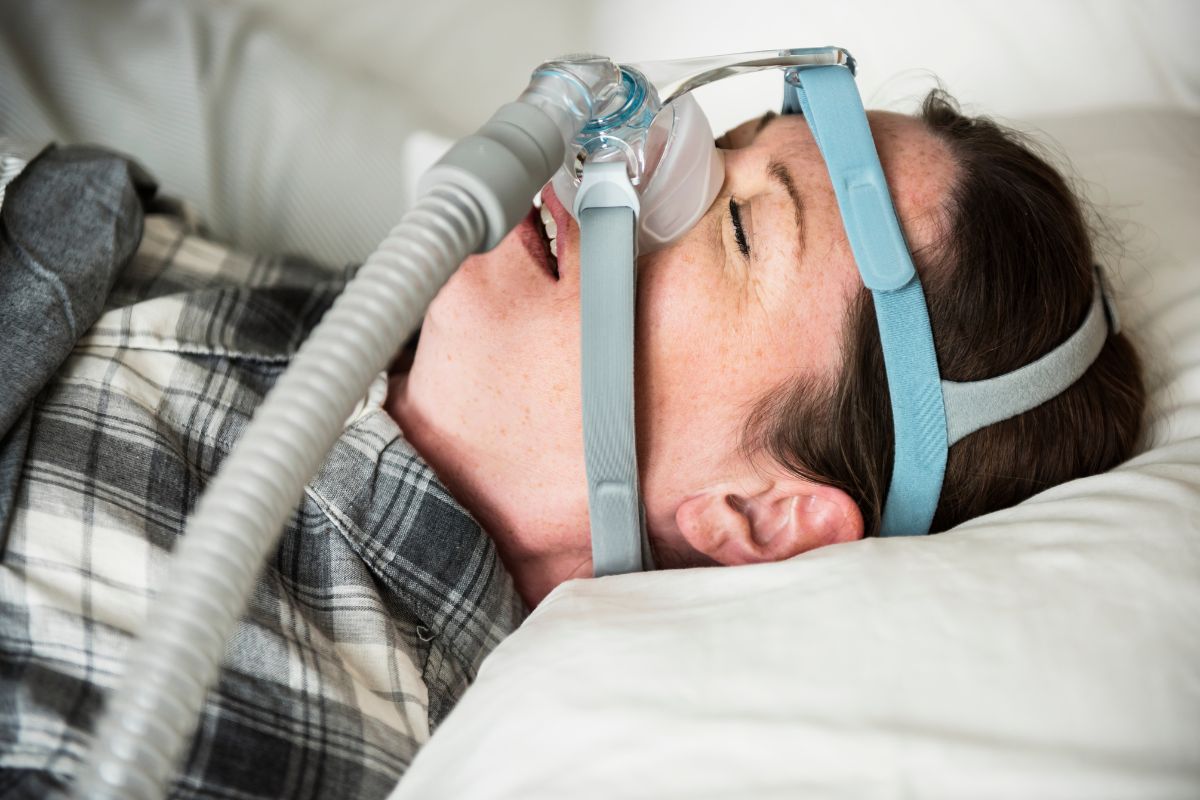
CPAP therapy uses a machine that delivers steady air pressure through a mask. It keeps the airway open during sleep and is highly effective for moderate to severe sleep apnea. While some patients need time to adjust, consistent use can greatly improve sleep.
Surgical Treatment Options
In some cases, surgery may be recommended to remove or correct tissue that blocks the airway. This option is usually considered when other treatments are ineffective or unsuitable.
Why Dental Care Matters in Sleep Apnea Treatment
Dental care plays an important role in treating sleep apnea because the jaw, tongue, and teeth affect the airway during sleep. Dentists can identify signs of airway issues during routine exams, such as jaw misalignment or tooth wear from grinding. Dental professionals also provide custom oral appliances that help keep the airway open by gently repositioning the jaw. Regular dental visits ensure these devices fit properly and continue to support healthy breathing. This personalized approach helps improve sleep quality and long-term treatment success.
Take the Next Step Toward Better Sleep
Sleep apnea may not always have a simple cure, but effective treatment options are available. The key is early diagnosis and a personalized care plan. With proper treatment, better sleep and improved health are within reach.
Syosset Dental in Syosset, NY, is committed to helping patients understand their sleep health and explore dental treatment options. If you are experiencing ongoing fatigue or suspect sleep apnea, taking action can change more than just your nights.
FAQs About Sleep Apnea Treatment
1. Can sleep apnea go away on its own?
Sleep apnea rarely resolves without treatment. Symptoms may improve with lifestyle changes, but professional care is often needed for lasting relief.
2. Is sleep apnea a serious condition?
Yes, untreated sleep apnea can increase the risk of heart issues, daytime fatigue, and other health concerns. Early treatment helps reduce these risks.
3. How do dentists help with sleep apnea?
Dentists can provide oral appliances that help keep the airway open during sleep. They also monitor jaw alignment and airway space.
4. Are oral appliances comfortable to wear?
Most patients find oral appliances comfortable after a short adjustment period. They are custom-fitted for better comfort and effectiveness.
5. Can children have sleep apnea?
Yes, children can develop sleep apnea. Enlarged tonsils and airway structure are common factors, and early evaluation is important.
6. How long does treatment take to work?
Many patients notice improvements within weeks of starting treatment. Consistent use is key to long-term benefits.
7. Do I need a sleep study to confirm sleep apnea?
Yes, a sleep study is usually required to diagnose sleep apnea and determine the best treatment approach.