



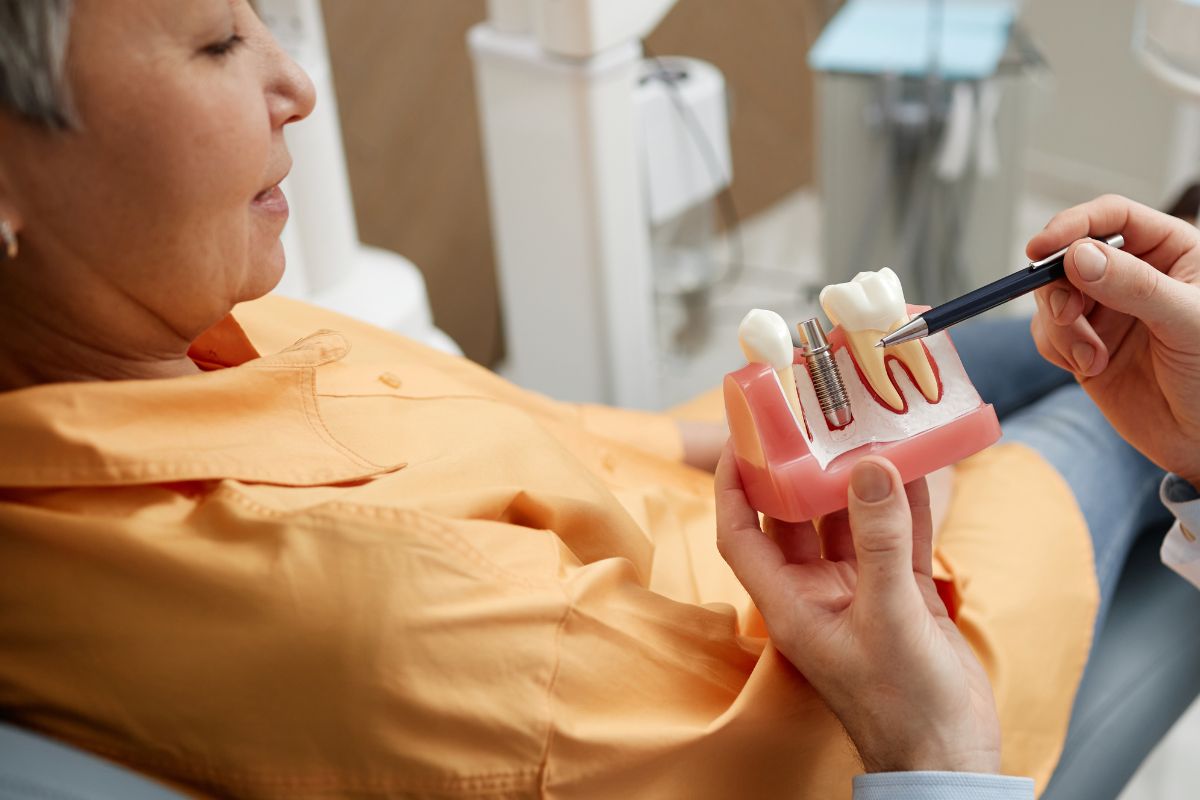
Daily life becomes more enjoyable when you can eat comfortably, speak clearly, and smile with confidence. However, for many seniors, missing teeth and jawbone loss can make those simple moments more difficult. Whether it’s avoiding favorite foods or feeling self-conscious in conversations, tooth loss can affect both oral health and quality of life.
Many older adults believe that bone loss automatically prevents them from getting dental implants. Fortunately, modern dentistry has changed that. Today, advanced implant techniques and restorative procedures allow many seniors with bone loss to successfully receive dental implants and regain a healthier smile.
Understanding Why Jawbone Loss Happens
Jawbone loss is a common issue that often develops after tooth loss. Natural tooth roots stimulate the jawbone whenever you chew or bite. Once a tooth is missing, that stimulation stops, causing the bone in that area to gradually shrink.
Several factors can contribute to bone deterioration, including:
- Missing teeth for an extended period
- Advanced gum disease
- Long-term denture use
- Injury or trauma to the jaw
- Osteoporosis and certain medical conditions
- Poor oral hygiene habits
As bone loss progresses, it may affect facial structure, create a sunken appearance around the mouth, and make it more difficult to support replacement teeth.
Why Healthy Bone Structure Matters for Dental Implants
Dental implants are designed to function like natural tooth roots. During the procedure, a titanium implant post is placed into the jawbone, where it gradually fuses with the surrounding bone through a process called osseointegration.
This strong connection provides a stable foundation for crowns, bridges, or dentures. For successful implant placement, the jawbone needs enough density and volume to support the implant securely.
If the bone is too weak or thin, additional treatment may be needed before implants can be placed safely. However, bone loss does not automatically disqualify someone from implant treatment.
Are Dental Implants Still Possible With Bone Loss?
Yes, many seniors with bone loss can still successfully receive dental implants. Advances in implant dentistry have made it possible to rebuild or strengthen areas where bone has diminished.
Every patient’s situation is unique, which is why a detailed dental evaluation is essential. Dentists use digital imaging and comprehensive examinations to assess bone levels, oral health, and overall treatment goals before recommending the best approach.
Modern Treatment Options for Seniors With Bone Loss
Several advanced procedures can help seniors become candidates for dental implants, even if significant bone loss has occurred.
Bone Grafting Procedures
Bone grafting is one of the most common techniques used to rebuild the jawbone. During this procedure, bone material is placed in areas where the jawbone has weakened or shrunk.
Over time, the graft integrates with the natural bone and encourages new bone growth. This creates a stronger foundation capable of supporting dental implants.
Although healing may take several months, bone grafting can significantly improve implant success rates and long-term stability.
Sinus Augmentation for Upper Jaw Implants
When bone loss occurs in the upper jaw, particularly near the molars, there may not be enough bone height to support implants. In these situations, a sinus lift may be recommended.
This procedure gently raises the sinus membrane and places bone material beneath it to increase bone volume in the upper jaw. Once healed, the area can better support dental implants.
Sinus augmentation has helped many patients qualify for implants who might not otherwise have been candidates.
Mini Dental Implants
Mini dental implants are smaller than traditional implants and may work well for patients with lower bone density. Because of their smaller size, they often require less invasive placement and may involve a shorter recovery period.
Mini implants are commonly used to stabilize dentures and can provide improved comfort and function for some seniors. However, they may not be suitable for every situation, depending on individual oral health needs.
Implant-Supported Dentures
For seniors experiencing extensive tooth loss and bone deterioration, implant-supported dentures can offer a more secure alternative to traditional removable dentures.
Instead of relying entirely on the gums for support, these dentures attach to strategically placed implants. This added stability helps reduce slipping, clicking, and discomfort while eating or speaking.
Many patients appreciate the increased confidence and improved chewing ability that implant-supported dentures provide.
Benefits of Dental Implants for Older Adults
Even when bone loss is present, dental implants offer several important advantages for seniors.
Improved Stability and Comfort
Unlike traditional dentures, implants remain securely in place. This stability makes everyday activities like eating, speaking, and laughing feel more natural and comfortable.
Better Jawbone Preservation
Dental implants help stimulate the jawbone similarly to natural tooth roots. This stimulation can slow or prevent additional bone loss over time, helping maintain facial structure and oral health.
Enhanced Confidence
Many seniors feel more confident after restoring missing teeth with implants. A complete smile can improve self-esteem and make social interactions more enjoyable.
Long-Term Durability
With proper care and regular dental visits, implants can last for many years. Their durability makes them a worthwhile long-term investment in oral health and overall quality of life.
Important Factors to Consider Before Implant Treatment
Although many seniors qualify for dental implants, certain factors should still be evaluated carefully before beginning treatment.
Overall Health
General health plays an important role in healing and recovery. Conditions such as diabetes, osteoporosis, or autoimmune disorders may require additional planning, but they do not necessarily prevent implant treatment.
Lifestyle Habits
Smoking and tobacco use can interfere with healing and increase the risk of implant complications. Patients may be encouraged to reduce or stop smoking to improve treatment outcomes.
Treatment Timeline
Some procedures, such as bone grafting or sinus lifts, require healing periods before implants can be placed. While this may extend the treatment timeline, proper healing helps create a more successful and stable result.
Oral Hygiene Commitment
Good oral hygiene is essential for maintaining healthy implants. Patients should be prepared to brush, floss, and attend routine dental checkups regularly.
Caring for Dental Implants After Treatment
Dental implants require consistent care to remain healthy and functional. Fortunately, caring for implants is very similar to maintaining natural teeth.
Patients should:
- Brush twice daily
- Floss regularly
- Attend professional dental cleanings
- Avoid smoking
- Follow all post-treatment instructions
Maintaining healthy gums and bone tissue is essential for preserving implant stability and long-term success.
Restore Your Missing Teeth With Advanced Implant Solutions
Bone loss may be common with aging, but it does not have to prevent you from restoring your smile. Thanks to modern advancements in implant dentistry, many seniors can still enjoy the benefits of secure, natural-looking tooth replacement.