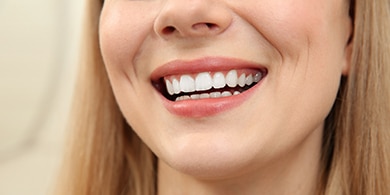

Tooth Discoloration and Health: Understanding What Your Smile Is Telling You

Tooth Discoloration Treatment


Your smile can reveal more about your health than you may realize. Tooth discoloration is not always just a cosmetic concern; it can signal underlying issues related to hygiene, diet, lifestyle habits, enamel strength, or even medical conditions. Many individuals in Syosset notice their teeth changing color over time but are unsure why or how to address it. Understanding the meaning behind these changes helps you protect your oral health and restore a confident, radiant smile.

Understanding Teeth Discoloration

Tooth discoloration appears in various shades and patterns. Some stains develop on the tooth’s outer surface due to external factors. Other discoloration occurs internally, affecting the layers beneath the enamel. Identifying whether the change is external or internal helps determine the proper treatment approach and prevents guessing or choosing the wrong products.

Common Causes of Tooth Discoloration

Discoloration rarely happens overnight. It develops gradually and is influenced by daily habits and health conditions.

Impact of Daily Diet Choices

How diet affects tooth color is a significant factor. Dark beverages like coffee, cola, and red wine, as well as intensely pigmented foods, can stain enamel over time. Acidic foods can cause enamel erosion, making the teeth appear more yellow as the underlying dentin shows through.

Lack of Consistent Oral Care

Skipping brushing, flossing, or routine cleanings leads to plaque and tartar buildup. These deposits trap stains and bacteria, making discoloration appear deeper and more complex to remove without professional care.

Effects of Tobacco and Smoking

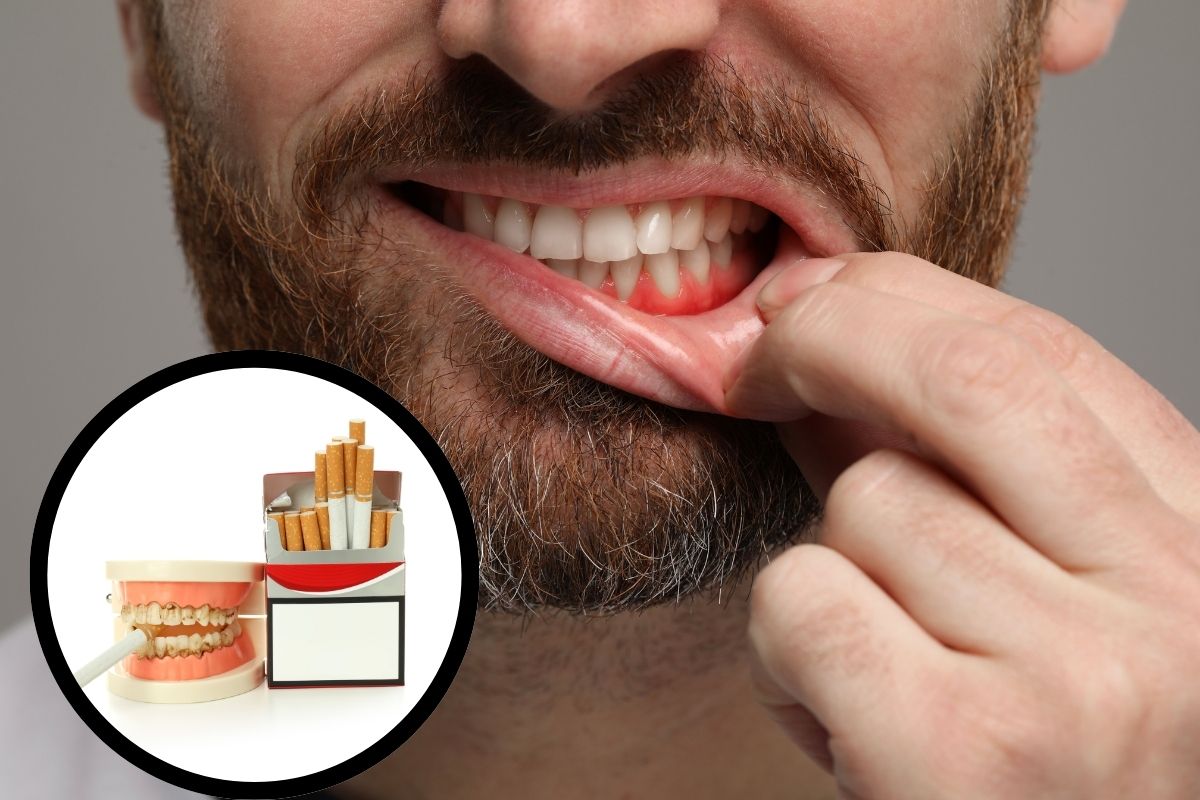
Smoking or chewing tobacco causes stubborn brown and yellow stains. Tar and nicotine can quickly absorb into enamel, often making staining more intense than other lifestyle habits that affect tooth color.

Underlying Medical or Health Conditions

Certain medications, past trauma, hormonal changes, and age-related enamel thinning also contribute to discoloration. These factors often affect enamel health and discoloration from the inside, requiring more advanced solutions than whitening toothpaste.

What Your Smile Reveals About Your Health

Tooth color shifts may indicate gum inflammation, mineral loss, or enamel weakness. That’s why regular dental checkups for tooth discoloration are essential. If concerns persist, speaking with a family dentist can help determine the root cause and the best next steps.

Decoding Tooth Discoloration

Different colors often tell different stories about what is happening in your mouth.

The Truth Behind Yellow-Toned Teeth

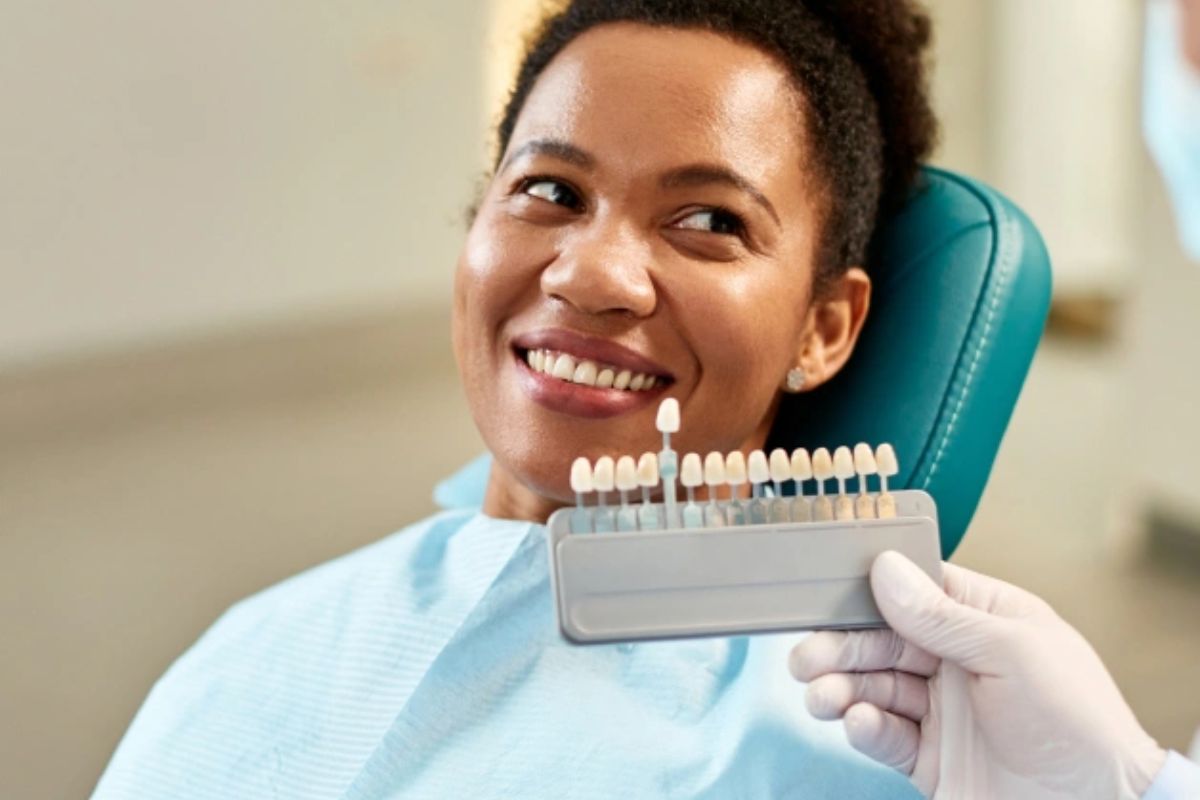
Yellow tones typically appear when enamel becomes thin or worn. The dentin layer beneath is naturally yellow. Strengthening enamel through mineral-rich treatments is often just as crucial as whitening.

Brown Stains: Coffee, Tea, and Tobacco

Brown stains are usually external. They cling to the surface due to routine consumption of staining foods and beverages. These stains can often be improved effectively through polishing and professional teeth whitening treatment.

Greys, Whites, and Other Colors

Greyish discoloration may indicate past trauma or internal nerve damage. Chalky white spots may suggest early enamel demineralization. These types of discoloration require evaluation by a professional before choosing a whitening approach.

Will the Stains Fade? Learning the Difference Between Stain Types

Extrinsic stains on enamel typically respond well to whitening treatments and improved hygiene. Intrinsic stains, however, are internal and do not fade with over-the-counter products. This is often when individuals seek guidance from a dentist in Syosset to identify stain type and create a custom care plan properly. If enamel thinning is a factor, a dentist in Syosset may recommend strengthening and protective treatments before cosmetic whitening to avoid sensitivity or uneven results.

Taking the Initial Step Toward Whiter Teeth

There are different ways to brighten a smile depending on the cause of discoloration.

Natural Remedies

  • Rinse after consuming staining beverages

  • Brush with fluoride toothpaste twice daily

  • Drink more water to reduce acid wearing down enamel

Natural methods can help maintain shade, but do not dramatically reverse stains.

Professional Treatments

  • In-office whitening treatments

  • Custom take-home whitening trays

  • Veneers for stubborn or internal discoloration

  • Enamel-remineralizing treatments to improve structure

Professional guidance ensures safe, noticeable, and lasting results.

Tooth discoloration is more than a cosmetic issue. It reflects daily habits, enamel strength, and overall oral health. By understanding what your smile is communicating, you can make informed decisions to protect your teeth and enhance their natural brightness. When discoloration becomes noticeable, early attention can help prevent more serious concerns and maintain your confidence in your smile.

Bring Back Your Smile in Syosset, NY

Schedule your personalized whitening evaluation at Syosset Dental today and take the first step toward a healthier, brighter, and more confident smile.

FAQs About Tooth Discoloration and Health

  1. Can yellow teeth become white again?
    Yes, professional whitening and enamel-strengthening treatments can help restore brightness.

  2. Does coffee cause stains on teeth?
    Yes, coffee contains pigments that cling to enamel and darken teeth over time.

  3. Can enamel erosion make teeth look darker?
    Yes, enamel erosion exposes the darker dentin beneath, changing tooth color.

  4. Is smoking a major cause of tooth discoloration?
    Yes, nicotine and tar create deep stains that are difficult to remove without professional care.

  5. Are whitening toothpastes enough for brightening teeth?
    They help with surface stains but cannot treat deeper discoloration.

  6. Do health conditions affect tooth color?
    Yes, medication, illness, and aging can all influence tooth shade.

  7. How often should I get professional whitening?
    Most patients see the best results when whitening once or twice per year.

How Age Affects Tooth Color – Whitening Tips for Adults in Syosset


Teeth Whitening for Adults


As we age, changes occur throughout the body, and our teeth are no exception. Many adults notice their teeth gradually darkening or developing a yellow tint. This is a normal part of the aging process, but it can affect confidence and how we present ourselves. Individuals in Syosset often search for ways to brighten their smiles without harming their teeth, and understanding the cause of these color changes is the first step. With the right approach, adults can enjoy a whiter, healthier smile at any age.

Understanding Why Teeth Change Color with Age

Teeth have multiple layers, and the outermost layer, the enamel, becomes thinner as we get older. Beneath the enamel lies a yellowish material called dentin. When enamel wears down, the dentin becomes more visible, resulting in a darker or more yellow tooth appearance. Additionally, years of exposure to foods, beverages, and lifestyle habits build stains that settle deep into the tooth surface.

Common Causes of Tooth Discoloration in Adults

Aging is not the only reason for discoloration. Many adults experience yellow or stained teeth due to:

  • Coffee, tea, and wine consumption

  • Smoking or tobacco use

  • Certain medications

  • Poor oral hygiene habits

  • Naturally darker dentin as part of genetics

These factors contribute to aging and tooth discoloration, making adult teeth more likely to appear dull or stained compared to youthful teeth.

How Enamel Wear Affects Tooth Shade Over Time

The Natural Thinning of Enamel

Over decades, everyday chewing and brushing can gradually thin enamel. This is a normal process, but it increases dentin visibility.

Increased Tooth Porosity

As enamel becomes more porous, stains can absorb more deeply and become harder to remove with regular brushing.

Impact on Sensitivity

Worn enamel can also make teeth more sensitive, which adults often notice when considering whitening treatments.

The Role of Diet and Lifestyle in Tooth Staining

Staining Foods and Beverages

Dark-colored beverages like iced coffee and red wine are major contributors to tooth staining. Spices and berries can also stain enamel.

Tobacco and Vaping

Smoking introduces tar and nicotine to the mouth, which causes severe discoloration over time. Even vaping can affect tooth shade.

Hydration and Saliva

Staying hydrated helps saliva naturally cleanse the mouth and reduce plaque buildup. Dehydration allows stains to settle more easily.

Practicing mindful habits plays a vital role in keeping your teeth bright.

Whitening Treatment Options for Adults in Syosset

Adults have several options for brightening their smile. Whitening treatments for seniors and middle-aged adults focus on strengthening enamel while removing deep-set stains. The right choice depends on the level of discoloration, sensitivity, and cosmetic goals. Professional dental whitening options are often preferred because they deliver even, lasting results.

At-Home Whitening vs. Professional Whitening

At-Home Whitening

Over-the-counter strips, whitening toothpaste, and home kits offer mild improvement. These can help maintain brightness but often take longer and may not remove deep stains.

Professional Whitening

In-office whitening provides faster and more noticeable results. A dentist uses special whitening gels and protective techniques to ensure safety and comfort. This is where teeth whitening treatment offers the most effective shade improvement, especially for adults who have enamel wear.

For Adults with Sensitivity

Whitening sensitivity solutions are available to reduce discomfort during the whitening process. A dentist ensures that the gums and enamel are protected.

How to Maintain Whitened Teeth for Long-Lasting Results

Once you achieve a brighter smile, maintaining it is key:

  • Brush and floss twice daily

  • Minimize consumption of staining beverages

  • Drink water after meals and drinks

  • Use a whitening touch-up kit when needed

  • Schedule routine dental cleanings

Following proper before-and-after whitening care helps your results last longer. In some cases, a follow-up teeth whitening treatment can also help maintain your desired shade over time.

When to Visit a Cosmetic Dentist in Syosset, NY

Visit a cosmetic dentist if you:

  • Notice yellowing or darkening teeth

  • Want more visible whitening results

  • Experience sensitivity during whitening attempts

  • Prefer a professional evaluation before choosing a whitening option

A skilled provider helps find the safest and most effective whitening method based on enamel condition and oral health needs. For personalized adult whitening solutions, schedule your visit with Syosset Dental. Our team provides professional, comfortable whitening care designed for lasting results.

Aging does not mean giving up a bright and confident smile. By understanding how tooth color changes over time and choosing the right whitening approach, adults can achieve natural-looking, healthy results. Whether mild discoloration or deeper staining is present, a tailored whitening plan can effectively restore your smile’s brightness.

FAQs About Adult Teeth Whitening

  1. Why do teeth get darker as we age?
    Enamel wears down over time, making the yellow dentin more visible.

  2. Can adults safely whiten their teeth?
    Yes, professional whitening is safe when guided by a dental provider.

  3. Do whitening treatments work for deep stains?
    Professional whitening is more effective for deep discoloration.

  4. Is whitening painful for sensitive teeth?
    Sensitivity solutions and gentle whitening methods are available.

  5. How long do whitening results last?
    Results vary but can last months with proper care.

  6. Are over-the-counter whitening kits effective?
    They can lighten surface stains but are less effective on deeper stains.

  7. When should I see a cosmetic dentist?
    When you want noticeable, even, and long-lasting whitening results.

Stop Hiding Bad Breath with Chewing Gum – Find Out What’s Really Behind It

halitosis solutions

Bad breath can affect confidence, social comfort, and daily interactions. Many individuals experience persistent breath odor and often turn to chewing gum or mints for quick relief. While gum may offer a short burst of freshness, it does not address the real source of the problem. To restore long-lasting, fresh breath, it is essential to understand what causes breath odor and how to address it at its root. Once you know the underlying factors, you can make meaningful changes that support oral health and confidence.

What Causes Bad Breath?

Bad breath, also known as halitosis, results from an imbalance of oral bacteria and odor compounds inside the mouth. Certain bacteria feed on food particles left behind, producing sulfur-like smells. Poor dental hygiene habits allow these bacteria to thrive and multiply. In addition, dry mouth and bad breath often go hand in hand because saliva helps wash away bacteria. When the mouth is dry, bacteria and odor can build up quickly.

Medical conditions, sinus issues, dehydration, high-sugar diets, and smoking can all contribute to persistent breath odor. To improve your breath long-term, you need to identify which of these causes is affecting you.

Chewing Gum Is Not the Real Solution

Chewing gum can stimulate saliva, which may temporarily reduce odor. However, gum only masks the problem rather than solving it. Flavored gum does not remove bacteria, cleanse the tongue, or address chronic halitosis. In many cases, gum containing artificial sweeteners can also contribute to dryness over time. If breath odor returns quickly after gum use, it is a clear sign that the underlying issue still needs attention.

Fix the Source, Instead of Masking the Symptoms

Fresh breath begins with a clean and healthy mouth. By making a few consistent changes to your daily routine, you can prevent odor from developing and improve the role of saliva in oral health.

Clean Your Tongue Daily

The tongue harbors bacteria more than any other area of the mouth. A tongue scraper or soft brushing removes the film that contributes to odor.

Stick to a Steady Brushing and Flossing Routine

Brushing twice daily and flossing once daily removes food debris and bacteria before they produce odor-causing compounds. A professional dental cleaning can remove buildup that brushing cannot.

Choose a Mouth Rinse Designed for Your Needs

Use a non-alcohol antibacterial rinse to reduce harmful bacteria. Alcohol-based rinses can worsen dehydration and oral dryness, intensifying bad breath.

Stay Hydrated to Support Saliva Flow

Water helps maintain moisture levels and prevents dry mouth. Hydration supports the natural cleansing ability of saliva.

Schedule Consistent Dental Checkups

The importance of routine dental checkups cannot be overstated. Regular visits help catch early signs of infection, plaque buildup, and gum problems that can lead to odor. An experienced dentist can also provide personalized treatment plans based on your oral health needs.

When You Should Consult a Dental Professional

If bad breath persists even after improving hygiene, hydration, and diet, it may be due to gum disease, tooth decay, throat issues, or medication-related dryness. In these cases, a professional evaluation is needed. A dental professional can examine the gums, check for pockets of infection, clean areas below the gumline, and recommend treatments that permanently reduce odor.

Suppose halitosis continues and you’re unsure what’s causing it. In that case, this is the right time to speak with a dental professional who understands your concerns and can guide you toward effective, long-lasting solutions. If you are from Syosset, schedule your appointment with Syosset Dental today to identify the cause of your bad breath and receive personalized, durable solutions for fresh breath and strong oral health.

FAQs About Halitosis Solutions

  1. Can dry mouth cause bad breath?
    Yes, lack of saliva allows odor-causing bacteria to grow.

  2. Does brushing alone fix bad breath?
    No, brushing helps, but tongue cleaning and flossing are also essential.

  3. Can dehydration make my breath smell worse?
    Yes, dehydration reduces saliva and increases odor.

  4. Does poor hygiene always cause bad breath?
    Not always. Medical conditions and diet can also contribute.

  5. Do alcohol-based mouthwashes help?
    No, they can worsen dryness and make odor stronger.

  6. How often should I schedule dental cleanings?
    Every six months, or more often if recommended by your dentist.

  7. Can gum disease cause persistent bad breath?
    Yes, gum infection is a significant source of chronic halitosis.

Avoid Infection & Save Your Tooth: Benefits of Root Canal Treatment


Root Canal Treatment in Syosset


Your smile affects more than your appearance. It influences how you speak, eat, and feel each day. When a tooth becomes infected or severely damaged, it can cause pain, sensitivity, and swelling that affects your daily comfort. Many people assume that removing the tooth is the only option, but modern dentistry provides a better solution that preserves your natural smile. Root canal therapy is a proven procedure that eliminates infection while saving the natural tooth.

What Is a Root Canal?

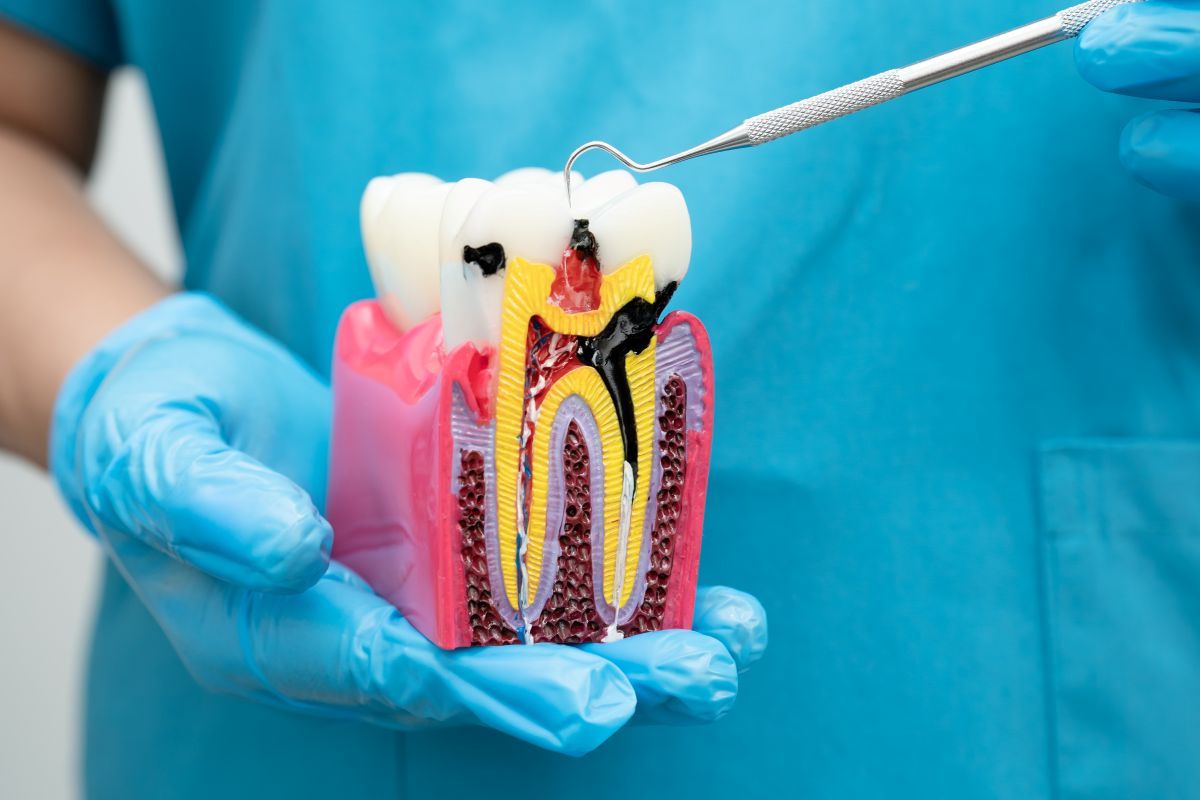
A root canal is a dental procedure that removes infected or damaged pulp from inside a tooth. The pulp is the soft tissue that contains nerves and blood vessels. When this area becomes infected, the tooth can become extremely sensitive or painful. The treatment cleans the inner chamber, disinfects it and seals it to prevent bacteria from returning. A dental crown is usually placed afterward to restore strength and function.

This procedure is designed to save your natural tooth structure and prevent infection from spreading to the surrounding areas.

What Causes the Need for Root Canal Treatment?

Root Canal Treatment is recommended when the pulp inside the tooth becomes infected or inflamed. Some of the most common causes include:

  • Severe Tooth Decay: Cavities that reach the tooth’s inner layer.

  • Cracked or Chipped Teeth: Damage caused by accidents or grinding.

  • Repeated Dental Procedures: Multiple treatments on the same tooth can weaken it.

  • Deep Fillings: Restorations that are very close to the nerve.

  • Trauma or Injury: Even without a visible crack, trauma can still harm the pulp.

When these issues occur, you may notice signs of a tooth infection, such as throbbing pain, sensitivity to hot or cold, swollen gums, or discomfort when biting.

The Benefits of Root Canal Treatments

Choosing a root canal over extraction offers numerous long-term benefits:

  • Saves Your Natural Tooth: Preserves the tooth instead of removing it.

  • Stops Infection From Spreading: Prevents infection from reaching the jaw or nearby teeth.

  • Relieves Pain: Eliminates the discomfort caused by damaged or infected pulp.

  • Protects Your Tooth Structure: Keeps your bite and natural alignment intact.

  • Avoids Tooth Loss-Related Problems: Prevents shifting teeth and the need for implants or bridges.

Many patients are relieved to learn that root canal treatment is comfortable and performed with modern techniques.

How to Care for a Tooth After a Root Canal

Caring for your restored tooth ensures it remains strong and functional for many years. Here’s how:

  • Use a Dental Crown After Treatment: A crown strengthens the tooth and prevents future cracks.

  • Practice Daily Oral Hygiene: Brush twice a day and floss daily to protect your gums.

  • Avoid Chewing Hard Foods on the Treated Tooth Until Crown Placement: This prevents potential fractures.

  • Schedule Follow-Up Visits: Routine dental checkups help maintain long-term oral health.

  • Monitor for Any Changes: If you notice discomfort or pressure, contact your dentist right away.

Most patients resume normal activities quickly, and results are long-lasting when proper care is maintained.

Consulting a Professional Dentist in Syosset, NY

Syosset Dental offers personalized care, state-of-the-art technology, and a comfortable treatment experience to ensure your root canal procedure is smooth and stress-free. If you live in Syosset, don’t wait—schedule your visit today to protect your smile, relieve discomfort, and maintain long-term oral health.

FAQs About the Benefits of Root Canal Treatment

  1. Does a root canal hurt?
    No, modern techniques make the procedure comfortable, often relieving pain immediately.

  2. How long does a root canal take?
    Most treatments are completed in one to two visits.

  3. Will I need a crown afterward?
    Yes, a crown strengthens the tooth and prevents future damage.

  4. How do I know if I need a root canal?
    Persistent pain, sensitivity, or swelling may indicate an infection.

  5. Can a root canal stop tooth loss?
    Yes, it saves your natural tooth and prevents the need for extraction.

  6. How long does a root canal last?
    With a crown and good oral care, it can last many years.

  7. Is a root canal better than removing the tooth?
    Yes, saving your natural tooth preserves function, bite alignment, and appearance.

Top Halloween Dental Tips to Prevent Cavities and Tooth Damage

Halloween Candy

Halloween is an exciting time for kids and adults alike, filled with costumes, parties, and, of course, candy. While indulging in sweet treats is part of the fun, it can take a toll on your oral health if you don’t take precautions.  Maintaining a healthy smile during the Halloween season is possible with the right strategies and guidance from an expert dentist. Knowing how to enjoy candy safely can prevent cavities, tooth damage, and long-term dental problems.

Healthy Candy Options for a Happy Smile

Not all candies are created equal when it comes to protecting teeth. Sticky, chewy, and sour candies can linger on enamel, increasing the risk of decay. Choosing healthier options like quickly melting chocolate, sugar-free candies, or nuts can reduce the impact of sugar on your teeth. These choices are easier to clean from the enamel, making it easier to maintain oral health. Opting for these treats helps you enjoy Halloween without worrying about harming your smile.

Enjoy Candy in Moderation

Even when selecting healthier candy, moderation is essential. Eating large amounts of sugar in a short period increases the likelihood of cavities. Spreading treats throughout the day rather than consuming them all at once allows saliva to neutralize acids and wash away food particles naturally. Families can set reasonable limits for children, helping them understand the importance of balanced consumption while still enjoying Halloween.

Protect Your Teeth with Good Oral Care

Maintaining daily oral hygiene is crucial, especially during candy-heavy holidays. Brush at least twice a day with fluoride toothpaste and floss once daily to remove sugar and plaque buildup. Encourage children to brush thoroughly after indulging in sweets, and adults should also remain vigilant about their own dental routines. Good oral care habits not only prevent cavities but also protect gums and enamel from damage, ensuring a healthy smile beyond Halloween.

Drink Water

Water is one of the simplest and most effective ways to protect teeth during Halloween. Drinking water after eating candy helps wash away sugar, neutralizes harmful acids, and promotes saliva production. Staying hydrated supports your body’s natural defenses against decay. Opting for water over soda or other sugary beverages is a wise choice to maintain dental health while enjoying holiday treats.

Schedule a Post-Halloween Dental Check-Up In Syosset, NY

After Halloween festivities, scheduling a dental check-up is a proactive step to ensure your teeth remain healthy. A professional cleaning removes any leftover sugar and plaque, while a dentist can spot early signs of cavities or enamel damage. Post-Halloween visits allow minor dental issues to be addressed before they escalate. In Syosset, patients can trust Syosset Dental for thorough check-ups to keep smiles strong and protected.

Enjoy Halloween While Protecting Your Teeth

With careful choices, moderation, and proper oral care, Halloween can be enjoyed without compromising dental health. By selecting healthier treats, brushing and flossing regularly, staying hydrated, and visiting your dentist after the holiday, you can celebrate safely. Taking these precautions ensures your teeth stay strong, your smile remains bright, and the holiday remains fun for everyone.

FAQs About Halloween and Dental Health

  1. Can I eat candy if I brush afterward?
    Yes, brushing after treats removes sugar and helps prevent cavities.

  2. Are chocolate candies safer than sticky candies?
    Yes, chocolate melts quickly and doesn’t stick to teeth like gummies or taffy.

  3. How often should I brush during Halloween?
    Brush twice daily and floss once daily, even on candy-heavy days.

  4. Does drinking water protect teeth from cavities?
    Yes, water washes away sugar and helps maintain healthy saliva flow.

  5. When should I schedule a post-Halloween dental visit?
    Within a week or two after Halloween, to catch early signs of decay.

  6. Are sour candies worse for teeth than regular candies?
    Yes, the acidity in sour candies can erode enamel faster than other sweets.

  7. Can sugar-free candy prevent tooth damage entirely?
    While safer, sugar-free candy should still be eaten in moderation with proper oral hygiene.

The Importance of Oral Cancer Screenings for Early Detection

oral cancer screenings syosset

When most people think about oral cancer, they often associate it with smoking, chewing tobacco, or heavy drinking. While these habits certainly increase the risk, the reality is that oral cancer can affect anyone — at any age. In recent years, there’s been a noticeable rise in cases among young adults who don’t fit the traditional risk profile, making awareness and prevention more important than ever.

That’s why routine oral cancer screenings have become an essential part of every dental check-up. These quick, comfortable, and non-invasive exams can spot early signs of trouble long before symptoms appear — giving you the best chance for successful treatment and long-term oral health.

What Is Oral Cancer?

Oral cancer refers to the abnormal growth of cells in the mouth, lips, tongue, throat, or surrounding tissues. It can develop silently, often without noticeable symptoms in its early stages. This makes routine screenings essential to catch any warning signs before the disease progresses. An experienced dentist can identify subtle changes that might not be visible or painful yet, enabling early intervention and better treatment outcomes.

Common Symptoms to Watch For

Oral cancer can appear in several ways and recognizing the early signs can make a big difference. Common symptoms include:

  • Persistent sores that don’t heal within two weeks

  • Red or white patches on the gums, tongue, or cheeks

  • Difficulty swallowing or speaking

  • Lumps or thickened areas inside the mouth

  • Chronic sore throat or hoarseness

If you notice any of these warning signs, it’s essential to visit a dentist near you as soon as possible for a comprehensive oral exam.

What Happens During an Oral Cancer Screening?

An oral cancer screening is quick, comfortable, and non-invasive. During your appointment, the dentist carefully examines your mouth, tongue, gums, throat, and neck for any irregularities. Specialized tools or lights may be used to detect changes beneath the surface that aren’t visible to the naked eye. The process usually takes only a few minutes but can be crucial for identifying cancerous or precancerous conditions early.

Benefits of Oral Cancer Screenings

Getting regular oral cancer screenings provides several significant benefits:

  • Early detection: Increases the success rate of treatment and recovery.

  • Peace of mind: Ensures that any abnormalities are caught before they progress.

  • Comprehensive care: Integrates seamlessly with your routine dental check-ups.

  • Improved overall health: Since oral cancer is often linked to other health conditions, screenings can reveal broader concerns.

Early Detection and Treatment

The earlier oral cancer is identified, the easier it is to treat. When caught early, treatment may be less invasive and more successful. Regular dental visits ensure that your dentist can monitor changes in your oral tissues over time, spotting any suspicious areas before they become serious. Early diagnosis not only saves smiles — it saves lives.

Prevention Through Awareness

Prevention starts with awareness. Avoiding tobacco, limiting alcohol consumption, maintaining a balanced diet, and practicing good oral hygiene all play key roles in lowering your risk of developing oral cancer. Regular dental check-ups and screenings also ensure that even the most minor abnormalities are addressed promptly.

Schedule an Oral Cancer Screening Today in Syosset, NY

Your oral health is an essential part of your overall wellness. Taking just a few minutes for a screening can make a lasting difference. If it’s been a while since your last dental exam, now is the perfect time to schedule your next visit. Contact Syosset Dental to book your oral cancer screening and take the first step toward a healthier, safer future with your trusted dentist in Syosset.

FAQs About Oral Cancer Screening

1. How often should I get an oral cancer screening?
Most dentists recommend an oral cancer screening once a year during your regular check-up.

2. Is an oral cancer screening painful?
No, it’s a quick and painless visual and physical exam performed by your dentist.

3. Who is most at risk for oral cancer?
Smokers, heavy drinkers, and individuals with HPV are at higher risk, though anyone can develop it.

4. Can oral cancer develop without symptoms?
Yes, that’s why regular screenings are so crucial for early detection.

5. Does insurance cover oral cancer screenings?
In most cases, yes — screenings are often included in preventive dental visits.

6. How can I reduce my risk of oral cancer?
Avoid tobacco, drink moderately, eat a healthy diet, and visit your dentist regularly.

7. What happens if my dentist finds something suspicious?

They may recommend further testing or refer you to a specialist for a biopsy or evaluation.

Complete Teeth Whitening Guide: Methods, Duration, and Care

Teeth Whitening and its care tips


A bright, white smile can boost confidence and leave a lasting impression. Nowadays, many people seek ways to enhance their teeth’s appearance, and professional teeth whitening has become a popular solution. Understanding how teeth whitening works, the options available, and the steps to maintain results is key to achieving a radiant smile. In addition to the treatment itself, proper oral hygiene and regular dental visits are essential to prolong the whitening effects.

Understanding Teeth Discoloration

Teeth can become discolored for several reasons. Common causes include consumption of coffee, tea, red wine, or foods with intense pigments. Smoking and tobacco use can also stain teeth over time. Additionally, certain medications, genetics, and aging contribute to enamel discoloration. Understanding the source of staining is essential for selecting the proper whitening method and predicting realistic results.

How Teeth Whitening Works

Teeth whitening treatments work by breaking down stains on the enamel and dentin layers of your teeth. Professional whitening products contain bleaching agents, usually hydrogen peroxide or carbamide peroxide, which penetrate the tooth surface to lift stains. This process lightens teeth effectively without harming the enamel when performed under professional supervision. Results vary based on the type of discoloration, the treatment method, and oral hygiene habits.

Teeth Whitening Options

Several teeth whitening options are available for patients:

At-Home Whitening Kits

Dentists may provide custom trays with professional-grade whitening gel. These kits allow patients to whiten teeth at home over several days or weeks. While slower than in-office treatments, they provide gradual, controlled results with reduced sensitivity.

Over-the-Counter Products

Whitening toothpastes, strips, and gels are widely available. These options are less potent than professional treatments and generally require more prolonged use to see results. They can be helpful in minor surface stains and for maintaining results after professional whitening.

In-Office Whitening

Performed at Syosset Dental, this method uses more potent bleaching agents and often includes light or laser activation. In-office treatments can produce noticeable results in a single visit, making it ideal for people preparing for special events or seeking fast results.

Considerations Before Whitening

Before starting any whitening treatment, it’s important to assess oral health. Patients with cavities, gum disease, or exposed roots should address these issues first. Teeth whitening may not be effective on crowns, veneers, or fillings, so expectations should be managed accordingly. Consulting a dentist in Syosset ensures the chosen method is safe and effective.

Maintaining Whitened Teeth

Proper maintenance can extend the longevity of your whitening results. Avoid foods and beverages that cause staining, such as coffee, tea, and red wine. Practice good oral hygiene, including brushing twice a day and flossing daily. Using a straw for dark beverages and rinsing with water afterward can also reduce discoloration. Regular dental check-ups help monitor your oral health and maintain your bright smile.

Transform Your Smile Today in Syosset, NY

Teeth whitening is a safe, effective way to enhance your appearance and boost confidence. By identifying the causes of discoloration, selecting the appropriate treatment, and maintaining results with proper oral care, patients can achieve a long-lasting, radiant smile. Schedule a consultation with Syosset Dental to explore teeth whitening options and achieve your dream smile today.

FAQs About Teeth Whitening

Q1: How long does teeth whitening last?
A1: Results typically last from six months to two years, depending on diet and oral care.

Q2: Is teeth whitening safe for children?
A2: Teeth whitening is generally recommended for adults; children should consult a dentist before any treatment.

Q3: Can teeth whitening damage enamel?
A3: Professional whitening is safe when supervised by a dentist and does not harm enamel.

Q4: How soon can I eat or drink after whitening?
A4: Avoid staining foods and drinks for at least 24–48 hours for optimal results.

Q5: Do whitening toothpastes really work?
A5: Whitening toothpastes remove surface stains but do not provide significant color changes like professional treatments.

Q6: Can I whiten teeth with crowns or fillings?
A6: Whitening affects natural teeth, not crowns or fillings. These restorations may need replacement for a uniform color.

Q7: How often should I whiten my teeth?
A7: Professional touch-ups every 6–12 months help maintain results, depending on lifestyle and oral habits.

Common Pediatric Dental Problems and How to Prevent Them

Pediatric dentist in Syosset

Ensuring children have healthy teeth is essential for their overall health and well-being. Pediatric dental care goes beyond daily brushing and flossing—it builds the foundation for lifelong oral health. Children are more susceptible to dental issues due to their growing teeth, eating habits, and sometimes irregular oral hygiene. Common dental problems and prevention strategies can significantly impact a child’s oral health. Regular visits to a dentist help detect and address issues early, keeping your kid’s smile healthy and vibrant.

Common Dental Problems in Kids

Children can face several dental issues that, if left untreated, may affect their overall oral development. The most common problems include:

Cavities (Tooth Decay)

Cavities are among the most frequent dental problems in children. They occur when plaque and bacteria accumulate on teeth, producing acids that erode the enamel. Cavities can cause pain, sensitivity, and even infection if left untreated.

Gum Disease (Gingivitis)

Gum inflammation, known as gingivitis, can affect children when plaque builds up along the gumline. Early-stage gum disease is reversible, but if left untreated, it can progress to more severe conditions that affect permanent teeth.

Misaligned Teeth

Crooked, crowded, or misaligned teeth are common in children as their adult teeth grow in. Misalignment can affect chewing, speech development, and overall oral hygiene, making it harder to clean teeth properly.

Causes of Children’s Dental Problems and Prevention Strategies

Understanding the causes of dental issues is the first step toward prevention.

  • Poor Oral Hygiene: Irregular brushing and flossing allow plaque to build up, leading to cavities and gum disease. Encourage children to brush twice a day and floss once daily.

  • Unhealthy Diet: Frequent consumption of sugary snacks, sodas, and sticky candies accelerates tooth decay. Offering healthier alternatives, such as fruits, vegetables, and cheese, can help protect enamel.

  • Thumb Sucking and Pacifier Use: Prolonged habits can impact teeth alignment and bite formation. Limiting these behaviors after age 3-4 can help prevent misalignment.

  • Lack of Regular Dental Visits: Skipping routine check-ups delays early detection of dental issues. Routine checkups with a pediatric dentist ensure timely interventions.

Importance of Pediatric Dentistry for Children

Children’s dentistry plays a vital role in your child’s oral health. Early visits allow the dentist to monitor growth, identify potential problems, and educate children and parents on proper oral care. Pediatric dentists also provide treatments specifically designed for kids, such as fluoride applications, dental sealants, and gentle cavity fillings. These interventions prevent complications and promote healthy permanent teeth development.

Tips for Maintaining Good Oral Hygiene in Kids

Consistent oral hygiene habits at home are key to preventing dental problems. Here are some practical tips:

  1. Brush Twice Daily: Use a fluoride toothpaste and a soft-bristle toothbrush. Supervise brushing until children can do it effectively on their own.

  2. Floss Regularly: Encourage flossing once a day to remove plaque from areas a toothbrush cannot reach.

  3. Rinse with Mouthwash: For older children, an alcohol-free, fluoride mouthwash can help reduce bacteria and strengthen enamel.

  4. Lead by Example: Children mimic parents’ behavior. Practice good oral habits together to reinforce positive routines.

Healthy Diet Recommendations for Strong Teeth and Gums

A balanced diet contributes significantly to dental health. Consider these guidelines:

  • Include calcium-rich foods such as milk, yogurt, and cheese to strengthen teeth.

  • Offer fiber-rich fruits and vegetables that stimulate saliva and reduce plaque buildup.

  • Limit sugary snacks and beverages, especially sticky candies, sodas, and juice drinks.

  • Encourage water intake to wash away food particles and neutralize mouth acids.

Protect Your Child’s Smile in Syosset, NY

Preventing dental problems in children requires a combination of good habits, healthy diet choices, and regular dental visits. By recognizing common issues such as cavities, gum disease, and misaligned teeth, parents can take proactive steps to maintain their child’s oral health. Scheduling consistent dental appointments helps detect dental problems early and provide effective treatment. Syosset Dental is committed to delivering comprehensive children’s dental care to safeguard your child’s smile for years to come.

FAQs About Kids Dental Health

  1. When should my child first visit the dentist?
    Children should visit a dentist by their first birthday or within six months of their first tooth.

  2. How often should kids brush their teeth?
    Children should brush their teeth at least twice a day for 2 minutes each time.

  3. Are cavities preventable in children?
    Yes, cavities can be prevented with proper brushing, flossing, diet, and regular dental check-ups.

  4. What foods are harmful to kids’ teeth?
    Sticky candies, sugary drinks, and frequent snacks can increase the risk of cavities.

  5. Do baby teeth really matter if they fall out eventually?
    Yes, baby teeth are essential for speech, chewing, and guiding adult teeth into place.

  6. How can I reduce my child’s fear of the dentist?
    Introduce dental visits early, explain procedures in simple terms, and maintain a positive attitude.

  7. When should I consider orthodontic evaluation for my child?
    Children should have an orthodontic evaluation by age 7 to detect potential misalignment issues early.

Why Regular Dental Check-Ups Matter and What to Expect

routine dental checkups in Syosset

Keeping a healthy smile involves more than just brushing and flossing every day. Regular dental check-ups play a crucial role in preventive care, allowing early detection of issues before they escalate.  Routine dental visits support long-term oral health and overall wellness.

Importance of Regular Dental Check-Ups

Dental check-ups are more than just cleaning appointments. They allow dentists to examine your teeth, gums, and overall oral structure, identifying issues such as cavities, gum disease, misalignment, and early signs of oral cancer. Detecting these problems early can prevent costly procedures later and reduce discomfort. Regular visits also provide an opportunity to reinforce good oral hygiene habits, review the impact of diet and lifestyle, and discuss cosmetic or restorative options if needed.

For families in Syosset, scheduling regular dental check-ups ensures that children develop healthy oral routines and that adults maintain optimal dental health throughout life. Preventive care through check-ups can significantly reduce the risk of cavities, gingivitis, and other oral complications, ultimately contributing to a healthier, more confident smile.

What to Expect During a Dental Check-Up

A typical dental check-up involves several key steps to ensure your mouth stays healthy. First, the dentist or hygienist will review your medical and dental history, asking about any discomfort, sensitivity, or habits that may affect oral health.

Next comes professional cleaning, during which plaque and tartar buildup are removed and teeth are polished for a smoother, healthier surface. Your dentist may then perform a thorough examination of teeth, gums, and jaw alignment, checking for cavities, gum disease, and other oral concerns. In some cases, X-rays are taken to identify hidden issues such as tooth decay between teeth or below the gum line.

Finally, the dentist will provide recommendations, including preventive measures, treatment options if necessary, and guidance on maintaining daily oral care. Patients leave the appointment with a clear understanding of their oral health and actionable steps to keep it.

Frequency of Dental Check-Ups

How often you should visit the dentist can vary depending on your age, oral health, and risk factors. For most individuals, a dental check-up every six months is ideal. However, some patients with gum disease, frequent cavities, or other oral health concerns may need more frequent visits.

Children often require more regular check-ups to monitor growth, tooth development, and orthodontic needs. Adults and seniors may need personalized schedules to address specific concerns, such as wear and tear, receding gums, or prior dental work. Maintaining a consistent check-up routine helps prevent serious dental issues and ensures any necessary treatments are performed promptly.

Maintain Your Smile with Regular Check-Ups in Syosset, NY

Regular dental check-ups are a cornerstone of preventive oral care. By visiting a dentist, you ensure that your teeth and gums remain healthy, detect potential issues early, and receive guidance to maintain a beautiful, functional smile. Schedule your next appointment with Syosset Dental today and take proactive steps toward lifelong oral health. Protecting your smile today prevents complex dental problems tomorrow.

FAQs About Dental Check-Ups

Q1: Why are dental check-ups important even if I have no pain?
A1: Early detection prevents small issues from becoming serious problems.

Q2: What happens if I skip regular dental check-ups?
A2: Skipping appointments can lead to cavities, gum disease, and costly treatments later.

Q3: Are dental X-rays safe?
A3: Yes, modern X-rays use minimal radiation and are safe for detecting hidden dental issues.

Q4: How long does a typical check-up take?
A4: Most dental check-ups last 30–60 minutes, depending on the procedures required.

Q5: Can check-ups help with bad breath?
A5: Yes, professional cleanings and evaluations address the root causes of halitosis.

Q6: How can I prepare for a dental check-up?
A6: Bring your dental history, list of medications, and note any oral concerns to discuss.

Q7: Are children required to have dental check-ups?
A7: Yes, early visits ensure proper tooth development and help establish healthy oral habits.

Gum Disease Prevention Tips from a Periodontist in Syosset

Periodontist in Syosset

Maintaining healthy gums is essential for overall oral health. Gum disease, if left untreated, can lead to tooth loss, bone damage, and other serious health concerns. Preventing gum disease requires consistent care, proper hygiene, and guidance from a dental professional. A periodontist can provide the expertise needed to protect your gums and ensure a healthy, confident smile.

Understanding Gum Disease

Gum disease, or periodontal disease, begins with plaque buildup along the gum line. Early stages, known as gingivitis, cause red, swollen, or bleeding gums. If untreated, it can progress to periodontitis, affecting the supporting bone and tissues that hold teeth in place. This progression can lead to tooth mobility or loss and impact your overall health.

The Importance of Regular Dental Check-ups

One of the most effective ways to prevent gum disease is through routine dental visits. A periodontist can identify early signs of gum issues that may go unnoticed during daily brushing. Professional cleanings remove plaque and tartar buildup, preventing the onset of advanced gum disease. Regular check-ups allow for monitoring of gum health, early intervention, and advice on maintaining healthy tissues.

Daily Oral Hygiene Practices

Consistent oral care at home is crucial. Brush your teeth at least twice a day using a soft-bristled toothbrush and fluoride toothpaste. Floss daily to remove food particles and plaque between teeth where a toothbrush cannot reach. Mouth rinses with antibacterial properties can further reduce harmful bacteria. Proper technique and consistency are key in keeping gums healthy.

Lifestyle Factors That Affect Gum Health

Several lifestyle habits can influence gum health. Smoking, poor diet, and high sugar intake increase the risk of gum disease. Maintaining a balanced diet rich in vitamins and minerals supports gum tissue and helps fight infection. Staying hydrated and limiting sugary foods and drinks also contribute to overall oral health.

Managing Existing Conditions

Certain medical conditions, such as diabetes, can increase the risk of gum disease. Managing these conditions with proper medical care and coordination with your dentist can significantly reduce risk. Informing your periodontist about your health history helps them create a prevention plan that aligns with your overall health goals.

Advanced Treatments for Gum Protection

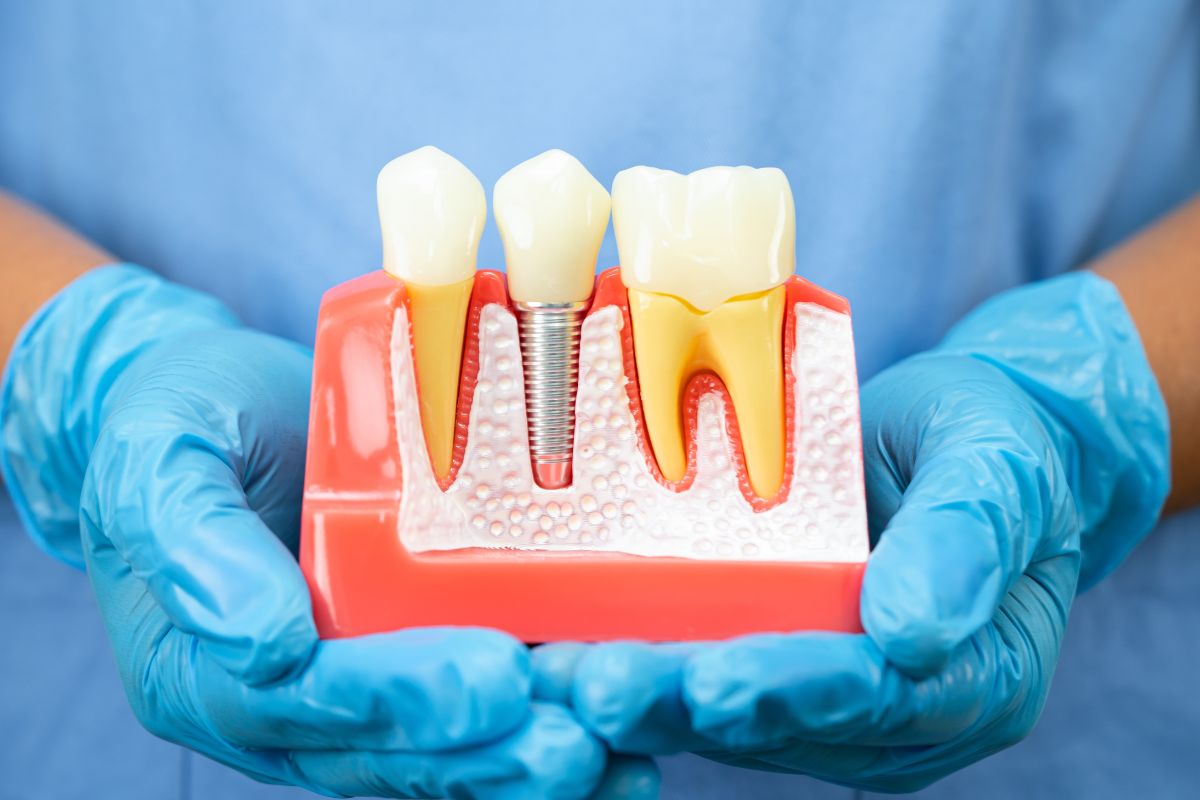
For patients at higher risk or with early signs of gum disease, professional treatments may be necessary. Scaling and root planning remove plaque and tartar below the gum line, helping prevent the progression of periodontitis. In some cases, surgical procedures or regenerative therapies may be recommended to restore damaged tissue and bone. Additionally, Dental Implants can be an option to replace teeth lost to severe gum disease, restoring function and appearance.

How a Periodontist Supports Long-Term Oral Health

A periodontist not only treats gum disease but also guides patients in maintaining healthy gums for life. Preventive care, personalized hygiene recommendations, and regular monitoring help minimize the risk of gum issues. Combining these strategies with modern dental technology ensures that patients maintain both healthy gums and strong teeth over time.

Key Takeaways for Gum Disease Prevention

  • Brush and floss daily, using proper techniques.
  • Visit your dentist regularly for check-ups and professional cleanings.
  • Maintain a balanced diet and avoid habits that increase risk, like smoking.
  • Manage existing health conditions that may affect gum health.
  • Seek professional advice early if you notice signs of gum disease, such as bleeding or swelling.

Gum disease prevention is an ongoing process that requires attention and care. If you want to protect your teeth, maintain a confident smile, and explore options like Dental Implants, trust Syosset Dental and its periodontist team. Schedule an appointment today to take the first step toward healthier gums and a lasting, natural smile.


FAQs About Gum Disease Prevention


  1. What is the early sign of gum disease?
    Red, swollen, or bleeding gums during brushing or flossing are common early signs.
  2. Can gum disease affect overall health?
    Yes, it has been linked to heart disease, diabetes, and other systemic conditions.
  3. How often should I see a dentist for gum health?
    Visiting every six months for check ups and cleanings is recommended.
  4. Can I reverse gum disease at home?
    Early-stage gingivitis can be managed with proper hygiene, but advanced disease requires professional treatment.
  5. Do lifestyle habits impact gum health?
    Yes, smoking, poor diet, and high sugar intake increase the risk of gum disease.
  6. Are Dental Implants Affected by Gum Disease?
    Gum disease can compromise implants, so prevention and monitoring are essential.
  7. How can a periodontist help prevent tooth loss?
    They provide specialized care, early detection, and treatment to maintain gum and bone health.