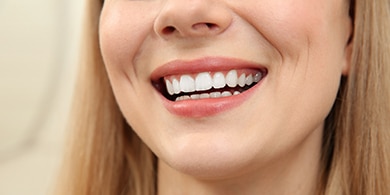



A bright, white smile can boost confidence and leave a lasting impression. Nowadays, many people seek ways to enhance their teeth’s appearance, and professional teeth whitening has become a popular solution. Understanding how teeth whitening works, the options available, and the steps to maintain results is key to achieving a radiant smile. In addition to the treatment itself, proper oral hygiene and regular dental visits are essential to prolong the whitening effects.
Understanding Teeth Discoloration
Teeth can become discolored for several reasons. Common causes include consumption of coffee, tea, red wine, or foods with intense pigments. Smoking and tobacco use can also stain teeth over time. Additionally, certain medications, genetics, and aging contribute to enamel discoloration. Understanding the source of staining is essential for selecting the proper whitening method and predicting realistic results.
How Teeth Whitening Works
Teeth whitening treatments work by breaking down stains on the enamel and dentin layers of your teeth. Professional whitening products contain bleaching agents, usually hydrogen peroxide or carbamide peroxide, which penetrate the tooth surface to lift stains. This process lightens teeth effectively without harming the enamel when performed under professional supervision. Results vary based on the type of discoloration, the treatment method, and oral hygiene habits.
Teeth Whitening Options
Several teeth whitening options are available for patients:
At-Home Whitening Kits
Dentists may provide custom trays with professional-grade whitening gel. These kits allow patients to whiten teeth at home over several days or weeks. While slower than in-office treatments, they provide gradual, controlled results with reduced sensitivity.
Over-the-Counter Products
Whitening toothpastes, strips, and gels are widely available. These options are less potent than professional treatments and generally require more prolonged use to see results. They can be helpful in minor surface stains and for maintaining results after professional whitening.
In-Office Whitening
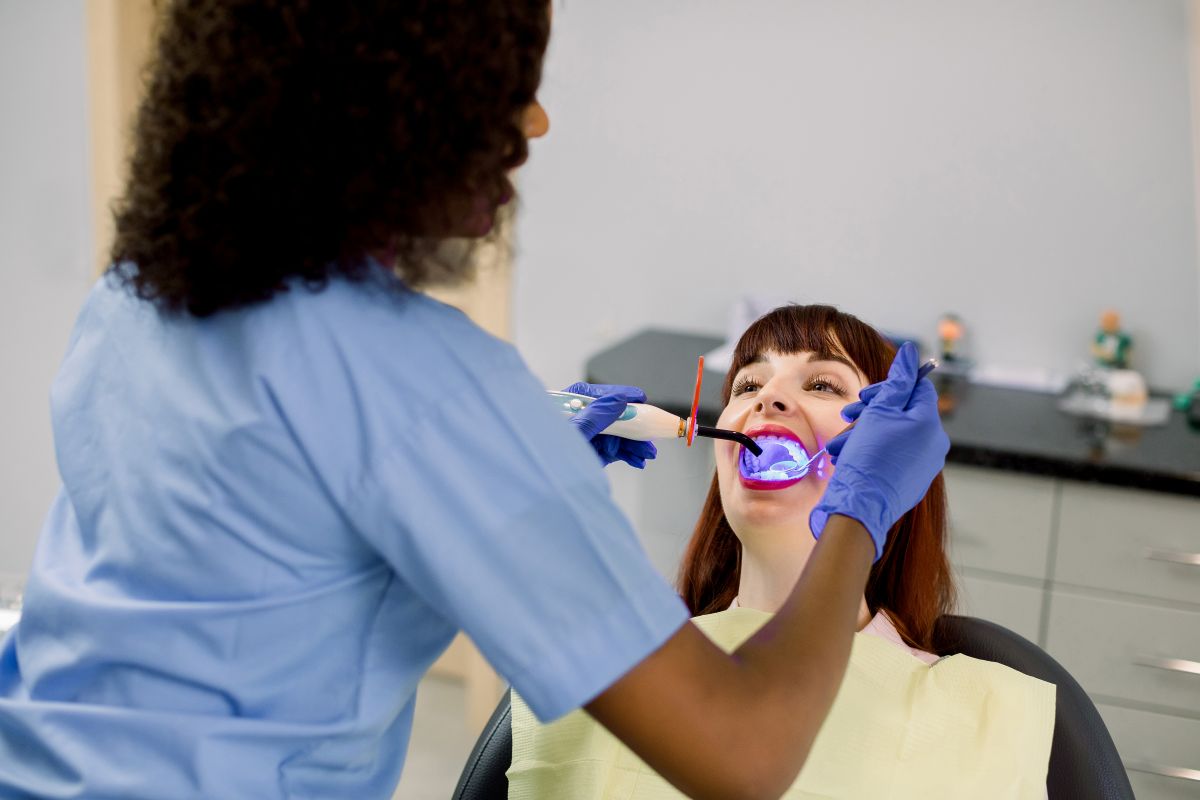
Performed at Syosset Dental, this method uses more potent bleaching agents and often includes light or laser activation. In-office treatments can produce noticeable results in a single visit, making it ideal for people preparing for special events or seeking fast results.
Considerations Before Whitening
Before starting any whitening treatment, it’s important to assess oral health. Patients with cavities, gum disease, or exposed roots should address these issues first. Teeth whitening may not be effective on crowns, veneers, or fillings, so expectations should be managed accordingly. Consulting a dentist in Syosset ensures the chosen method is safe and effective.
Maintaining Whitened Teeth
Proper maintenance can extend the longevity of your whitening results. Avoid foods and beverages that cause staining, such as coffee, tea, and red wine. Practice good oral hygiene, including brushing twice a day and flossing daily. Using a straw for dark beverages and rinsing with water afterward can also reduce discoloration. Regular dental check-ups help monitor your oral health and maintain your bright smile.
Transform Your Smile Today in Syosset, NY
Teeth whitening is a safe, effective way to enhance your appearance and boost confidence. By identifying the causes of discoloration, selecting the appropriate treatment, and maintaining results with proper oral care, patients can achieve a long-lasting, radiant smile. Schedule a consultation with Syosset Dental to explore teeth whitening options and achieve your dream smile today.
FAQs About Teeth Whitening
Q1: How long does teeth whitening last?
A1: Results typically last from six months to two years, depending on diet and oral care.
Q2: Is teeth whitening safe for children?
A2: Teeth whitening is generally recommended for adults; children should consult a dentist before any treatment.
Q3: Can teeth whitening damage enamel?
A3: Professional whitening is safe when supervised by a dentist and does not harm enamel.
Q4: How soon can I eat or drink after whitening?
A4: Avoid staining foods and drinks for at least 24–48 hours for optimal results.
Q5: Do whitening toothpastes really work?
A5: Whitening toothpastes remove surface stains but do not provide significant color changes like professional treatments.
Q6: Can I whiten teeth with crowns or fillings?
A6: Whitening affects natural teeth, not crowns or fillings. These restorations may need replacement for a uniform color.
Q7: How often should I whiten my teeth?
A7: Professional touch-ups every 6–12 months help maintain results, depending on lifestyle and oral habits.