
Does Charcoal Toothpaste Really Work for Teeth Whitening?

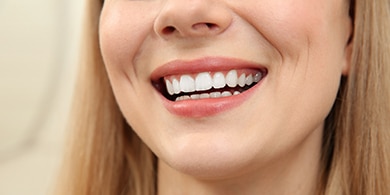
Skip to main contentWoman using charcoal toothpaste for teeth whitening

Charcoal toothpaste has become one of the most talked-about oral care products in recent years. From social media influencers to store displays, it is often marketed as a natural solution for achieving a brighter smile. Many people are drawn to the idea of whitening their teeth without undergoing professional treatment. But before adding charcoal toothpaste to your daily routine, it is important to understand what it actually does and whether it lives up to the claims.

Many patients ask about charcoal-based products during dental visits. Some report seeing a temporary improvement in the appearance of their teeth, while others notice increased sensitivity or disappointing results after long-term use. The truth lies somewhere in the middle.

What Does Charcoal Toothpaste Actually Do?

Charcoal toothpaste typically contains activated charcoal, a fine black powder known for its porous structure. This ingredient is believed to absorb and remove certain substances from the surface of the teeth, including stains caused by coffee, tea, red wine, and tobacco.

It can make teeth look slightly cleaner for a short period of time, mostly by polishing away surface buildup. However, it does not change the internal color of your teeth.

Teeth naturally have layers. The outer layer is enamel, and beneath it lies dentin, which has a slightly yellow tone. As enamel thins over time, the yellow tone becomes more visible. This is where problems can start if abrasive products are used too often.

Charcoal toothpaste does not strengthen enamel or improve long-term brightness. It only works on the surface, which means the results are temporary and limited.

Dentists generally recommend caution with long-term use because enamel protection is more important than short-term brightness.

Does Charcoal Toothpaste Really Whiten Teeth?

The short answer is not what most people expect. Many people associate whitening with dramatically brighter teeth. However, true whitening involves changing the tooth’s internal color, not simply removing surface stains. Since charcoal toothpaste does not penetrate enamel, it cannot effectively address deeper discoloration.

For individuals with mild staining from food and beverages, charcoal toothpaste may provide a temporary cosmetic improvement. However, the results are often subtle and short-lived.

Another important factor is enamel preservation. Some charcoal toothpastes are significantly more abrasive than traditional toothpaste formulations. Over time, repeated abrasion can contribute to enamel erosion, tooth sensitivity, and uneven tooth coloration.

Patients sometimes notice that their teeth initially feel smoother and cleaner after using charcoal toothpaste. Yet after months of use, they may become concerned about increased sensitivity or a duller appearance. This can happen when enamel becomes thinner and less able to reflect light effectively.

Why Everyday Oral Health Still Matters More Than Trends

Teeth whitening is only one part of oral care. The foundation always comes back to daily habits. Brushing twice a day with a fluoride toothpaste, flossing regularly, and keeping up with professional cleanings make a bigger long-term difference than any trending product.

Many patients ask about shortcuts to a brighter smile. The truth is that consistency wins every time. Small daily habits protect enamel and reduce staining naturally.

Even something as simple as drinking water after coffee or rinsing after meals can help maintain a cleaner appearance without risking enamel wear.

Professional Whitening and Why It Works Differently

Professional teeth whitening works very differently from charcoal toothpaste.

Rather than relying on abrasive methods to remove stains, professional whitening treatments use carefully controlled whitening agents that penetrate the enamel and target discoloration beneath the surface. This approach allows for more noticeable, even, and predictable results.

Because the treatment is supervised by dental professionals, the process can be tailored to each patient’s needs. Factors such as enamel thickness, existing restorations, sensitivity levels, and stain severity are all considered before treatment begins.

Professional whitening also includes safeguards that help protect the gums and surrounding tissues. This level of precision is simply not available with over-the-counter whitening products or charcoal-based alternatives.

For patients seeking meaningful improvements in tooth color, professional whitening often provides results that are both more effective and longer lasting.

Bright Smiles Begin with the Right Guidance

It is easy to see why charcoal toothpaste has attracted so much attention. The marketing is appealing, and the idea of a natural whitening solution sounds attractive. However, understanding the limitations of these products can help you make informed decisions about your oral health.

While charcoal toothpaste may remove certain surface stains, it does not offer true whitening and may pose risks when used excessively. Protecting your enamel should always take priority over chasing temporary cosmetic improvements.

If your goal is a brighter smile, a professional evaluation can help determine the safest and most effective option for you. At Syosset Dental, we provide personalized recommendations and professional whitening solutions designed around your individual smile goals. Our team is committed to helping patients achieve brighter, healthier smiles through safe and effective treatment options. Visit our dental office in Syosset and let us help you achieve a healthier, brighter smile with care tailored to your needs.

FAQs About Charcoal Toothpaste for Whitening

1. Does charcoal toothpaste actually whiten teeth?

It can remove some surface stains, which may make teeth look slightly brighter. However, it does not change the internal color of teeth. The effect is usually temporary.

2. Is charcoal toothpaste safe for daily use?

Frequent use may be too abrasive for enamel. Over time, it can contribute to sensitivity and enamel thinning. Dentists usually recommend caution with daily use.

3. Why do my teeth feel different after using charcoal toothpaste?

Charcoal can create a very clean or smooth feeling by polishing the surface. That sensation does not always mean the teeth are healthier or stronger.

4. Can charcoal toothpaste replace professional whitening?

No, it cannot replace professional whitening. Professional treatments target deeper stains and provide more consistent and controlled results.

5. Does charcoal toothpaste work on deep stains?

It mainly affects surface stains only. Deeper discoloration inside the enamel is not treated by charcoal-based products.

6. Can children use charcoal toothpaste safely?

Children should avoid whitening products unless recommended by a dentist. Their focus should be on gentle cleaning and building strong enamel through proper oral care.

7. What is the safest way to get whiter teeth?

The safest approach is a dentist-guided whitening plan combined with good daily oral hygiene. This helps protect enamel while improving overall brightness.

Veneers for Busy Professionals: Fast Smile Makeovers Explained

Professional woman showing natural-looking porcelain veneers

Life in Syosset can move quickly. Between long commutes, demanding work schedules, business meetings, and family responsibilities, finding time for personal care is not always easy. For many professionals, appearance still plays an important role in everyday interactions, whether you are leading presentations, attending networking events, or meeting clients face-to-face. Your smile often becomes one of the first things people notice.

That is why veneers have become such a popular cosmetic dental solution among busy adults. They offer a fast and effective way to improve the appearance of your smile without requiring months of treatment or constant dental visits. If you’re looking for a convenient way to boost your confidence and fit into your schedule, veneers may be a good option.

What Are Veneers?

Veneers are thin, custom-made shells bonded to the front surfaces of your teeth to improve their appearance. They are typically made from porcelain or composite materials and are carefully designed to match the shape, color, and overall look of your natural smile.

Porcelain veneers are especially popular because they closely resemble natural enamel while also resisting stains from coffee, tea, and other common foods and drinks. The result is a brighter, smoother, and more balanced smile that still looks natural.

Many patients choose veneers because they can correct multiple cosmetic concerns at the same time, including:

  • Discolored or stained teeth
  • Chipped or cracked teeth
  • Small gaps between teeth
  • Slightly uneven teeth
  • Worn-down enamel
  • Irregularly shaped teeth

Instead of undergoing several separate cosmetic procedures, veneers provide a more streamlined smile transformation.

Why Busy Professionals Choose Veneers

People often want cosmetic improvements that deliver noticeable results without interrupting their busy routine. Traditional orthodontic treatments or multiple cosmetic procedures may involve long timelines and frequent appointments, which can feel difficult to manage alongside a packed calendar.

Veneers are appealing because the process is efficient and predictable. In many cases, treatment can be completed in just a few visits over a short period.

For busy professionals who value both appearance and convenience, veneers offer several practical advantages:

Efficient Treatment Timeline

One of the biggest benefits of veneers is the speed of treatment. Unlike braces or aligners that may take months or years, veneers can often transform a smile within weeks.

This makes them an excellent option for individuals preparing for:

  • Professional events
  • Interviews or career changes
  • Weddings or special occasions
  • Public speaking engagements
  • Networking opportunities

Minimal Disruption to Daily Life

Veneer treatment is designed to fit smoothly into your schedule. Appointments are typically planned efficiently, helping reduce time away from work or personal commitments.

Many patients are able to continue their normal activities immediately after each visit.

Natural-Looking Results

Modern veneers are carefully customized to complement your facial features and natural smile. The goal is not to create an artificial appearance but rather to enhance what already exists.

A well-designed smile can improve confidence while still looking subtle and professional.

Long-Term Cosmetic Improvement

With proper care, veneers can remain durable and attractive for many years. This long-lasting value makes them a worthwhile investment for patients seeking both convenience and lasting results.

Are Veneers Right for Everyone?

Veneers are an excellent option for many adults, but they may not be suitable for every situation. They work best for individuals who want cosmetic improvements without major structural dental correction.

You may be a good candidate for veneers if you have:

  • Healthy teeth and gums
  • Cosmetic concerns affecting the front teeth
  • Mild spacing or alignment issues
  • Teeth that do not respond well to whitening treatments

However, patients with severe tooth damage, advanced gum disease, or significant bite problems may require other dental treatments before veneers can be considered.

A professional consultation is the best way to determine the right treatment plan for your smile.

How Long Do Veneers Last?

Porcelain veneers are known for their durability and long-lasting appearance. With proper care, they can often last 10 to 15 years or longer.

Maintaining veneers is relatively simple and includes:

  • Brushing twice daily
  • Flossing regularly
  • Attending routine dental checkups
  • Avoiding habits like chewing ice or biting hard objects

Many busy professionals appreciate that veneers require minimal maintenance while continuing to provide cosmetic benefits for years.

The Confidence That Comes With a Better Smile

A confident smile can positively influence both personal and professional interactions. Whether you are speaking during meetings, attending social gatherings, or simply smiling in photos, feeling comfortable with your appearance can make a meaningful difference.

Cosmetic dentistry is not only about aesthetics. It is also about helping patients feel more confident and comfortable in everyday life.

For professionals balancing demanding schedules in Syosset, veneers offer an efficient way to improve the appearance of their smile without major interruptions.

Enhance Your Smile Today

At Syosset Dental, we understand that busy professionals need dental care that is both efficient and personalized. Our experienced team focuses on creating natural-looking results while making the process as smooth and convenient as possible.

If you are considering veneers and want to explore your options, our Syosset dental office is here to help you achieve a smile that fits your lifestyle and goals.

FAQs About Veneers for Busy Professionals

1. How long do veneers typically last?

Porcelain veneers can last many years with proper care. Maintaining good oral hygiene and attending regular dental visits can help extend your lifespan and keep your smile looking its best.

2. Can veneers fix small gaps and uneven teeth?

Yes. Veneers are commonly used to improve the appearance of small gaps, uneven edges, and slightly irregular teeth. They help create a more balanced and symmetrical smile.

3. Is getting veneers painful?

Most patients experience little to no discomfort during the procedure. The process is carefully planned, and local anesthesia may be used during tooth preparation to ensure comfort.

4. Will veneers look natural?

Yes. Modern veneers are custom-designed to match your facial features, natural tooth color, and smile shape. The goal is to create results that look attractive yet natural.

5. Do veneers require special care?

Veneers do not require complicated maintenance. Daily brushing, flossing, and routine dental checkups are usually enough to keep them in excellent condition.

6. Can veneers stain over time?

Porcelain veneers are highly resistant to stains compared to natural teeth. However, maintaining good oral hygiene and limiting stain-causing foods and drinks can help preserve their appearance even longer.

Understanding the Stages of Gum Disease and How to Treat Them

Swollen gums showing early signs of gum disease

Gum disease, also known as periodontal disease, is one of the most common oral health conditions affecting adults. While it often begins with mild symptoms, untreated gum disease can eventually lead to serious dental complications, including tooth loss and bone damage.

The good news is that gum disease is highly treatable, especially when detected early. Understanding how the condition progresses can help you take the right steps to protect your smile and overall oral health.

The Early Stage of Gum Disease Starts With Gingivitis

Gingivitis is the first and mildest stage of gum disease. It develops when plaque and bacteria build up around the gumline, causing irritation and inflammation. At this stage, the condition is still reversible with proper dental care and improved oral hygiene habits.

Common signs of gingivitis include:

  • Red or swollen gums
  • Bleeding while brushing or flossing
  • Persistent bad breath
  • Gum tenderness or sensitivity

Many people assume poor brushing habits are the only cause of gingivitis, but several other factors may increase the risk. Smoking, diabetes, hormonal changes, stress, and poorly fitted dental restorations can all contribute to gum inflammation. Patients undergoing braces treatment may also struggle to clean around brackets and wires properly, which can allow plaque to accumulate more easily.

Gum disease treatment during this stage typically involves professional dental cleanings combined with better at-home oral hygiene. Brushing twice daily, flossing consistently, and scheduling routine dental visits can often restore gum health before permanent damage occurs.

When Gum Disease Becomes Periodontitis

If gingivitis is not treated, it can develop into periodontitis. At this stage, bacteria move below the gumline and begin damaging the tissues and bone that support the teeth.

As the body reacts to the infection, chronic inflammation develops. Over time, this inflammation can weaken the structures that hold teeth in place. Gum pockets may also form around the teeth, creating deeper spaces where bacteria continue to grow.

Common symptoms of periodontitis include:

  • Gums pulling away from the teeth
  • Increased tooth sensitivity
  • Pain while chewing
  • Loose teeth
  • Chronic bad breath

Unlike gingivitis, periodontitis cannot be completely reversed. However, it can still be effectively managed with professional treatment and ongoing care.

One of the most common treatments for periodontitis is scaling and root planing, a deep-cleaning procedure that removes bacteria and tartar from beneath the gums while smoothing the tooth roots. Patients with periodontitis may also require more frequent periodontal maintenance appointments to keep the infection under control and prevent further damage.

Advanced Periodontitis Can Impact Your Entire Oral Health

Advanced periodontitis is the most severe stage of gum disease. By this point, the supporting bone around the teeth may be significantly weakened, causing teeth to shift, loosen, or even fall out.

The effects of advanced gum disease extend beyond the mouth. Research has linked severe periodontal disease to several health conditions, including heart disease, diabetes complications, and respiratory problems.

Signs of advanced periodontitis may include:

  • Severe gum recession
  • Pus between the gums and teeth
  • Changes in bite alignment
  • Difficulty chewing certain foods
  • Noticeable tooth mobility

Treatment at this stage is often more complex. Some patients may require surgical periodontal procedures, bone grafting, or restorative treatments to rebuild and stabilize oral health.

Because advanced gum disease can cause permanent damage, early diagnosis and treatment remain essential.

Common Gum Disease Treatment Options

The right treatment depends on the severity of the condition and the amount of damage already present.

Professional Dental Cleanings

Routine cleanings help remove plaque and tartar before gum disease progresses into more serious stages.

Scaling and Root Planing

This deep-cleaning procedure removes bacteria from below the gumline and smooths root surfaces to help gums heal properly.

Advanced Periodontal Therapy

For severe cases, advanced procedures such as laser therapy, oral DNA testing, or modular periodontal treatment may be recommended to restore and maintain gum health.

Everyday Habits That Help Protect Your Gums

Prevention starts with maintaining a solid oral hygiene routine:

• Brush thoroughly twice a day
• Floss daily to remove plaque between teeth
• Replace your toothbrush regularly
• Limit sugary snacks and drinks
• Avoid tobacco products
• Schedule regular dental cleanings and exams

Why Early Treatment Matters

One of the biggest challenges with gum disease is that the early stages are often painless. Many patients do not realize they have a problem until the condition becomes more advanced.

Treating gum disease early can help:

  • Preserve natural teeth
  • Reduce future dental costs
  • Improve oral comfort
  • Protect gum tissue and bone structure
  • Support overall health and wellness

Professional dental care combined with strong at-home habits can significantly slow or stop the progression of gum disease.

Take Control of Your Oral Health

Healthy gums are the foundation of a confident smile. If you have noticed bleeding gums, bad breath, gum tenderness, or changes in your teeth, now is the time to take action before the condition worsens.

At Syosset Dental, our team focuses on personalized care designed to help patients protect their gums and maintain long-term oral health. Visit our dental office in Syosset for a comprehensive evaluation and learn which treatment options are right for you.

FAQs About Gum Disease Treatment

1. Can gum disease go away on its own?

No. Gum disease does not usually disappear without treatment. Early gingivitis may improve with better brushing, flossing, and professional cleanings, but more advanced stages require professional dental care to control the infection.

2. What causes gums to bleed during brushing?

Bleeding gums are commonly caused by inflammation from plaque buildup along the gumline. It can also happen due to aggressive brushing, smoking, certain medications, or underlying health conditions affecting the gums.

3. Is gum disease contagious?

The bacteria associated with gum disease can spread through saliva, but the condition itself depends on several factors, including oral hygiene, immune response, and overall health habits.

4. Can gum disease lead to tooth loss?

Yes. Advanced gum disease damages the bone and tissues supporting the teeth. Without treatment, teeth may loosen over time and eventually fall out or require extraction.

5. How often should I get my gums checked?

Most adults should have dental exams and cleanings every six months. Patients with a history of gum disease may need more frequent periodontal maintenance visits to keep the condition under control.

6. Does gum disease always cause pain?

Not always. Many people experience little or no pain during the early stages. That is why regular dental checkups are important for catching gum disease before it becomes severe.

7. Can gum disease affect overall health?

Yes. Studies suggest connections between gum disease and conditions such as heart disease, diabetes, and respiratory problems. Healthy gums play an important role in supporting overall wellness.

Tetracycline Stains on Teeth: Causes, Solutions, and What to Expect

Patient showing tetracycline-stained teeth during dental examination

Tetracycline stains can feel frustrating because they are not the kind of discoloration that disappears with whitening toothpaste or quick online remedies. These stains develop deep within the tooth structure, making them harder to treat than everyday coffee or wine stains.

The good news is that modern cosmetic dentistry offers several ways to improve the appearance of tetracycline-stained teeth and help patients feel more confident about their smiles again.

If you have been hiding your smile for years because of gray, brown, or yellow discoloration, understanding your treatment options is the first step toward change.

Why Do Tetracycline Stains Happen?

Tetracycline is an antibiotic that was commonly prescribed decades ago. When taken during childhood while teeth were still developing, it could become trapped inside the enamel and dentin. Over time, the teeth may appear dark yellow, brown, blue-gray, or striped.

Unlike surface stains, tetracycline discoloration sits deep within the tooth. That is why store-bought whitening products usually deliver disappointing results.

Many patients seeking a brighter smile ask whether a professional teeth whitening treatment can help. In some mild cases, it may improve the overall appearance, but severe staining often requires a more customized cosmetic solution.

Signs You May Have Tetracycline Staining

Here are some common signs dentists look for:

• Gray or brown discoloration across multiple teeth
• Horizontal bands or stripes on the enamel
• Stains that do not improve with regular whitening products
• Tooth discoloration that has been present since childhood

Because these stains vary from person to person, treatment should always begin with a professional dental evaluation.

Can Tetracycline Stains Be Removed Completely?

The answer depends on the severity of the staining. Some patients achieve dramatic improvement, while others may need a combination of cosmetic treatments to get the results they want.

Dentists typically focus on improving the color, brightness, and overall appearance of the teeth rather than promising perfection. The goal is to create a smile that looks natural and healthy.

Professional Treatments That May Help

Professional Whitening

For mild tetracycline stains, professional whitening treatments may help lighten discoloration over time. Unlike over-the-counter products, dentist-supervised whitening uses stronger formulas and customized treatment plans.

Results can take longer compared to traditional whitening because the stains are embedded deep within the teeth.

Dental Bonding

Dental bonding uses tooth colored resin to cover stained areas. This option works well for patients with moderate discoloration who want a more conservative cosmetic treatment.

Bonding can often be completed in a single visit, making it a popular option for patients looking for noticeable improvements without extensive dental work.

Porcelain Veneers

Porcelain veneers are one of the most effective treatments for severe tetracycline stains. Thin porcelain shells are placed over the front surface of the teeth to completely transform their appearance.

Veneers can improve color, shape, and symmetry simultaneously, creating a brighter, more even smile.

Dental Crowns

In cases where teeth are heavily stained or structurally damaged, crowns may be recommended. Crowns cover the entire tooth and provide both cosmetic and functional benefits.

This option is usually considered when additional restorative treatment is needed.

What Makes Professional Treatment Worth It?

Tetracycline stains are unique because they respond differently from ordinary discoloration. Professional dental care allows treatment to be tailored to your specific smile.

A customized plan may help you:

• Achieve more natural-looking results
• Avoid wasting money on ineffective products
• Improve confidence in social and professional settings
• Protect long-term oral health while improving appearance

Many patients are surprised by how much their confidence changes after improving their smile.

Say Goodbye to Stubborn Tooth Stains

You do not have to keep covering your smile in photos or conversations. Modern cosmetic dentistry offers solutions specifically designed to address stubborn discoloration, such as tetracycline stains.

At Syosset Dental, we create personalized treatment plans that fit your goals, comfort level, and smile needs. Visit our dental office in Syosset to discover options that can help restore your confidence in your smile.

FAQs About Tetracycline Stains

1. Are tetracycline stains permanent?

They can be long-lasting, but professional cosmetic treatments may significantly reduce or conceal the discoloration.

2. Can whitening toothpaste remove tetracycline stains?

Usually no. These stains develop inside the tooth, so surface whitening products often have limited effects.

3. Do veneers work well for severe staining?

Yes. Veneers are considered one of the most effective cosmetic options for deep tetracycline discoloration.

4. Is professional whitening safe for stained teeth?

Professional whitening is generally safe when supervised by a dentist who can first evaluate your oral health.

5. How long does treatment take?

The timeline depends on the treatment chosen. Whitening may require multiple sessions, while veneers often take a few appointments.

6. Will insurance cover treatment for tetracycline stains?

Cosmetic procedures are not always covered, but coverage varies by plan and treatment type.

7. Can tetracycline stains come back after treatment?

Treatments like veneers and crowns provide long-lasting results, while whitening may require maintenance over time.

Bone Loss and Dental Implants: Modern Solutions for Older Adults

Dentist explaining dental implant options to an older adult

Daily life becomes more enjoyable when you can eat comfortably, speak clearly, and smile with confidence. However, for many seniors, missing teeth and jawbone loss can make those simple moments more difficult. Whether it’s avoiding favorite foods or feeling self-conscious in conversations, tooth loss can affect both oral health and quality of life.

Many older adults believe that bone loss automatically prevents them from getting dental implants. Fortunately, modern dentistry has changed that. Today, advanced implant techniques and restorative procedures allow many seniors with bone loss to successfully receive dental implants and regain a healthier smile.

Understanding Why Jawbone Loss Happens

Jawbone loss is a common issue that often develops after tooth loss. Natural tooth roots stimulate the jawbone whenever you chew or bite. Once a tooth is missing, that stimulation stops, causing the bone in that area to gradually shrink.

Several factors can contribute to bone deterioration, including:

  • Missing teeth for an extended period
  • Advanced gum disease
  • Long-term denture use
  • Injury or trauma to the jaw
  • Osteoporosis and certain medical conditions
  • Poor oral hygiene habits

As bone loss progresses, it may affect facial structure, create a sunken appearance around the mouth, and make it more difficult to support replacement teeth.

Why Healthy Bone Structure Matters for Dental Implants

Dental implants are designed to function like natural tooth roots. During the procedure, a titanium implant post is placed into the jawbone, where it gradually fuses with the surrounding bone through a process called osseointegration.

This strong connection provides a stable foundation for crowns, bridges, or dentures. For successful implant placement, the jawbone needs enough density and volume to support the implant securely.

If the bone is too weak or thin, additional treatment may be needed before implants can be placed safely. However, bone loss does not automatically disqualify someone from implant treatment.

Are Dental Implants Still Possible With Bone Loss?

Yes, many seniors with bone loss can still successfully receive dental implants. Advances in implant dentistry have made it possible to rebuild or strengthen areas where bone has diminished.

Every patient’s situation is unique, which is why a detailed dental evaluation is essential. Dentists use digital imaging and comprehensive examinations to assess bone levels, oral health, and overall treatment goals before recommending the best approach.

Modern Treatment Options for Seniors With Bone Loss

Several advanced procedures can help seniors become candidates for dental implants, even if significant bone loss has occurred.

Bone Grafting Procedures

Bone grafting is one of the most common techniques used to rebuild the jawbone. During this procedure, bone material is placed in areas where the jawbone has weakened or shrunk.

Over time, the graft integrates with the natural bone and encourages new bone growth. This creates a stronger foundation capable of supporting dental implants.

Although healing may take several months, bone grafting can significantly improve implant success rates and long-term stability.

Sinus Augmentation for Upper Jaw Implants

When bone loss occurs in the upper jaw, particularly near the molars, there may not be enough bone height to support implants. In these situations, a sinus lift may be recommended.

This procedure gently raises the sinus membrane and places bone material beneath it to increase bone volume in the upper jaw. Once healed, the area can better support dental implants.

Sinus augmentation has helped many patients qualify for implants who might not otherwise have been candidates.

Mini Dental Implants

Mini dental implants are smaller than traditional implants and may work well for patients with lower bone density. Because of their smaller size, they often require less invasive placement and may involve a shorter recovery period.

Mini implants are commonly used to stabilize dentures and can provide improved comfort and function for some seniors. However, they may not be suitable for every situation, depending on individual oral health needs.

Implant-Supported Dentures

For seniors experiencing extensive tooth loss and bone deterioration, implant-supported dentures can offer a more secure alternative to traditional removable dentures.

Instead of relying entirely on the gums for support, these dentures attach to strategically placed implants. This added stability helps reduce slipping, clicking, and discomfort while eating or speaking.

Many patients appreciate the increased confidence and improved chewing ability that implant-supported dentures provide.

Benefits of Dental Implants for Older Adults

Even when bone loss is present, dental implants offer several important advantages for seniors.

Improved Stability and Comfort

Unlike traditional dentures, implants remain securely in place. This stability makes everyday activities like eating, speaking, and laughing feel more natural and comfortable.

Better Jawbone Preservation

Dental implants help stimulate the jawbone similarly to natural tooth roots. This stimulation can slow or prevent additional bone loss over time, helping maintain facial structure and oral health.

Enhanced Confidence

Many seniors feel more confident after restoring missing teeth with implants. A complete smile can improve self-esteem and make social interactions more enjoyable.

Long-Term Durability

With proper care and regular dental visits, implants can last for many years. Their durability makes them a worthwhile long-term investment in oral health and overall quality of life.

Important Factors to Consider Before Implant Treatment

Although many seniors qualify for dental implants, certain factors should still be evaluated carefully before beginning treatment.

Overall Health

General health plays an important role in healing and recovery. Conditions such as diabetes, osteoporosis, or autoimmune disorders may require additional planning, but they do not necessarily prevent implant treatment.

Lifestyle Habits

Smoking and tobacco use can interfere with healing and increase the risk of implant complications. Patients may be encouraged to reduce or stop smoking to improve treatment outcomes.

Treatment Timeline

Some procedures, such as bone grafting or sinus lifts, require healing periods before implants can be placed. While this may extend the treatment timeline, proper healing helps create a more successful and stable result.

Oral Hygiene Commitment

Good oral hygiene is essential for maintaining healthy implants. Patients should be prepared to brush, floss, and attend routine dental checkups regularly.

Caring for Dental Implants After Treatment

Dental implants require consistent care to remain healthy and functional. Fortunately, caring for implants is very similar to maintaining natural teeth.

Patients should:

  • Brush twice daily
  • Floss regularly
  • Attend professional dental cleanings
  • Avoid smoking
  • Follow all post-treatment instructions

Maintaining healthy gums and bone tissue is essential for preserving implant stability and long-term success.

Restore Your Missing Teeth With Advanced Implant Solutions

Bone loss may be common with aging, but it does not have to prevent you from restoring your smile. Thanks to modern advancements in implant dentistry, many seniors can still enjoy the benefits of secure, natural-looking tooth replacement.

At Syosset Dental, we provide personalized dental implant treatments tailored to your unique oral health needs and smile goals. Whether you require bone grafting, implant-supported dentures, or another restorative solution, our experienced team is here to help you achieve long-lasting comfort and confidence.

Schedule a visit with our dental office in Syosset today and take the first step toward restoring your missing teeth, improving oral function, and enhancing your quality of life.

FAQs About Dental Implants and Bone Loss

1. Can seniors with bone loss still get dental implants?

Yes, many seniors with bone loss can still receive dental implants with the help of advanced procedures like bone grafting or mini dental implants.

2. What causes jawbone loss after tooth loss?

When teeth are missing, the jawbone no longer receives stimulation from tooth roots, causing the bone to gradually shrink over time.

3. Are dental implants safe for older adults?

Dental implants are generally safe for seniors who are in good overall health. A dental evaluation helps determine whether treatment is appropriate.

4. What if there isn’t enough bone for traditional implants?

Procedures such as bone grafting, sinus lifts, or implant-supported dentures can help create enough support for successful treatment.

5. How long do dental implants last?

With proper oral hygiene and routine dental care, implants can last for decades.

6. Is the implant procedure painful?

The procedure is typically performed using local anesthesia, making it relatively comfortable. Mild soreness afterward is common and usually manageable.

7. How long does the dental implant process take with bone loss?

Treatment timelines vary depending on the extent of bone loss and whether additional procedures are needed. Some cases may take several months to complete fully.

Understanding Root Canal Treatment for Different Teeth Types

Root Canal Treatment for Different Teeth Types

Life in Syosset has its own rhythm. You might start your day by grabbing coffee on the way to work, spend the afternoon running errands, and wind down at home with family. But when tooth pain shows up, even the simplest moments can feel disrupted. Eating becomes uncomfortable, conversations feel distracting, and you may find yourself constantly aware of that one problem tooth.

When discomfort refuses to go away, it often signals something deeper than a minor issue. In many cases, a root canal becomes the most effective way to relieve pain and save the tooth. What many people do not realize is that not all root canals are the same. The experience can vary depending on whether the affected tooth is in the front of your mouth or toward the back.

Understanding these differences can help you feel more prepared and confident as you take the next step toward relief.

A Closer Look at What Happens During a Root Canal

Inside every tooth is a soft layer called pulp. This area contains nerves and blood vessels that keep the tooth healthy during development. When bacteria reach this inner layer through decay, cracks, or injury, it can lead to inflammation and infection.

A root canal procedure removes the damaged pulp, cleans the inside of the tooth, and seals it to prevent future problems. The goal is simple: eliminate pain while preserving your natural tooth structure.

Although the overall purpose remains the same, the process can feel quite different depending on the type of tooth being treated.

Why Tooth Type Matters More Than You Think

Not all teeth are built the same way. Their structure reflects the role they play in your daily life. Some are designed for cutting food, while others handle grinding and chewing.

  • Front teeth (incisors and canines): These teeth are located at the front of your mouth and are primarily used for biting and cutting food. They typically have a single root and one root canal.
  • Molars (and premolars): Found at the back of your mouth, these teeth are designed for grinding and chewing. They usually have multiple roots and two to four canals, depending on the tooth.

This anatomical difference directly affects how a root canal is performed, how long it takes, and what recovery looks like afterward.

Treating Front Teeth: What Sets It Apart

When a front tooth requires care, the procedure is typically more straightforward. The simpler structure allows for easier access and faster treatment.

Dentists can typically locate and clean the single canal without much difficulty. Because of this, appointments are often shorter, and the process feels more predictable from start to finish.

Patients also tend to notice less soreness afterward. Since front teeth are not exposed to the same level of pressure as back teeth, they usually recover more comfortably.

Appearance plays a major role here as well. Since these teeth are visible when you smile or speak, restoring their natural look becomes a priority. In some cases, a filling is enough. In others, a crown or cosmetic enhancement helps maintain a consistent appearance.

Treating Molars: A More Detailed Process

Molars present a different challenge altogether. These teeth are larger and built to handle significant chewing force. As a result, their internal structure is more complex.

Instead of a single canal, molars often contain multiple pathways that may curve or branch out. Locating and cleaning each one requires precision and time. This is why molar treatments may take longer or involve more than one visit.

After the procedure, these teeth need extra protection. Because they put most of the pressure when you chew, they are more likely to crack if left unsupported. A crown is usually recommended to restore strength and function.

It is also common to feel a bit more sensitive during recovery. This does not mean something is wrong. It simply reflects the additional work required to treat a more complex tooth.

Signs You May Need a Root Canal

Whether it’s a front tooth or a molar, certain symptoms can indicate the need for treatment:

  • Persistent tooth pain
  • Sensitivity to hot or cold that lingers
  • Swelling or tenderness in the gums
  • Darkening of the tooth
  • A small bump or pimple on the gums

If you notice any of these signs, it’s important to seek dental care promptly. Early treatment can prevent more serious complications.

Recovery: What Makes Each Experience Unique

Healing after treatment depends on both the type of tooth and your daily habits. 

Front teeth generally require less adjustment since they are not heavily involved in chewing. You can return to normal activities quickly, as long as you avoid biting into hard foods right away.

Molars need more attention during recovery. Since they handle most of your chewing, it is best to avoid using that side of your mouth until the tooth is fully restored. Soft foods and careful chewing can help prevent unnecessary strain.

In both cases, maintaining good oral hygiene is essential. Brushing and flossing keep the area clean and support healing. Attending follow-up appointments ensures that your dentist can complete the restoration and monitor your progress.

Where Better Oral Health Begins 

Understanding these differences helps you approach treatment with clarity instead of uncertainty. When you know what to expect, the process feels more manageable and far less intimidating. If tooth pain is interfering with your routine, it is time to address it before it becomes more serious. Early treatment can prevent further damage and quickly restore normal function. 

At Syosset Dental, you’ll receive personalized care tailored to your needs in a comfortable, supportive environment. Visit our dental office in Syosset today and get the care you deserve.

FAQs About Root Canals for Front Teeth and Molars

1. Are molar root canals more uncomfortable than those on front teeth?

Molars can feel slightly more sensitive after treatment because they have multiple roots and are located further back in the mouth. That said, the procedure itself is kept comfortable with modern numbing techniques, so most patients do not notice a major difference during treatment.

2. What makes molar root canals take more time?

The main reason is structure. Molars often have several canals that need to be carefully cleaned and sealed. Front teeth usually have just one canal, which makes the process quicker and more straightforward.

3. How much time should I expect for the procedure?

Treating a front tooth may take less than an hour in many cases. Molars, on the other hand, can take longer due to their complexity and may sometimes require more than one appointment to complete properly.

4. Will I need a crown after my root canal?

It depends on the tooth. Front teeth can sometimes be restored with a filling if enough structure is intact. Molars usually need a crown because they handle strong chewing forces and require added protection.

5. Does healing feel different for front teeth compared to molars?

Healing is generally smooth for both, but molars may feel a bit more tender at first since they are used more during chewing. This discomfort is usually temporary and improves within a few days.

6. How can I tell if I might need a root canal?

Ongoing tooth pain, sensitivity that lingers after hot or cold foods, gum swelling, or discomfort while chewing are common warning signs. These symptoms should be evaluated by a dentist as soon as possible.

7. Can a tooth last long after a root canal?

Yes, a properly treated tooth can remain healthy for many years. With consistent oral hygiene and regular dental visits, it can continue to function just like your natural teeth.

What Is Peri-Implant Mucositis and How Is It Treated?

Close view of dental implant placement and gum health model

Living in Syosset means staying on top of a busy routine. Between work, family time, and daily responsibilities, most people do not think twice about their dental implants once they are placed. They are designed to feel natural and function like real teeth. But just like natural teeth, implants need proper care to stay healthy.

Sometimes, even with good habits, the tissue around an implant can become irritated. You might notice redness, slight swelling, or bleeding when brushing. These early signs are often linked to a condition called peri-implant mucositis. While it may sound concerning, the good news is that it is treatable and often reversible when caught early.

Understanding what peri-implant mucositis is and how to manage it can help protect your oral health and prevent more serious complications down the road.

What Is Peri-Implant Mucositis? 

Peri-implant mucositis is an inflammatory condition that affects the soft gum tissue surrounding a dental implant. It is similar to gingivitis, which affects natural teeth. Inflammation occurs when bacteria accumulate around the implant, usually due to plaque buildup.

At this stage, the infection is limited to the gums and has not yet affected the bone supporting the implant. This is an important distinction because early treatment can prevent the condition from progressing.

Many patients do not realize they have it until symptoms become noticeable. That is why regular dental checkups and good oral hygiene are so important.

Common Signs You Should Not Ignore 

Early changes around an implant can be easy to miss, especially when discomfort is mild. Paying attention to these signs helps patients seek care before bone support is affected. Common warning signs include:

  • Red or swollen gums around the implant
  • Bleeding during brushing or flossing, even with gentle pressure
  • Persistent bad taste or unpleasant odor near the implant
  • Pus or discharge along the gumline
  • Loosening or movement of the implant (a sign of advanced issues)

If you notice any of these symptoms, it is important to schedule a dental evaluation promptly. 

What Causes Peri-Implant Mucositis? 

The primary cause of peri-implant mucositis is bacterial buildup around the implant. When plaque is not removed effectively, it can irritate the surrounding gum tissue. Understanding these causes can help you take proactive steps to prevent the condition. 

Poor Oral Hygiene

Plaque can build up around implants just like it does on natural teeth. When brushing and flossing are not done consistently or correctly, bacteria stay along the gumline and begin to irritate the surrounding tissue. Over time, this buildup can lead to inflammation and may even affect the bone that supports the implant. Keeping up with daily oral hygiene is essential for maintaining healthy gums around implants.

Smoking and Overall Health

Smoking reduces blood flow to the gums and slows down the healing process, which increases the risk of implant complications. It can also mask early warning signs, allowing inflammation to progress without notice. In addition, uncontrolled health conditions such as diabetes can weaken the body’s ability to fight infection. Maintaining good overall health plays an important role in protecting the success of dental implants.

Previous Gum Disease

Patients with a history of gum disease may face a higher risk of developing inflammation around implants. Previous periodontal issues can make the surrounding tissues more vulnerable. While this does not mean implants will fail, it does highlight the importance of regular monitoring and professional care. Routine dental visits help detect early changes and protect the long-term stability of the implant.

Why Early Treatment Matters

Ignoring peri-implant mucositis can lead to a more serious condition known as peri-implantitis. This advanced stage involves not only the gums but also the bone supporting the implant.

Once bone loss begins, treatment becomes more complex and may involve surgical procedures. In severe cases, the implant may fail.

The good news is that peri-implant mucositis is reversible. With timely care and improved oral hygiene, the gums can return to a healthy state. Early intervention plays a key role in preserving your implant and maintaining long-term oral health.

How Peri-Implant Mucositis Is Treated 

Treatment depends on the extent of inflammation and whether the bone around the implant has been affected. The main goal is to control bacteria, reduce swelling, and protect the remaining bone support. In the early stages, the condition can often be managed with conservative care. More advanced cases may require a deeper level of treatment. A detailed evaluation of the implant area helps determine the right approach for each patient.

Non Surgical Therapy

Non-surgical treatment focuses on removing plaque and bacterial buildup from around the implant. This usually involves professional cleaning techniques, such as scaling and implant debridement, using instruments designed to safely clean the implant surface. By eliminating the source of irritation, the gum tissue can begin to heal, especially when bone loss is minimal. Regular follow-up visits help monitor progress and ensure the area continues to improve.

Surgical Intervention

If the condition has progressed and affected the bone, surgical treatment may be necessary. This approach allows the dentist to access the implant and surrounding structures more directly, making it easier to remove infected tissue and thoroughly clean the area. In certain situations, bone grafting may be recommended to rebuild lost support and improve long-term stability. Each surgical plan is carefully tailored based on the patient’s oral health and implant condition.

Adjunctive Therapies

Additional therapies may be used to support the healing process alongside primary treatment. These can include antimicrobial rinses or localized antibiotics applied around the implant when needed. While these options help reduce bacteria, they work best when combined with proper cleaning and professional care. Your dentist will decide if these supportive treatments are necessary based on your specific condition.

The Role of Dental Implant Care in Prevention 

Dental implants can last for many years, but their longevity depends on proper maintenance. Preventing peri-implant mucositis starts with consistent daily care and routine dental visits.

  • Brush twice daily using a soft-bristle toothbrush
  • Floss regularly or use interdental cleaning tools
  • Attend routine dental checkups and cleanings
  • Avoid tobacco products
  • Maintain a balanced, healthy diet

Prevention is always easier than treatment, and small habits can make a big difference over time.

When to See a Dental Professional 

It is easy to assume that minor gum irritation will go away on its own. However, when it comes to implants, it is better to be cautious. If you notice persistent redness, bleeding, or discomfort around your implant, do not wait. Early evaluation can prevent more serious complications.

Regular dental visits are also important, even if you are not experiencing symptoms. Professional cleanings and exams help keep your implants in excellent condition. Being proactive about your oral health gives you the best chance of long-term success.

Protect Your Dental Health with the Right Implant Care 

Peri-implant mucositis may sound complex, but it is a manageable condition when addressed early. It starts with mild gum inflammation and can often be reversed with proper care and professional treatment. By staying aware of the signs, maintaining good oral hygiene, and keeping up with dental visits, you can protect your implant and avoid complications.  

If you have concerns about your implant or want to ensure everything is on track, the experienced team at Syosset Dental is here to help. Book an appointment at our Syosset office today. 

FAQs About Peri-Implant Mucositis and Treatment

1. What is the difference between peri-implant mucositis and peri-implantitis?

Peri-implant mucositis affects only the gum tissue around the implant and is reversible. Peri-implantitis is more advanced and involves bone loss around the implant. Early treatment can prevent progression from one stage to the other.

2. Can peri-implant mucositis go away on its own?

It is unlikely to resolve without proper care. Professional cleaning and improved oral hygiene are usually needed to remove bacteria and allow the gums to heal effectively.

3. How long does it take to treat peri-implant mucositis?

Treatment time varies depending on the severity and how quickly it is addressed. Many patients see improvement within a few weeks when they follow their dentist’s recommendations closely.

4. Is peri-implant mucositis painful?

It is usually not very painful in the early stages. Most people notice mild discomfort, swelling, or bleeding rather than sharp pain. This is why it can go unnoticed for some time.

5. How can I prevent peri-implant mucositis?

Good oral hygiene is the best prevention. Brush and clean around your implant daily, attend regular dental checkups, and follow any care instructions given by your dentist.

6. When should I see a dentist about implant concerns?

You should schedule a visit if you notice bleeding, swelling, or changes around your implant. Even minor symptoms are worth checking to prevent more serious issues later.

Bad Breath and Gum Disease: What’s the Connection?

Early symptoms of gum disease in mouth

Bad breath can be frustrating, especially when it lingers even after brushing, flossing, or using mouthwash. Many people assume it is caused by something they ate or a temporary issue. But when the odor becomes persistent, the cause is often more complex and rooted in your oral health.

One of the most common underlying reasons for chronic bad breath is gum disease. Understanding how these two are connected can help you take meaningful steps toward better oral health and long-lasting freshness.

What Causes of Bad Breath?

Bad breath, also known as halitosis, usually begins with bacteria in the mouth. These bacteria break down food particles and release sulfur compounds, which create an unpleasant smell. While occasional bad breath is normal, persistent odor often signals something deeper.

Poor oral hygiene, dry mouth, and plaque buildup all contribute to the problem. However, when bacteria accumulate along the gumline and are not properly removed, they can lead to inflammation and infection, setting the stage for gum disease.

The Link Between Bacteria and Persistent Bad Breath

Your mouth naturally contains bacteria, but balance is key. When bacteria grow unchecked, especially in hard-to-clean areas, they produce strong odors that do not go away easily.

These bacteria tend to gather around the gums and between teeth. As they multiply, they release gases that cause chronic bad breath. This is why even a consistent brushing routine may not fully solve the issue if the bacteria are hiding below the surface.

Why Gum Infections Lead to Unpleasant Odor

Gum infections create an ideal environment for odor-causing bacteria to thrive. As gum disease progresses, small pockets form between the teeth and gums. These spaces trap food particles and bacteria, making them nearly impossible to clean at home.

Over time, the infection leads to tissue breakdown, which further contributes to the smell. Without proper Gum Disease Treatment, the condition continues to worsen, and bad breath becomes more noticeable and persistent.

Early Warning Signs of Gum Disease You Should Notice

Bad breath is often one of the first signs of gum disease, but it rarely appears alone. Recognizing other symptoms early can help you take action before the condition worsens.

Watch for:

  • Red or swollen gums
  • Bleeding during brushing or flossing
  • Gum tenderness or sensitivity
  • Receding gums
  • A constant bad taste in your mouth

Catching these signs early can prevent more serious oral health issues.

What Your Breath Can Reveal About Your Oral Health

Your breath can act as an early warning system for your oral health. While occasional odor is usually harmless, persistent bad breath often indicates an underlying issue that requires attention.

If your breath does not improve despite good oral hygiene, it may indicate gum disease or excessive plaque buildup. Paying attention to these signs can help you address problems early and avoid more complex treatments later.

The Role of Plaque and Tartar in Gum Health

Plaque is a sticky film of bacteria that constantly forms on your teeth. If it is not removed through regular brushing and flossing, it hardens into tartar. This hardened layer cannot be removed at home and creates a rough surface that allows more bacteria to accumulate.

As tartar builds up along the gumline, it irritates the surrounding tissue and increases the risk of gum disease. This ongoing irritation also contributes to bad breath, making professional cleaning an important part of maintaining oral health.

How Professional Care Helps Eliminate the Root Cause

When gum disease causes bad breath, professional care becomes essential. A dental evaluation can determine the severity of the condition and guide the right treatment.

Treatment may include:

  • Deep cleaning to remove plaque and tartar
  • Targeted care for infected gum areas
  • Guidance on improving daily oral hygiene

This approach helps reduce bacterial buildup, improve gum health, and restore fresh breath.

Daily Habits That Support Healthier Gums and Fresher Breath

Consistent oral care plays a key role in preventing gum disease and keeping your breath fresh.

Simple habits that make a difference:

  • Brush twice daily with proper technique
  • Floss every day to clean between teeth
  • Clean your tongue to remove bacteria
  • Drink enough water to prevent dry mouth
  • Visit your dentist regularly for checkups

These small steps can have a lasting impact on your oral health.

Take Control of Your Breath and Gum Health in Syosset

Living with ongoing bad breath can affect how you feel in everyday situations, but the solution may be closer than you think. Focusing on your gum health can make a noticeable difference in both your oral health and your confidence.

At Syosset Dental, our experienced team is committed to helping you achieve healthier gums and a fresher, more confident smile.

Visit our dental office in Syosset to receive a thorough evaluation and a care plan tailored to your needs.

FAQs on Bad Breath and Its Link to Gum Disease

1. Can gum disease really cause bad breath?

Yes, gum disease is one of the leading causes of chronic bad breath. The bacteria involved release odor-causing compounds that linger even after brushing.

2. Is morning breath related to gum disease?

Morning breath is common and usually caused by reduced saliva during sleep. However, if the odor is unusually strong or persists throughout the day, it could be linked to gum disease.

3. Will brushing more often fix the issue?

Brushing helps, but it may not be enough if gum disease is present. Bacteria below the gumline require professional treatment to fully resolve the problem.

4. Is bad breath always a dental issue?

Not always. While gum disease is a common cause, bad breath can also be linked to dry mouth, diet, or certain medical conditions. A dental exam can help narrow it down.

5. How long does it take to improve breathing after treatment?

Many patients notice improvement soon after professional cleaning and proper care. However, the timeline depends on the severity of the gum disease.

6. Can gum disease come back after treatment?

Yes, it can return if oral hygiene is not maintained. Regular dental visits and daily care are essential to keep your gums healthy.

7. Does diet play a role in bad breath and gum health?

Yes, certain foods can temporarily affect breath, but a poor diet can also contribute to plaque buildup and gum inflammation. A balanced diet supports overall oral health.

How Dental Veneers Fix Chips and Uneven Teeth

Dental veneers for chipped teeth

A small chip in a front tooth or slightly uneven edges can noticeably affect the appearance of your smile. Even minor imperfections may stand out in photos, conversations, and daily interactions, often affecting your confidence more than you expect.

Many people believe that correcting these concerns requires complex or extensive dental procedures. However, modern cosmetic dentistry offers simpler, highly effective solutions. One of the most widely recommended options is dental veneers.

These thin, custom-made shells are designed to improve the appearance of chipped, uneven, or worn teeth. If you’re considering enhancing your smile, understanding how veneers work and what they can address is a great place to begin.

How Dental Veneers Improve Chipped or Uneven Teeth

Dental veneers are ultra-thin shells that are bonded to the front surface of your teeth. They are carefully crafted to enhance the shape, size, and symmetry of your smile while blending seamlessly with your natural teeth.

Veneers are typically recommended for minor cosmetic concerns that do not require extensive restorative treatment. Since they cover the visible portion of the tooth, they can address multiple issues at once.

Veneers can effectively correct:

  • Minor chips or small fractures
  • Uneven or irregular tooth edges
  • Slightly misshapen teeth
  • Worn enamel
  • Small gaps that affect smile symmetry

Instead of treating each concern individually, veneers provide a comprehensive solution to achieve a more balanced, uniform smile.

The Hidden Risks of Ignoring a Chipped Tooth

A chipped tooth may seem like a purely cosmetic issue, but leaving it untreated can lead to additional complications over time.

The uneven edge of a chipped tooth can wear down further or catch on food when biting. This can create uneven pressure across your teeth, potentially affecting your bite alignment.

In some cases, chipped teeth may also become sensitive to hot or cold foods. Addressing the issue early can help preserve both the appearance and function of your smile.

Why Veneers Are a Popular Cosmetic Choice

Veneers are widely preferred because they enhance your smile while preserving most of your natural tooth structure.

Patients often choose veneers because they:

  • Create a smooth, even appearance
  • Address multiple cosmetic concerns at once
  • Blend naturally with surrounding teeth
  • Provide long-lasting results with proper care
  • Resist stains better than natural enamel

Each veneer is custom-designed to complement your facial features, ensuring a natural and aesthetically pleasing result.

Are Veneers Right for You?

While veneers can address many cosmetic concerns, they may not be ideal for every situation. Teeth with significant structural damage or decay may require other restorative treatments before cosmetic options are considered.

A dental evaluation helps determine whether veneers are the best way to improve the look of chipped or uneven teeth. The dentist will also consider factors such as bite alignment, enamel condition, and overall oral health.

The goal is always to choose a solution that supports both appearance and long-term dental health.

How to Care for Your Veneers

With proper care, veneers can remain durable and attractive for many years.

To maintain your results:

  • Brush twice daily with a non-abrasive toothpaste
  • Floss regularly to support gum health
  • Avoid biting hard objects such as ice or pens
  • Visit your dentist for routine checkups
  • Wear a nightguard if you grind your teeth

Consistent oral hygiene plays a key role in preserving the longevity and appearance of your veneers.

Transform Your Smile with Veneers in Syosset

If chipped or uneven teeth are affecting your confidence, dental veneers may be the ideal solution. A personalized consultation can help you explore the best treatment options for your smile.

At Syosset Dental, we focus on delivering natural-looking results that enhance both aesthetics and long-term oral health.

Schedule your visit to our dental office in Syosset today and take the first step toward a smoother, more confident smile.

FAQs About Veneers for Chipped and Uneven Teeth

  1. Can veneers fix chipped or uneven teeth?

Yes, veneers are an effective solution for correcting chipped or uneven teeth. They cover the visible portion of the tooth, creating a smooth and uniform appearance. Veneers can restore minor damage and improve symmetry without the need for extensive dental procedures. This makes them ideal for cosmetic enhancements.

  1. How long do dental veneers last?

With proper care, dental veneers can last anywhere from 10 to 15 years or even longer. Their longevity depends on your oral hygiene habits and lifestyle choices. Avoiding habits like biting hard objects and maintaining regular dental checkups can help extend their lifespan. High-quality materials also contribute to their durability.

  1. Are veneers a permanent treatment?

Veneers are considered a long-term solution because a small amount of enamel is usually removed during preparation. This means the procedure is not reversible in most cases. However, veneers may need to be replaced after several years due to wear or damage. Your dentist will guide you on proper maintenance and future care.

  1. Do veneers look natural?

Yes, veneers are designed to look very natural and blend seamlessly with your existing teeth. They are custom-made to match the color, shape, and size of your surrounding teeth. Modern materials, especially porcelain, mimic the light-reflecting properties of natural enamel. This results in a realistic and aesthetically pleasing smile.

  1. Is the veneers procedure painful?

The veneers procedure is generally not painful and is considered minimally invasive. Dentists may use local anesthesia during tooth preparation to ensure comfort. Most patients experience little to no discomfort during and after the procedure. Any mild sensitivity usually subsides within a few days.

  1. How do I take care of my veneers?

Caring for veneers is similar to maintaining natural teeth. Regular brushing, flossing, and routine dental visits are essential for keeping them in good condition. It is also important to avoid habits like chewing on hard objects or using teeth as tools. Proper care helps preserve their appearance and extends their lifespan.

Enhance Your Smile Naturally with Modern Cosmetic Dentistry

Female patient receiving modern cosmetic dental care

In Syosset, how you present yourself matters, and your smile is often the first thing people notice. Today’s patients aren’t looking for overly dramatic transformations; they want a smile that looks naturally healthy, bright, and balanced. That’s where modern cosmetic dentistry stands out.

Rather than creating an artificial appearance, today’s cosmetic treatments focus on maintaining your natural tooth shape, enhancing symmetry, and subtly improving color. When performed with precision, these procedures leave your smile looking refreshed, vibrant, and authentically you.

Here are some of the most popular cosmetic treatments our patients choose to achieve a naturally beautiful smile.

Understanding Cosmetic Dentistry

Cosmetic dentistry focuses on improving the appearance of your teeth and smile. While aesthetics are the primary goal, many procedures also support oral health. Treatments can address tooth color, shape, alignment, and spacing.

Modern techniques prioritize subtle enhancements over dramatic transformations, ensuring results look natural and complement your facial features.

Cosmetic Dentistry Options for a Natural Smile

When people hear the phrase cosmetic dentistry, they sometimes imagine dramatic changes. In reality, a well-planned cosmetic dental treatment focuses on refining what you already have. The goal is balance, harmony, and confidence rather than a completely different look.

Some of the most effective treatments include:

  • Teeth whitening to brighten stained or dull enamel
  • Dental veneers to improve shape, color, and minor alignment issues
  • Tooth bonding to repair small chips and gaps 

A cosmetic dentist carefully evaluates your smile, facial structure, and oral health before recommending the right approach. Often, subtle improvements in multiple areas create the most natural result.

Professional Teeth Whitening

Tooth discoloration is a common cosmetic concern caused by factors like coffee, tea, red wine, and natural aging. Professional whitening treatments offer a safe and effective way to remove stains and brighten your smile. Unlike over-the-counter products, in-office whitening uses controlled formulas that protect enamel while delivering noticeable results. Many patients find that whitening alone can rejuvenate their smile without altering the tooth’s natural shape.

Key advantages of professional whitening:

  • Achieve a visibly brighter smile in a short amount of time
  • Even and consistent color across all teeth
  • Results that appear natural and not overly artificial

Customized Dental Veneers

Dental veneers are thin porcelain coverings placed over the front of teeth to address chips, discoloration, uneven edges, or minor gaps. Modern veneer techniques focus on personalized shaping and shading to mimic the reflective qualities of natural enamel.

Benefits of veneer treatment:

  • Enhances tooth proportions for a balanced appearance
  • Creates a smoother, more harmonious smile line
  • Addresses multiple cosmetic concerns simultaneously

When designed carefully, veneers blend naturally with your existing teeth for a seamless finish.

Tooth Bonding

Minor smile imperfections can often be corrected without extensive procedures. Cosmetic dental bonding involves applying a tooth-colored resin to the surface to repair small chips, reshape uneven edges, or close minor gaps.

Why patients choose bonding:

  • Can be completed in just one appointment
  • Preserves most of the natural tooth structure
  • Provides results that integrate seamlessly with surrounding teeth

For subtle cosmetic enhancements, bonding is an efficient and effective option.

Choosing the Right Cosmetic Treatment for You

Every smile is unique, and a customized approach is key to achieving natural results. A consultation with your cosmetic dentist involves:

  1. Smile Analysis – Evaluating tooth shape, color, and alignment
  2. Facial Harmony Assessment – Ensuring enhancements suit your facial features
  3. Oral Health Review – Identifying any underlying issues that could affect treatment
  4. Treatment Planning – Recommending a personalized combination of procedures

Subtle improvements across multiple areas often deliver the most authentic and harmonious results.

Benefits of Cosmetic Dentistry Beyond Appearance

While cosmetic dentistry is often associated with enhancing the appearance of your smile, its benefits extend far beyond aesthetics. Treatments such as bonding, veneers, and clear aligners not only create a more attractive smile but also support long-term oral health and facial functionality.

These procedures can help protect teeth from further damage, improve bite and alignment, and reduce wear on uneven or misaligned teeth.

Additionally, by addressing both cosmetic and functional concerns, patients often experience a boost in confidence and overall well-being, enjoying a smile that looks great and functions optimally.

Get the Smile You’ve Always Wanted

Cosmetic dentistry isn’t about changing who you are; it’s about enhancing your natural features so you feel confident every time you smile. If you have chipped teeth, gaps, or discoloration and are looking for the right solution, the dental team at Syosset Dental is here to help.

Contact our dental office in Syosset and see how modern cosmetic dentistry can transform your smile.

FAQs About Modern Cosmetic Dental Treatment

1. What is cosmetic dentistry?

Cosmetic dentistry focuses on improving the appearance of your teeth and smile. Treatments may address color, shape, alignment, or spacing while also supporting overall oral health.

2. Which cosmetic treatment looks the most natural?

The most natural result depends on your specific smile goals. Many patients achieve subtle results with teeth whitening, bonding, or carefully designed veneers.

3. Are cosmetic dental procedures permanent?

Some treatments, such as veneers and crowns, are long-lasting, while others, like whitening, may require occasional touch-ups to maintain results.

4. Is cosmetic dentistry only about appearance?

Not entirely. Many treatments improve both aesthetics and function. Straightening teeth or restoring damaged teeth can also support long-term oral health.

5. How long do cosmetic treatments usually take?

Treatment time varies. Whitening can often be completed in a single visit, while clear aligners or veneers may take several weeks, depending on the plan.

6. Are cosmetic dental procedures painful?

Most cosmetic treatments are minimally invasive. Dentists use modern techniques to keep patients comfortable throughout the process.

7. How do I know which treatment is right for me?

A dental consultation is the best first step. Your dentist will evaluate your teeth, discuss your goals, and recommend treatments that suit your smile and oral health.