



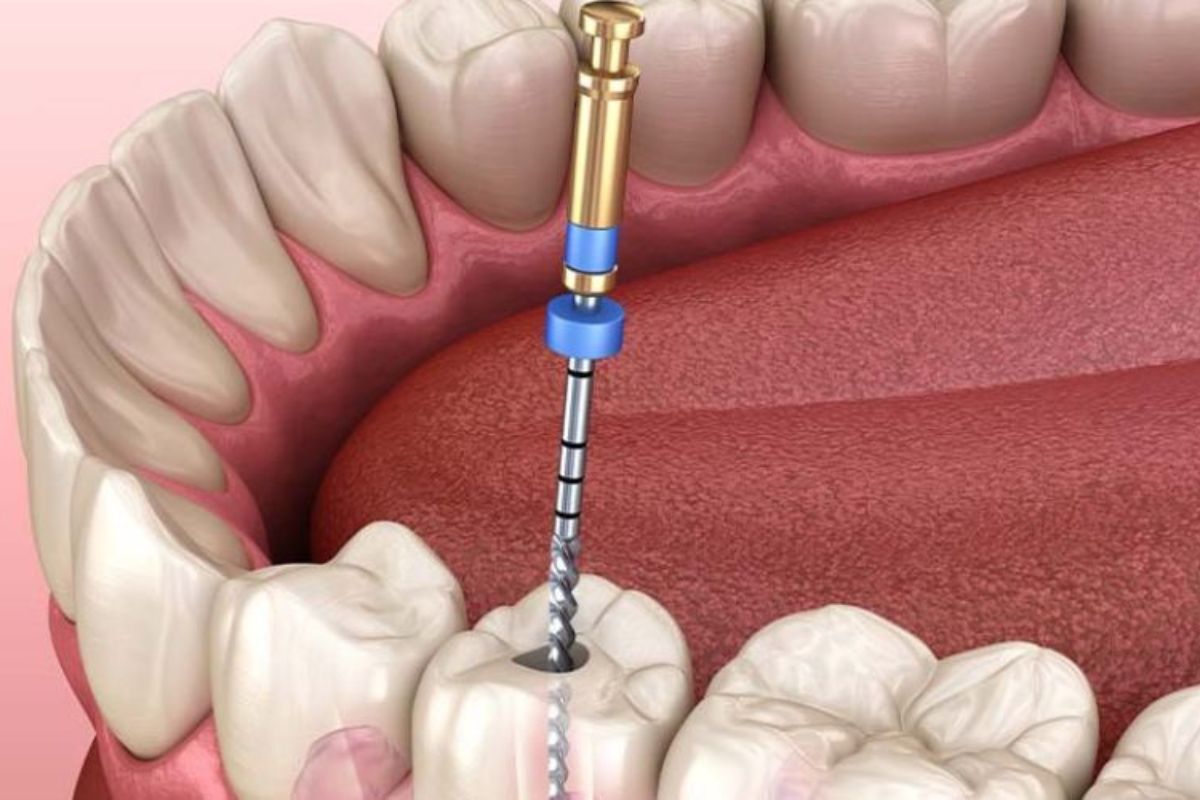
A cracked tooth is more than a cosmetic concern. Depending on the fracture’s depth and location, it can lead to pain, sensitivity, infection, and even tooth loss if left untreated. Fortunately, many cracked teeth can be preserved with root canal therapy when treatment is performed before the damage becomes too severe.
Root canal treatment removes infected or inflamed tissue from inside the tooth, helping eliminate discomfort while preserving the natural tooth structure. However, not every crack can be treated the same way. The success of treatment depends largely on how far the crack extends and whether the tooth’s root has been affected.
Understanding when a root canal is recommended can help patients make informed decisions and improve the chances of saving a damaged tooth.
When Is a Root Canal Recommended for a Cracked Tooth?
A root canal may be necessary when a crack extends deep enough to affect the pulp, which is the soft tissue inside the tooth that contains nerves and blood vessels. Once this tissue becomes inflamed or infected, the tooth cannot heal on its own.
Minor cracks that affect only the outer enamel may require a filling, bonding procedure, or crown. However, when the fracture extends into the inner portion of the tooth, root canal therapy is often the most effective way to preserve the tooth and prevent further complications.
Several warning signs may suggest that a cracked tooth has affected the pulp, including:
- Sharp discomfort while chewing
- Sensitivity that lingers after consuming hot or cold foods
- Gum tenderness or localized swelling
- Intermittent throbbing pain
- Pain when releasing biting pressure
- Tooth discoloration or darkening
Prompt evaluation is important because early treatment can significantly improve the likelihood of saving the tooth.
How Dentists Diagnose a Cracked Tooth
Cracked teeth are not always easy to detect. In many cases, symptoms come and go, making diagnosis more challenging. Dentists use several tools and techniques to identify the location and severity of a crack.
Bite Analysis
Patients may be asked to bite on a specialized instrument. If pain occurs while biting or immediately after releasing pressure, a crack may be present.
Light Examination
A bright dental light can be used to illuminate the tooth. Fractures often disrupt the path of light through the tooth, making cracks easier to identify.
Digital Imaging
Dental X-rays may not always directly reveal a crack, but they can help identify infection, inflammation, or bone changes associated with the damaged tooth.
Symptoms such as chewing pain, prolonged sensitivity, gum swelling, or unexplained tooth discomfort should never be ignored. Early diagnosis often leads to more conservative treatment options.
When a Root Canal May Not Be Enough
Although root canal therapy can successfully save many cracked teeth, there are situations where the damage is too extensive.
Treatment may not be successful if:
- The crack extends below the gumline
- The root has fractured vertically
- Significant bone loss surrounds the tooth
- The fracture has split the tooth into separate sections
When a tooth cannot be restored, extraction may be the healthiest option. After removal, replacement solutions such as dental implants, bridges, or partial dentures can help restore appearance and function.
Why Prompt Treatment Is So Important
One of the biggest misconceptions about cracked teeth is that they will improve on their own. Unfortunately, fractures do not heal naturally. Once a crack forms, it can continue to spread over time.
As the crack deepens, bacteria can enter the inner portions of the tooth and surrounding tissues. This increases the risk of infection, abscess formation, and eventual tooth loss.
Addressing a cracked tooth early often allows for less invasive treatment and improves the likelihood of preserving the natural tooth. Waiting too long can limit treatment options and increase the complexity of care.
Protect Your Teeth with Timely Care in Syosset
A cracked or damaged tooth should never be ignored, as the condition can worsen over time and lead to severe pain, infection, or even tooth loss. With timely root canal treatment, it is often possible to save the natural tooth, relieve discomfort, and protect your long-term oral health. Early care can also help prevent the need for more extensive dental procedures in the future.
At Syosset Dental, our experienced dental team uses advanced technology and precise diagnostic techniques to provide effective treatment for cracked and fractured teeth. From the initial examination to the final dental placement, we guide patients through every stage of care with comfort and attention to detail. Visit our Syosset office today to restore your teeth and protect them from further damage with expert dental care.
FAQs About Root Canals for Cracked Teeth
1. Can root canal treatment save a cracked tooth?
Yes, many cracked teeth can be saved with root canal therapy when the fracture has reached the pulp but has not completely split the tooth. The procedure removes damaged tissue and helps preserve the remaining tooth structure. A crown is often placed afterward for added protection.
2. What symptoms suggest a cracked tooth may need a root canal?
Pain while chewing, lingering sensitivity to temperature changes, gum swelling, and occasional throbbing discomfort are common signs. These symptoms may indicate that the crack has reached the inner pulp. A dental evaluation is needed to confirm the diagnosis.
3. Is a root canal painful?
Modern root canal treatment is designed to be comfortable. Local anesthesia is used to numb the area, and most patients report that the procedure feels similar to receiving a dental filling. Treatment often relieves the pain caused by infection or inflammation.
4. How do dentists find cracks that are difficult to see?
Dentists use several methods, including bite testing, specialized lighting, digital imaging, and CBCT scans. These techniques help locate fractures and determine how deeply they extend into the tooth.
5. What happens if a cracked tooth is left untreated?
Without treatment, bacteria can enter through the crack and infect the tooth’s pulp. This can lead to severe pain, abscess formation, bone loss, and eventual tooth loss. Early intervention offers the best chance of saving the tooth.
6. Is a crown necessary after a root canal?
In many cases, yes. A crown helps strengthen and protect the tooth after root canal treatment. It also reduces the risk of further cracking and restores normal chewing function.
7. Are all cracked teeth candidates for root canal therapy?
No. Some fractures extend too far below the gumline or involve the root structure. In these cases, the tooth may not be restorable, and extraction may be recommended. A thorough examination helps determine the most appropriate treatment.