



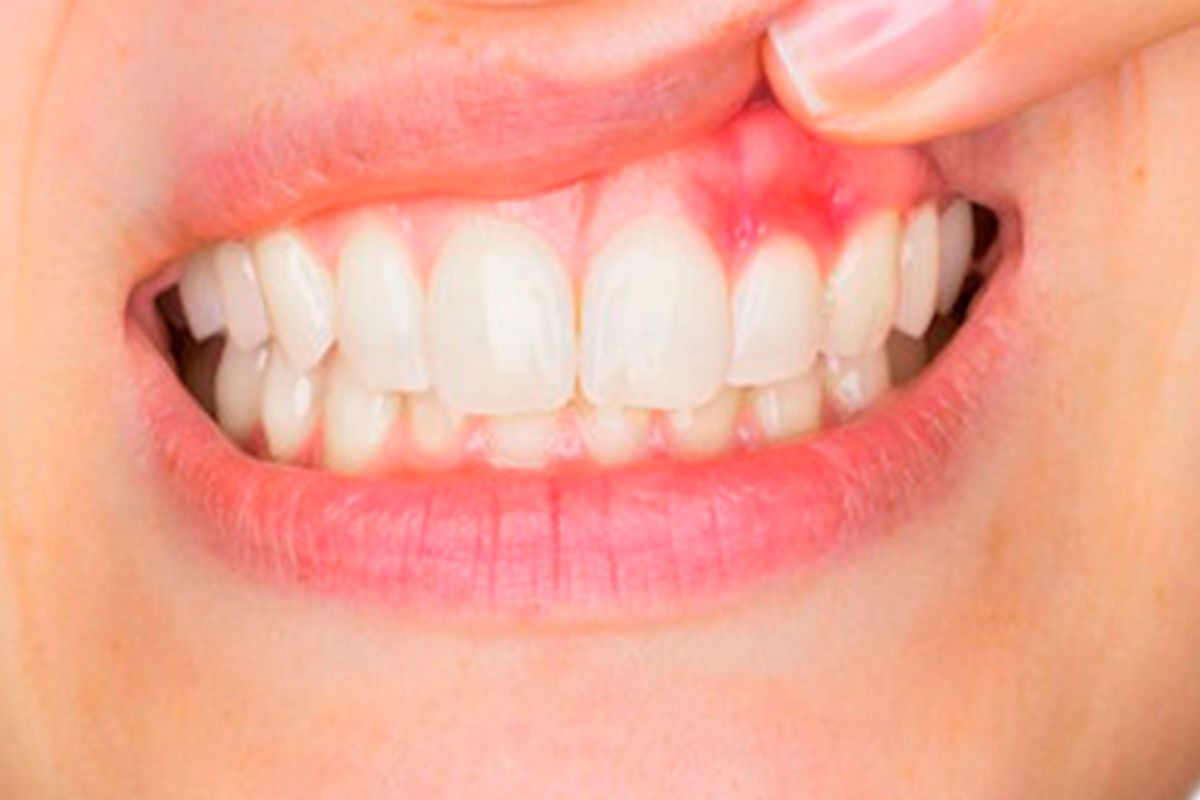
Gum disease, also known as periodontal disease, is one of the most common oral health conditions affecting adults. While it often begins with mild symptoms, untreated gum disease can eventually lead to serious dental complications, including tooth loss and bone damage.
The good news is that gum disease is highly treatable, especially when detected early. Understanding how the condition progresses can help you take the right steps to protect your smile and overall oral health.
The Early Stage of Gum Disease Starts With Gingivitis
Gingivitis is the first and mildest stage of gum disease. It develops when plaque and bacteria build up around the gumline, causing irritation and inflammation. At this stage, the condition is still reversible with proper dental care and improved oral hygiene habits.
Common signs of gingivitis include:
- Red or swollen gums
- Bleeding while brushing or flossing
- Persistent bad breath
- Gum tenderness or sensitivity
Many people assume poor brushing habits are the only cause of gingivitis, but several other factors may increase the risk. Smoking, diabetes, hormonal changes, stress, and poorly fitted dental restorations can all contribute to gum inflammation. Patients undergoing braces treatment may also struggle to clean around brackets and wires properly, which can allow plaque to accumulate more easily.
Gum disease treatment during this stage typically involves professional dental cleanings combined with better at-home oral hygiene. Brushing twice daily, flossing consistently, and scheduling routine dental visits can often restore gum health before permanent damage occurs.
When Gum Disease Becomes Periodontitis
If gingivitis is not treated, it can develop into periodontitis. At this stage, bacteria move below the gumline and begin damaging the tissues and bone that support the teeth.
As the body reacts to the infection, chronic inflammation develops. Over time, this inflammation can weaken the structures that hold teeth in place. Gum pockets may also form around the teeth, creating deeper spaces where bacteria continue to grow.
Common symptoms of periodontitis include:
- Gums pulling away from the teeth
- Increased tooth sensitivity
- Pain while chewing
- Loose teeth
- Chronic bad breath
Unlike gingivitis, periodontitis cannot be completely reversed. However, it can still be effectively managed with professional treatment and ongoing care.
One of the most common treatments for periodontitis is scaling and root planing, a deep-cleaning procedure that removes bacteria and tartar from beneath the gums while smoothing the tooth roots. Patients with periodontitis may also require more frequent periodontal maintenance appointments to keep the infection under control and prevent further damage.
Advanced Periodontitis Can Impact Your Entire Oral Health
Advanced periodontitis is the most severe stage of gum disease. By this point, the supporting bone around the teeth may be significantly weakened, causing teeth to shift, loosen, or even fall out.
The effects of advanced gum disease extend beyond the mouth. Research has linked severe periodontal disease to several health conditions, including heart disease, diabetes complications, and respiratory problems.
Signs of advanced periodontitis may include:
- Severe gum recession
- Pus between the gums and teeth
- Changes in bite alignment
- Difficulty chewing certain foods
- Noticeable tooth mobility
Treatment at this stage is often more complex. Some patients may require surgical periodontal procedures, bone grafting, or restorative treatments to rebuild and stabilize oral health.
Because advanced gum disease can cause permanent damage, early diagnosis and treatment remain essential.
Common Gum Disease Treatment Options
The right treatment depends on the severity of the condition and the amount of damage already present.
Professional Dental Cleanings
Routine cleanings help remove plaque and tartar before gum disease progresses into more serious stages.
Scaling and Root Planing
This deep-cleaning procedure removes bacteria from below the gumline and smooths root surfaces to help gums heal properly.
Advanced Periodontal Therapy
For severe cases, advanced procedures such as laser therapy, oral DNA testing, or modular periodontal treatment may be recommended to restore and maintain gum health.
Everyday Habits That Help Protect Your Gums
Prevention starts with maintaining a solid oral hygiene routine:
• Brush thoroughly twice a day
• Floss daily to remove plaque between teeth
• Replace your toothbrush regularly
• Limit sugary snacks and drinks
• Avoid tobacco products
• Schedule regular dental cleanings and exams
Why Early Treatment Matters
One of the biggest challenges with gum disease is that the early stages are often painless. Many patients do not realize they have a problem until the condition becomes more advanced.
Treating gum disease early can help:
- Preserve natural teeth
- Reduce future dental costs
- Improve oral comfort
- Protect gum tissue and bone structure
- Support overall health and wellness
Professional dental care combined with strong at-home habits can significantly slow or stop the progression of gum disease.
Take Control of Your Oral Health
Healthy gums are the foundation of a confident smile. If you have noticed bleeding gums, bad breath, gum tenderness, or changes in your teeth, now is the time to take action before the condition worsens.
At Syosset Dental, our team focuses on personalized care designed to help patients protect their gums and maintain long-term oral health. Visit our dental office in Syosset for a comprehensive evaluation and learn which treatment options are right for you.