



Life in Syosset has its own rhythm. You might start your day by grabbing coffee on the way to work, spend the afternoon running errands, and wind down at home with family. But when tooth pain shows up, even the simplest moments can feel disrupted. Eating becomes uncomfortable, conversations feel distracting, and you may find yourself constantly aware of that one problem tooth.
When discomfort refuses to go away, it often signals something deeper than a minor issue. In many cases, a root canal becomes the most effective way to relieve pain and save the tooth. What many people do not realize is that not all root canals are the same. The experience can vary depending on whether the affected tooth is in the front of your mouth or toward the back.
Understanding these differences can help you feel more prepared and confident as you take the next step toward relief.
A Closer Look at What Happens During a Root Canal
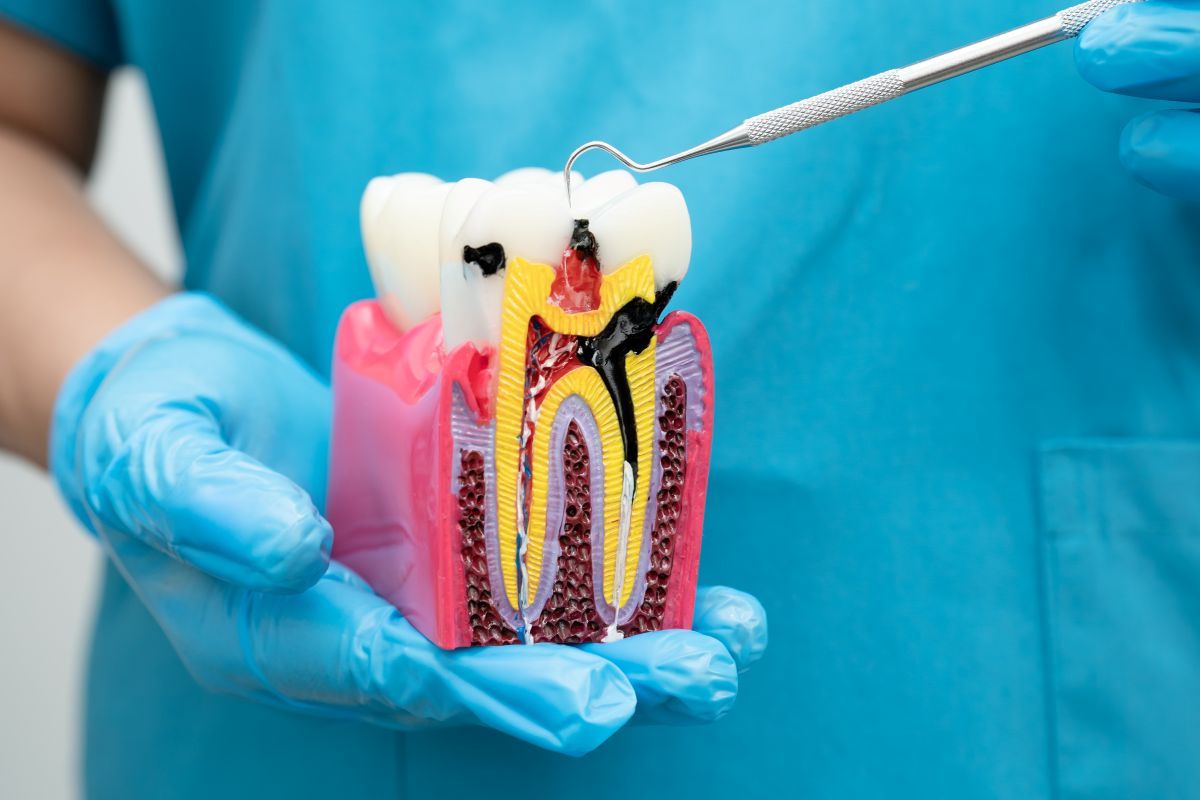
Inside every tooth is a soft layer called pulp. This area contains nerves and blood vessels that keep the tooth healthy during development. When bacteria reach this inner layer through decay, cracks, or injury, it can lead to inflammation and infection.
A root canal procedure removes the damaged pulp, cleans the inside of the tooth, and seals it to prevent future problems. The goal is simple: eliminate pain while preserving your natural tooth structure.
Although the overall purpose remains the same, the process can feel quite different depending on the type of tooth being treated.
Why Tooth Type Matters More Than You Think
Not all teeth are built the same way. Their structure reflects the role they play in your daily life. Some are designed for cutting food, while others handle grinding and chewing.
- Front teeth (incisors and canines): These teeth are located at the front of your mouth and are primarily used for biting and cutting food. They typically have a single root and one root canal.
- Molars (and premolars): Found at the back of your mouth, these teeth are designed for grinding and chewing. They usually have multiple roots and two to four canals, depending on the tooth.
This anatomical difference directly affects how a root canal is performed, how long it takes, and what recovery looks like afterward.
Treating Front Teeth: What Sets It Apart
When a front tooth requires care, the procedure is typically more straightforward. The simpler structure allows for easier access and faster treatment.
Dentists can typically locate and clean the single canal without much difficulty. Because of this, appointments are often shorter, and the process feels more predictable from start to finish.
Patients also tend to notice less soreness afterward. Since front teeth are not exposed to the same level of pressure as back teeth, they usually recover more comfortably.
Appearance plays a major role here as well. Since these teeth are visible when you smile or speak, restoring their natural look becomes a priority. In some cases, a filling is enough. In others, a crown or cosmetic enhancement helps maintain a consistent appearance.
Treating Molars: A More Detailed Process
Molars present a different challenge altogether. These teeth are larger and built to handle significant chewing force. As a result, their internal structure is more complex.
Instead of a single canal, molars often contain multiple pathways that may curve or branch out. Locating and cleaning each one requires precision and time. This is why molar treatments may take longer or involve more than one visit.
After the procedure, these teeth need extra protection. Because they put most of the pressure when you chew, they are more likely to crack if left unsupported. A crown is usually recommended to restore strength and function.
It is also common to feel a bit more sensitive during recovery. This does not mean something is wrong. It simply reflects the additional work required to treat a more complex tooth.
Signs You May Need a Root Canal
Whether it’s a front tooth or a molar, certain symptoms can indicate the need for treatment:
- Persistent tooth pain
- Sensitivity to hot or cold that lingers
- Swelling or tenderness in the gums
- Darkening of the tooth
- A small bump or pimple on the gums
If you notice any of these signs, it’s important to seek dental care promptly. Early treatment can prevent more serious complications.
Recovery: What Makes Each Experience Unique
Healing after treatment depends on both the type of tooth and your daily habits.
Front teeth generally require less adjustment since they are not heavily involved in chewing. You can return to normal activities quickly, as long as you avoid biting into hard foods right away.
Molars need more attention during recovery. Since they handle most of your chewing, it is best to avoid using that side of your mouth until the tooth is fully restored. Soft foods and careful chewing can help prevent unnecessary strain.
In both cases, maintaining good oral hygiene is essential. Brushing and flossing keep the area clean and support healing. Attending follow-up appointments ensures that your dentist can complete the restoration and monitor your progress.
Where Better Oral Health Begins
Understanding these differences helps you approach treatment with clarity instead of uncertainty. When you know what to expect, the process feels more manageable and far less intimidating. If tooth pain is interfering with your routine, it is time to address it before it becomes more serious. Early treatment can prevent further damage and quickly restore normal function.
At Syosset Dental, you’ll receive personalized care tailored to your needs in a comfortable, supportive environment. Visit our dental office in Syosset today and get the care you deserve.
FAQs About Root Canals for Front Teeth and Molars
1. Are molar root canals more uncomfortable than those on front teeth?
Molars can feel slightly more sensitive after treatment because they have multiple roots and are located further back in the mouth. That said, the procedure itself is kept comfortable with modern numbing techniques, so most patients do not notice a major difference during treatment.
2. What makes molar root canals take more time?
The main reason is structure. Molars often have several canals that need to be carefully cleaned and sealed. Front teeth usually have just one canal, which makes the process quicker and more straightforward.
3. How much time should I expect for the procedure?
Treating a front tooth may take less than an hour in many cases. Molars, on the other hand, can take longer due to their complexity and may sometimes require more than one appointment to complete properly.
4. Will I need a crown after my root canal?
It depends on the tooth. Front teeth can sometimes be restored with a filling if enough structure is intact. Molars usually need a crown because they handle strong chewing forces and require added protection.
5. Does healing feel different for front teeth compared to molars?
Healing is generally smooth for both, but molars may feel a bit more tender at first since they are used more during chewing. This discomfort is usually temporary and improves within a few days.
6. How can I tell if I might need a root canal?
Ongoing tooth pain, sensitivity that lingers after hot or cold foods, gum swelling, or discomfort while chewing are common warning signs. These symptoms should be evaluated by a dentist as soon as possible.
7. Can a tooth last long after a root canal?
Yes, a properly treated tooth can remain healthy for many years. With consistent oral hygiene and regular dental visits, it can continue to function just like your natural teeth.