



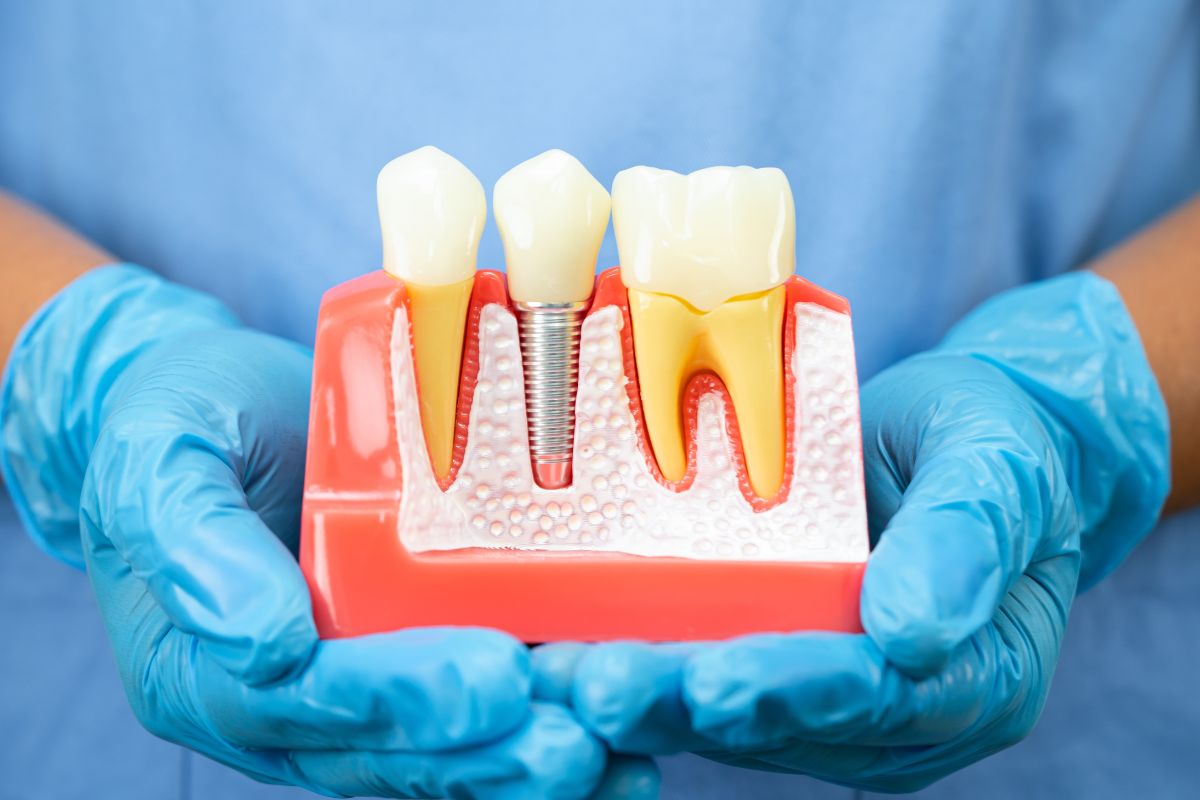
Living in Syosset means staying on top of a busy routine. Between work, family time, and daily responsibilities, most people do not think twice about their dental implants once they are placed. They are designed to feel natural and function like real teeth. But just like natural teeth, implants need proper care to stay healthy.
Sometimes, even with good habits, the tissue around an implant can become irritated. You might notice redness, slight swelling, or bleeding when brushing. These early signs are often linked to a condition called peri-implant mucositis. While it may sound concerning, the good news is that it is treatable and often reversible when caught early.
Understanding what peri-implant mucositis is and how to manage it can help protect your oral health and prevent more serious complications down the road.
What Is Peri-Implant Mucositis?
Peri-implant mucositis is an inflammatory condition that affects the soft gum tissue surrounding a dental implant. It is similar to gingivitis, which affects natural teeth. Inflammation occurs when bacteria accumulate around the implant, usually due to plaque buildup.
At this stage, the infection is limited to the gums and has not yet affected the bone supporting the implant. This is an important distinction because early treatment can prevent the condition from progressing.
Many patients do not realize they have it until symptoms become noticeable. That is why regular dental checkups and good oral hygiene are so important.
Common Signs You Should Not Ignore
Early changes around an implant can be easy to miss, especially when discomfort is mild. Paying attention to these signs helps patients seek care before bone support is affected. Common warning signs include:
- Red or swollen gums around the implant
- Bleeding during brushing or flossing, even with gentle pressure
- Persistent bad taste or unpleasant odor near the implant
- Pus or discharge along the gumline
- Loosening or movement of the implant (a sign of advanced issues)
If you notice any of these symptoms, it is important to schedule a dental evaluation promptly.
What Causes Peri-Implant Mucositis?
The primary cause of peri-implant mucositis is bacterial buildup around the implant. When plaque is not removed effectively, it can irritate the surrounding gum tissue. Understanding these causes can help you take proactive steps to prevent the condition.
Poor Oral Hygiene
Plaque can build up around implants just like it does on natural teeth. When brushing and flossing are not done consistently or correctly, bacteria stay along the gumline and begin to irritate the surrounding tissue. Over time, this buildup can lead to inflammation and may even affect the bone that supports the implant. Keeping up with daily oral hygiene is essential for maintaining healthy gums around implants.
Smoking and Overall Health
Smoking reduces blood flow to the gums and slows down the healing process, which increases the risk of implant complications. It can also mask early warning signs, allowing inflammation to progress without notice. In addition, uncontrolled health conditions such as diabetes can weaken the body’s ability to fight infection. Maintaining good overall health plays an important role in protecting the success of dental implants.
Previous Gum Disease
Patients with a history of gum disease may face a higher risk of developing inflammation around implants. Previous periodontal issues can make the surrounding tissues more vulnerable. While this does not mean implants will fail, it does highlight the importance of regular monitoring and professional care. Routine dental visits help detect early changes and protect the long-term stability of the implant.
Why Early Treatment Matters
Ignoring peri-implant mucositis can lead to a more serious condition known as peri-implantitis. This advanced stage involves not only the gums but also the bone supporting the implant.
Once bone loss begins, treatment becomes more complex and may involve surgical procedures. In severe cases, the implant may fail.
The good news is that peri-implant mucositis is reversible. With timely care and improved oral hygiene, the gums can return to a healthy state. Early intervention plays a key role in preserving your implant and maintaining long-term oral health.
How Peri-Implant Mucositis Is Treated
Treatment depends on the extent of inflammation and whether the bone around the implant has been affected. The main goal is to control bacteria, reduce swelling, and protect the remaining bone support. In the early stages, the condition can often be managed with conservative care. More advanced cases may require a deeper level of treatment. A detailed evaluation of the implant area helps determine the right approach for each patient.
Non Surgical Therapy
Non-surgical treatment focuses on removing plaque and bacterial buildup from around the implant. This usually involves professional cleaning techniques, such as scaling and implant debridement, using instruments designed to safely clean the implant surface. By eliminating the source of irritation, the gum tissue can begin to heal, especially when bone loss is minimal. Regular follow-up visits help monitor progress and ensure the area continues to improve.
Surgical Intervention
If the condition has progressed and affected the bone, surgical treatment may be necessary. This approach allows the dentist to access the implant and surrounding structures more directly, making it easier to remove infected tissue and thoroughly clean the area. In certain situations, bone grafting may be recommended to rebuild lost support and improve long-term stability. Each surgical plan is carefully tailored based on the patient’s oral health and implant condition.
Adjunctive Therapies
Additional therapies may be used to support the healing process alongside primary treatment. These can include antimicrobial rinses or localized antibiotics applied around the implant when needed. While these options help reduce bacteria, they work best when combined with proper cleaning and professional care. Your dentist will decide if these supportive treatments are necessary based on your specific condition.
The Role of Dental Implant Care in Prevention
Dental implants can last for many years, but their longevity depends on proper maintenance. Preventing peri-implant mucositis starts with consistent daily care and routine dental visits.
- Brush twice daily using a soft-bristle toothbrush
- Floss regularly or use interdental cleaning tools
- Attend routine dental checkups and cleanings
- Avoid tobacco products
- Maintain a balanced, healthy diet
Prevention is always easier than treatment, and small habits can make a big difference over time.
When to See a Dental Professional
It is easy to assume that minor gum irritation will go away on its own. However, when it comes to implants, it is better to be cautious. If you notice persistent redness, bleeding, or discomfort around your implant, do not wait. Early evaluation can prevent more serious complications.
Regular dental visits are also important, even if you are not experiencing symptoms. Professional cleanings and exams help keep your implants in excellent condition. Being proactive about your oral health gives you the best chance of long-term success.
Protect Your Dental Health with the Right Implant Care
Peri-implant mucositis may sound complex, but it is a manageable condition when addressed early. It starts with mild gum inflammation and can often be reversed with proper care and professional treatment. By staying aware of the signs, maintaining good oral hygiene, and keeping up with dental visits, you can protect your implant and avoid complications.
If you have concerns about your implant or want to ensure everything is on track, the experienced team at Syosset Dental is here to help. Book an appointment at our Syosset office today.
FAQs About Peri-Implant Mucositis and Treatment
1. What is the difference between peri-implant mucositis and peri-implantitis?
Peri-implant mucositis affects only the gum tissue around the implant and is reversible. Peri-implantitis is more advanced and involves bone loss around the implant. Early treatment can prevent progression from one stage to the other.
2. Can peri-implant mucositis go away on its own?
It is unlikely to resolve without proper care. Professional cleaning and improved oral hygiene are usually needed to remove bacteria and allow the gums to heal effectively.
3. How long does it take to treat peri-implant mucositis?
Treatment time varies depending on the severity and how quickly it is addressed. Many patients see improvement within a few weeks when they follow their dentist’s recommendations closely.
4. Is peri-implant mucositis painful?
It is usually not very painful in the early stages. Most people notice mild discomfort, swelling, or bleeding rather than sharp pain. This is why it can go unnoticed for some time.
5. How can I prevent peri-implant mucositis?
Good oral hygiene is the best prevention. Brush and clean around your implant daily, attend regular dental checkups, and follow any care instructions given by your dentist.
6. When should I see a dentist about implant concerns?
You should schedule a visit if you notice bleeding, swelling, or changes around your implant. Even minor symptoms are worth checking to prevent more serious issues later.