



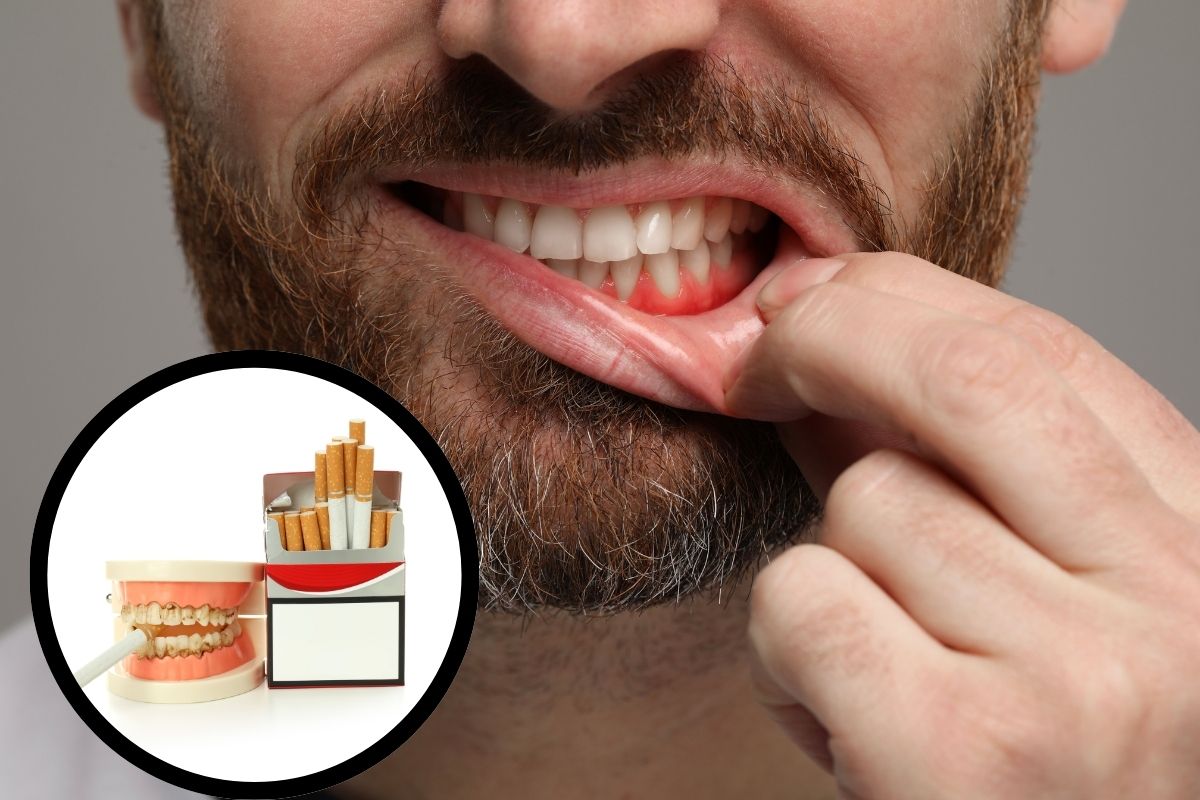
Most people know smoking stains teeth and causes bad breath. Fewer people realize how deeply it affects the gums. If you smoke, your risk for gum disease rises sharply, and the damage often starts before you notice any symptoms.
Gum disease does not happen overnight. It develops quietly. Smoking fuels that process at every stage, from early inflammation to advanced infection that threatens your teeth and bone. Understanding the connection can help you protect your smile and your overall health.
Smoking, Gum Inflammation, and Periodontal Treatment
Gum disease begins with plaque. When plaque builds up along the gumline, bacteria irritate the tissues. Your gums respond with redness, swelling, and bleeding. That early stage is called gingivitis.
Smoking changes how your body reacts to this infection. Nicotine reduces blood flow to your gums. When blood flow drops, oxygen and nutrients struggle to reach the tissue. Your immune system also slows down. As a result, bacteria gain the upper hand.
Smokers often notice less bleeding, which sounds like a good thing. It is not. Reduced bleeding can hide early warning signs. The infection may progress without obvious symptoms, making timely Periodontal Treatment even more important. When we treat smokers, we often see deeper pockets between the teeth and gums and more bone loss compared to nonsmokers.
Severe gum disease can also affect how your teeth fit together. In complex cases, shifting teeth and bone changes may lead some patients to explore options such as jaw alignment surgery to restore both function and appearance. That is why addressing gum disease early is critical. It protects more than your gums. It protects your entire bite.
How Smoking Weakens Your Gums
Smoking harms your oral health in several direct ways:
• It reduces blood circulation to the gums.
• It slows healing after dental procedures.
• It interferes with your immune response.
• It increases plaque and tartar buildup.
• It makes it harder to fight off infection.
These factors create the perfect environment for periodontal disease to thrive. Over time, gum tissue pulls away from the teeth. Pockets form. Bacteria move deeper below the surface. If untreated, the infection attacks the bone that supports your teeth.
Tooth loss becomes a real possibility at this stage. In fact, smoking is one of the leading risk factors for adult tooth loss in the United States.
Why Smokers Often Miss the Warning Signs
One of the most dangerous aspects of smoking and gum disease is how subtle the symptoms can be.
Healthy gums bleed when inflamed. Smokers may not see this sign because nicotine constricts blood vessels. You might think your gums look fine, even as an infection spreads beneath them.
Other symptoms may include:
• Persistent bad breath
• Receding gums
• Loose teeth
• Pain when chewing
• Changes in how your teeth fit together
If you smoke, regular dental checkups become even more important. Professional exams and cleanings help detect issues before they progress to advanced periodontal disease.
The Impact on Dental Treatments
Smoking does not just increase your risk of gum disease. It also affects how well treatments work.
For example, after deep cleanings or surgical procedures, your gums need healthy blood flow to heal properly. Smoking slows that healing process. It increases the risk of complications and reduces the success rate of certain restorative treatments.
If you are considering dental implants or other advanced procedures, gum health plays a huge role in the outcome. Active gum disease can compromise the stability of implants and other restorations.
The good news is that quitting smoking can improve your response to treatment. The body begins to recover quickly once you stop exposing it to tobacco toxins.
Can Gum Damage Be Reversed?
In the earliest stage, gingivitis can be reversed with professional cleaning and consistent home care. Once gum disease progresses to periodontitis, we cannot fully reverse the damage. However, we can control the infection and prevent further bone loss.
Effective treatment may include:
• Deep scaling and root planing
• Antibacterial therapies
• Ongoing maintenance visits
• Lifestyle changes, including smoking cessation
Quitting smoking significantly improves your long term outlook. Your gums respond better to care, and your risk of tooth loss drops.
Protecting Your Gums If You Smoke
If quitting feels overwhelming, start with small steps. Your dental team can support you without judgment.
Here are practical ways to reduce your risk:
• Brush twice a day with a soft-bristle toothbrush.
• Floss daily to remove plaque between teeth.
• Use an antimicrobial mouth rinse if recommended.
• Schedule dental cleanings at least twice a year.
• Talk openly about your smoking habits so your provider can tailor your care.
Even reducing the number of cigarettes you smoke can make a difference. But quitting altogether offers the greatest benefit for your gums and overall health.
Your Smile Deserves Better Care
Your gums work hard every day to support your teeth. Smoking makes that job much harder. If you have noticed changes in your gums or you simply want a professional opinion, now is the time to act.
At Syosset Dental, we focus on practical, personalized care that protects your long-term oral health. Whether you need preventive support or advanced periodontal treatment, our expert team is here to guide you. Visit our Syosset office today and take the first step toward healthier gums and a stronger smile.
FAQs About the Link Between Smoking and Gum Disease
1. Does vaping cause gum disease, too?
Vaping exposes your gums to nicotine and other chemicals that can restrict blood flow and irritate tissues. While research continues, early findings suggest vaping can still increase your risk of gum problems.
2. If I quit smoking, will my gums go back to normal?
Quitting improves blood flow and healing. Early gum inflammation may resolve with proper care. Advanced bone loss cannot fully regenerate, but stopping smoking helps prevent further damage.
3. How often should smokers get dental cleanings?
Many smokers benefit from cleanings every three to four months instead of twice a year. Your dentist will recommend a schedule based on your gum health.
4. Are smokers more likely to lose teeth?
Yes. Smoking significantly increases the risk of advanced periodontal disease, which is a leading cause of tooth loss in adults.
5. Why do my gums not bleed even though I smoke?
Nicotine restricts blood vessels. This reduced blood flow can mask bleeding, even when an infection is present.
6. Is gum disease linked to other health problems?
Yes. Gum disease has connections to heart disease, diabetes, and other systemic conditions. Smoking adds another layer of risk to these health concerns.
7. Can periodontal treatment still work if I continue smoking?
Treatment can still control infection, but results often improve when patients quit smoking. Healing tends to be slower in active smokers.