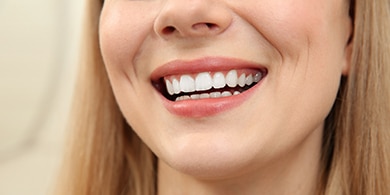




If you have ever looked in the mirror and wished your smile looked brighter or more even, veneers may have crossed your mind. They remain one of the most popular cosmetic dental treatments in New York. Still, many patients ask the same question during consultations. Should I choose porcelain veneers or composite veneers?
Both options improve the appearance of teeth. Both chips, stains, gaps, and minor misalignment are correct. The difference comes down to material, durability, and long-term goals.
Before choosing veneers, it is important to understand that cosmetic treatments enhance appearance, not structural jaw concerns. For example, someone who needs jaw alignment surgery to correct bite issues would require a completely different treatment plan. Veneers focus on the visible surface of teeth and create aesthetic improvements rather than correcting major functional imbalances.
Let us break down what makes porcelain and composite veneers unique.
What Are Porcelain Veneers?
Porcelain veneers consist of thin ceramic shells that a dental lab custom designs to fit over the front of your teeth. Your dentist removes a small amount of enamel to make room for them. Once bonded, they look and feel like natural teeth.
Porcelain reflects light in a way that closely mimics real enamel. That makes them a strong choice for patients seeking a natural, long-lasting result.
Benefits of Porcelain Veneers
• Highly stain resistant
• Extremely durable
• Natural-looking translucency
• Long lifespan, often ten to fifteen years or more
Porcelain veneers require at least two visits. Because they involve enamel removal, they represent a long-term commitment.
What Are Composite Veneers?
Composite veneers use tooth colored resin that your dentist sculpts directly onto the tooth surface. The material bonds to the enamel and hardens under a special curing light. In many cases, the dentist completes the entire procedure in one visit.
Composite veneers require less enamel removal than porcelain. They offer a more conservative option for patients who want noticeable improvement without extensive preparation.
Benefits of Composite Veneers
• Lower upfront cost compared to porcelain
• Completed in a single appointment in many cases
• Easier to repair if chipped
• More conservative treatment
Composite veneers typically last five to seven years with proper care. While they look attractive, they do not resist stains as effectively as porcelain.
Comparing Appearance and Longevity
Both types of veneers enhance your smile. Porcelain generally offers a more lifelike shine and resists discoloration better over time. Composite resin can still look beautiful, but it may require occasional polishing or maintenance.
When it comes to strength, porcelain tends to hold up longer under daily wear. Composite material remains durable but may chip or wear down more quickly, especially in patients who grind their teeth.
Which Option Fits Your Lifestyle?
The right choice depends on your goals and habits.
Choose porcelain veneers if you:
• Want a long-lasting solution
• Prefer maximum stain resistance
• Do not mind multiple appointments
Choose composite veneers if you:
• Want faster results
• Prefer a lower initial investment
• Need minor cosmetic changes
A thorough dental evaluation helps determine the best fit for your smile.
Caring for Veneers
No matter which type you choose, maintenance matters. Brush twice daily, floss regularly, and schedule routine dental visits. Avoid biting hard objects, such as ice or pens. Good habits extend the life of your veneers and protect your natural teeth underneath.
Ready to Elevate Your Smile in Syosset?
A confident smile changes how you show up in the world. If you are considering veneers, the expert dental team at Syosset Dental can walk you through every option with clarity and care.
Visit our dental office in Syosset and discover which veneer solution fits your goals and lifestyle. Schedule your consultation today and take the first step toward a brighter, more confident smile.
FAQs About Porcelain Veneers vs Composite Veneers
Are porcelain veneers stronger than composite veneers?
Yes, porcelain veneers are generally stronger and more resistant to wear. They handle daily biting and chewing forces better over time. Composite veneers are durable but may chip or wear down sooner than other veneers.
Do veneers damage natural teeth?
Your dentist removes a small amount of enamel for porcelain veneers, which makes the procedure permanent. Composite veneers require minimal preparation. Both options preserve the majority of your natural tooth structure.
Can veneers fix crooked teeth?
Veneers can improve the appearance of mild misalignment. They do not replace orthodontic treatment for significant bite problems. Your dentist will evaluate whether cosmetic or orthodontic care suits your needs.
How long do veneers last?
Porcelain veneers often last ten to fifteen years or longer with proper care. Composite veneers usually last five to seven years. Longevity depends on oral hygiene and lifestyle habits.
Do porcelain veneers look more natural than composite?
Porcelain reflects light in a way that closely matches natural enamel. This often gives it a more lifelike appearance. Composite veneers can still look great, but they may not have the same depth and translucency.
Are veneers a good option for stained teeth?
Yes, veneers work well for deep stains that do not respond to whitening. Porcelain veneers are especially resistant to future staining and maintain brightness longer.