


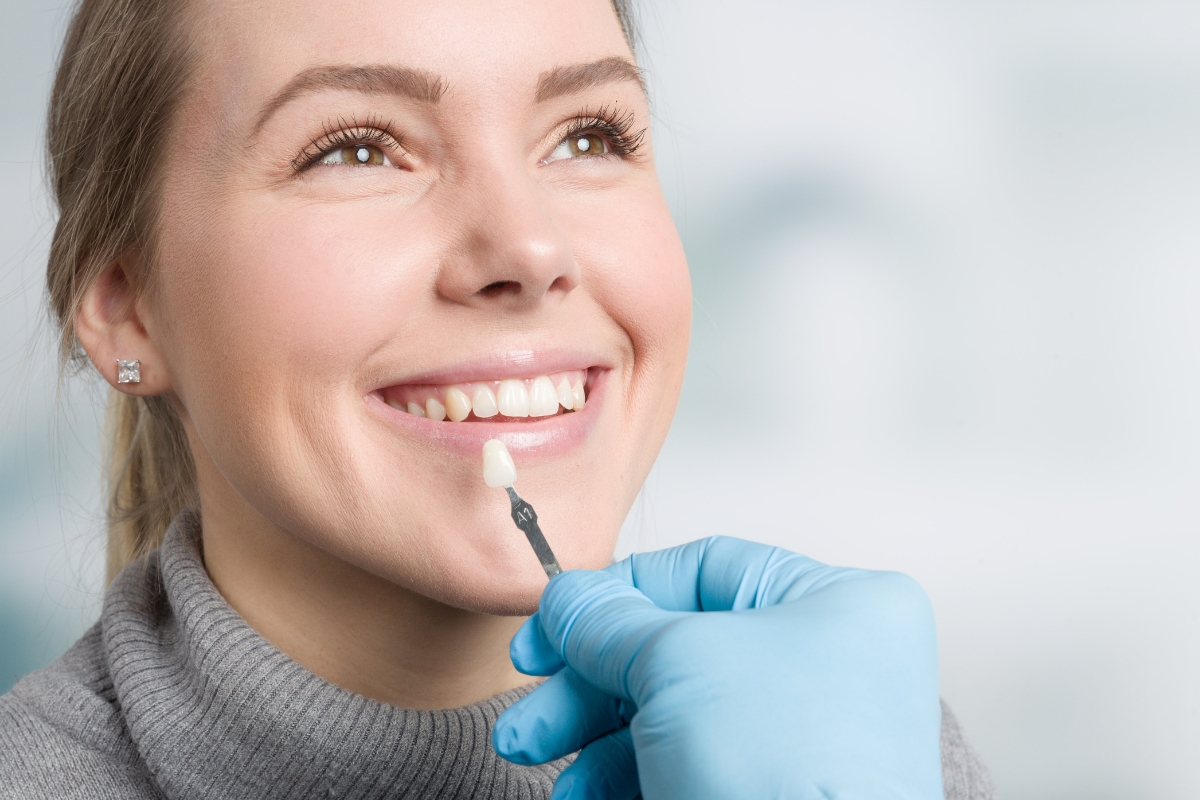
Cosmetic veneers have become one of the most popular solutions for achieving a flawless smile. These thin shells, typically made from porcelain or composite materials, are custom-designed to cover imperfections such as discoloration, chips, or minor misalignments. While veneers are durable and highly aesthetic, proper maintenance is essential to keep them beautiful and functional for many years.
Proper care not only preserves the appearance of your veneers but also supports overall oral health. Neglecting routine hygiene or exposing veneers to harmful habits can lead to staining, chipping, or even the need for replacement sooner than expected.
Understanding Cosmetic Veneers
Cosmetic veneers are bonded to the front surface of teeth to improve their appearance. Porcelain veneers are known for their natural look and stain resistance, while composite veneers offer a more affordable and easily repairable option. Most veneers can last 10–15 years or more with proper care.
Nowadays, many patients turn to cosmetic veneer treatment to transform their smiles. An experienced cosmetic dentist can guide you in selecting the correct type of veneer based on your dental health, cosmetic goals, and lifestyle.
Daily Oral Hygiene Habits
Maintaining excellent daily oral hygiene is critical for the longevity of veneers. Brush at least twice a day with a soft-bristled toothbrush and a non-abrasive toothpaste to prevent scratches. Floss gently around your veneers to remove plaque and prevent gum disease. Using alcohol-free mouthwash can help reduce bacteria while protecting the bonding material. By consistently following these habits, you protect both your natural teeth and your veneers.
Foods and Habits to Avoid
Certain foods and habits can damage or stain veneers. Avoid biting into hard foods like ice, nuts, or candy, and refrain from using your teeth as tools to open packages. Highly pigmented foods and drinks—such as coffee, tea, red wine, and berries—can gradually discolor veneers. Additionally, habits such as nail-biting or pen chewing should be avoided to prevent chipping or weakening of the veneer material.
Regular Dental Visits and Professional Care
Routine dental checkups are essential for long-lasting veneers. Professional cleanings help remove tartar and plaque that at-home brushing may miss. During these visits, your dentist will inspect the veneers for any signs of damage or wear and ensure your gums remain healthy. Early detection of minor issues allows for quick repairs, extending the life of your veneers and maintaining your smile’s appearance.
Lifestyle Tips for Long-Lasting Veneers
Maintaining veneers also involves lifestyle choices that support oral health. Wearing a mouthguard during sports can prevent accidental trauma. Limiting sugary snacks and acidic foods helps protect both veneers and natural teeth. Staying hydrated and maintaining a balanced diet contributes to gum and enamel health, indirectly supporting the longevity of your veneers.
Achieve a Long-Lasting Flawless Smile in Syosset, NY
By following proper care routines and avoiding damaging habits, you can enjoy the beauty and function of your veneers for many years. To ensure your veneers and overall oral health are appropriately maintained, schedule an appointment with Syosset Dental today and benefit from expert guidance tailored to your smile.
FAQs About Maintaining Cosmetic Veneers
1. How long do cosmetic veneers last?
With proper care, veneers can last 10–15 years or longer.
2. Can veneers stain like natural teeth?
Porcelain veneers are stain-resistant, but composite veneers can discolor over time.
3. Is special toothpaste required for veneers?
Yes, non-abrasive toothpaste helps prevent scratches and damage.
4. Can I whiten my veneers?
No, veneers do not respond to whitening treatments like natural teeth.
5. What should I do if a veneer chips?
Contact your dentist immediately for assessment and repair.
6. How often should I visit the dentist with veneers?
Routine checkups every six months are recommended for optimal care.
7. Can veneers be replaced if damaged?
Yes, your dentist can replace veneers to restore your smile.